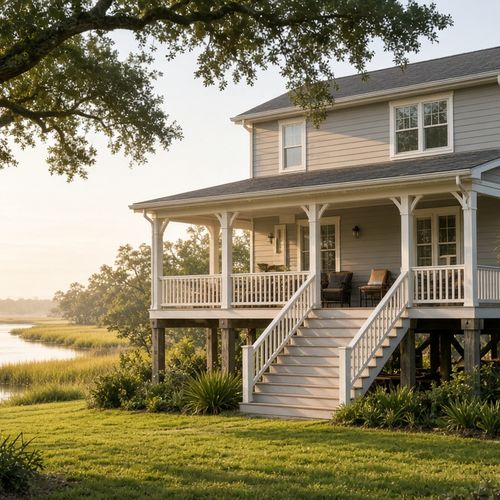



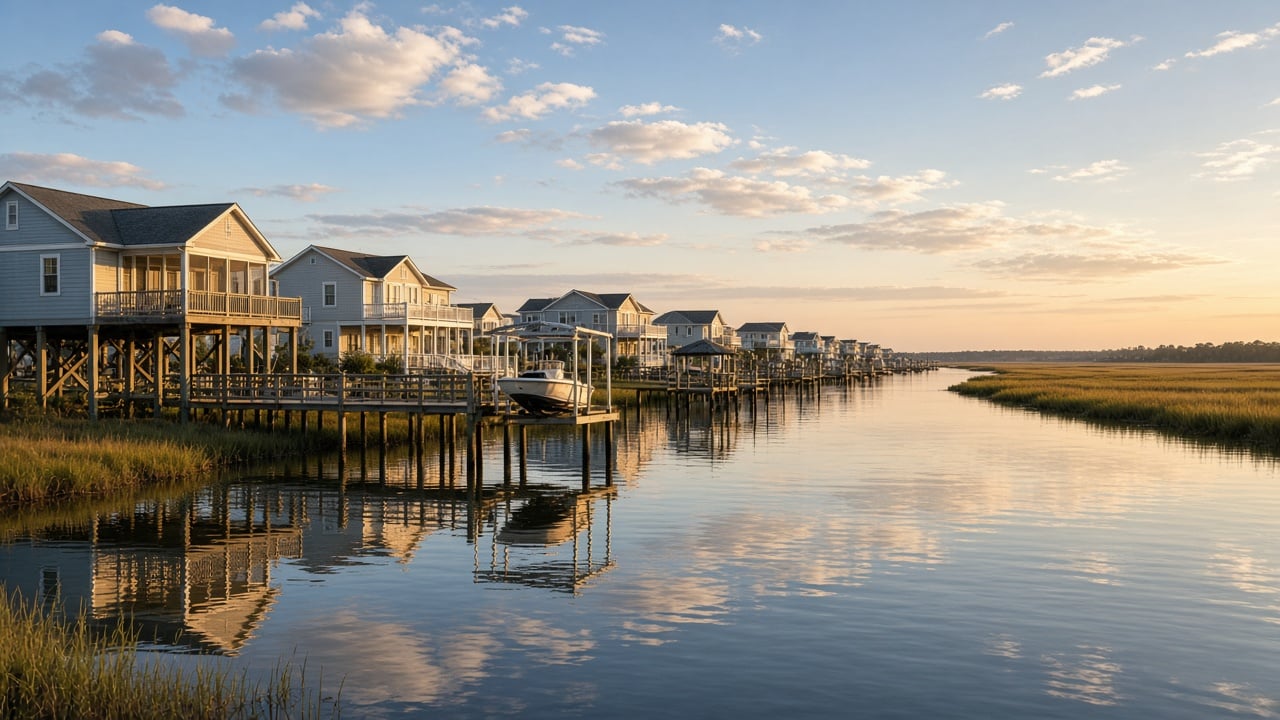
Ocean Isle Beach has a way of turning a long weekend into a long-term plan. The island sits at the southern end of Brunswick County, between Holden Beach and Sunset Beach, and it’s known for a quieter, family-focused feel, wide beaches, and a network of canals that gives many homes water on two sides. If you’re thinking about buying a second home here, whether it’s purely for your family, a part-time rental, or a future retirement spot, here’s what we walk our clients through before they make an offer.
Decide How You’ll Use the Home First
The single most important question isn’t which street you like best. It’s how you plan to use the property. A home you’ll keep for family weekends is a very different purchase from one you’ll rent most of the summer, and that choice shapes everything else: the size of home that makes sense, which part of the island fits, how you’ll finance it, and what you’ll owe in taxes and fees.
Personal use only
If the home is just for you, you can focus on the things that matter to your family: walkability to the beach, a quieter street, a dock on the canal, or a short drive to the mainland for groceries and dining in Shallotte and along U.S. 17.
Part-time or full-time rental
If you plan to rent, think like a guest. Bedroom count, parking, a pool, and easy beach access tend to drive bookings. You’ll also take on extra responsibilities with the town, which we cover below.
Know the Island’s Main Areas
Ocean Isle Beach is compact, but different stretches of the island offer a different experience:
- Oceanfront: Direct beach views and access, with the most exposure to wind, erosion, and storm surge. Insurance and maintenance costs usually reflect that.
- Canal homes: Many sit on dredged canals off the Intracoastal Waterway, with room for a boat lift or dock. Ask about canal depth, dredging history, and any assessments tied to canal maintenance.
- Second-row and interior streets: Often a more approachable price point, a short walk to public beach accesses, and a little more protection from the ocean.
- The mainland side: Neighborhoods just over the causeway can offer more space, newer construction, and a short drive to the strand, which some second-home buyers prefer.
Shoreline and Erosion: Do Your Homework
Beachfront and near-inlet properties deserve extra diligence. The Town of Ocean Isle Beach has posted an East End Erosion Update explaining that monitoring required by its state and federal permits found erosion just east of the terminal groin had passed one of the plan’s trigger points. The town says it’s working with its engineers, the NC Division of Coastal Management, and the U.S. Army Corps of Engineers on options such as adding sand or adjusting the groin, and that no final decision had been made.
That doesn’t mean you should avoid the east end. It means you should understand it. Before buying near the inlet or on the oceanfront, we recommend reading the town’s updates, asking the seller about past storm damage and sandbag or erosion-control history, and reviewing North Carolina’s coastal setback and inlet hazard rules with your agent and attorney.
Flood Zones and Insurance
Nearly every home on the island sits in a FEMA flood zone, and many lenders will require flood insurance. Before you write an offer:
- Look up the property’s flood zone on the FEMA Flood Map Service Center.
- Ask the seller for an elevation certificate, which can make a real difference in flood insurance pricing.
- Get quotes for both wind and flood coverage early. Coastal homeowners insurance in North Carolina often involves more than one policy, and costs can vary widely from house to house.
- Note how the home is built: elevation, pilings, roof age, and storm shutters all matter to insurers and future buyers.
Renting It Out: Town and State Basics
If you plan to rent, even occasionally, a few rules apply:
- Accommodations account: The town asks owners to set up an accommodations account at Town Hall before renting. Owners who rent privately are responsible for paying the town’s accommodation tax, and the town’s tax report form lists a 6% rate. State and county sales taxes may also apply, so talk with a tax professional or property manager about the full picture.
- Trash carts for larger rentals: According to the town’s water and sewer application, rental homes may need additional carts based on bedroom count.
- North Carolina’s Vacation Rental Act: State law sets rules for vacation rental agreements, deposits, and tenant rights. Many second-home owners hire a local property manager to handle bookings, cleaning, taxes, and compliance.
- HOA or POA rules: Some communities on and near the island have their own restrictions on rentals, parking, or exterior changes. Read the covenants before you commit.
Financing a Second Home
Lenders generally treat a second home differently from an investment property, and the difference affects your down payment, interest rate, and how rental income is counted. If you’ll mostly use the home yourself, a second-home loan may fit. If it will be rented most of the year, it may be classified as an investment property. Have that conversation with a lender before you start touring so your offer is strong when the right home comes along.
Plan for Ongoing Costs
Beyond the mortgage, budget for property taxes, insurance, utilities, routine maintenance on a home exposed to salt air, possible dock or bulkhead upkeep on canal lots, and property management fees if you rent. Salt, sun, and humidity are hard on HVAC systems, decks, and exterior finishes, so a thorough home inspection matters here more than almost anywhere.
Frequently Asked Questions
Can I rent my Ocean Isle Beach home myself instead of using a property manager?
Yes, many owners do. If you rent privately, the town asks you to set up an accommodations account and pay its accommodation tax, and you’re responsible for following North Carolina’s Vacation Rental Act.
Is flood insurance required?
If the home is in a high-risk flood zone and you have a federally backed mortgage, your lender will typically require it. Even when it isn’t required, it’s worth serious consideration on a barrier island.
Is the east end of the island a bad place to buy?
Not necessarily. It’s an area where you should read the town’s erosion updates, understand the shoreline management plan, and weigh the views and access against the added risk.
When is the best time to shop for a second home here?
Fall and winter are often a good time to tour, since sellers who rent their homes have more flexibility for showings once the summer rental season winds down.
Thinking About Your Own Place at the Beach?
Buying a second home on Ocean Isle Beach is a big decision, and local knowledge makes it easier. We can help you compare streets, read the flood and shoreline picture, and connect you with lenders, inspectors, and property managers who know the island. When you’re ready, talk with Aspyre Collective about buying on Ocean Isle Beach.