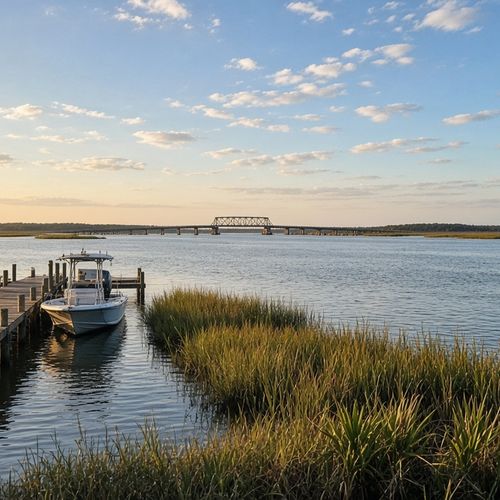



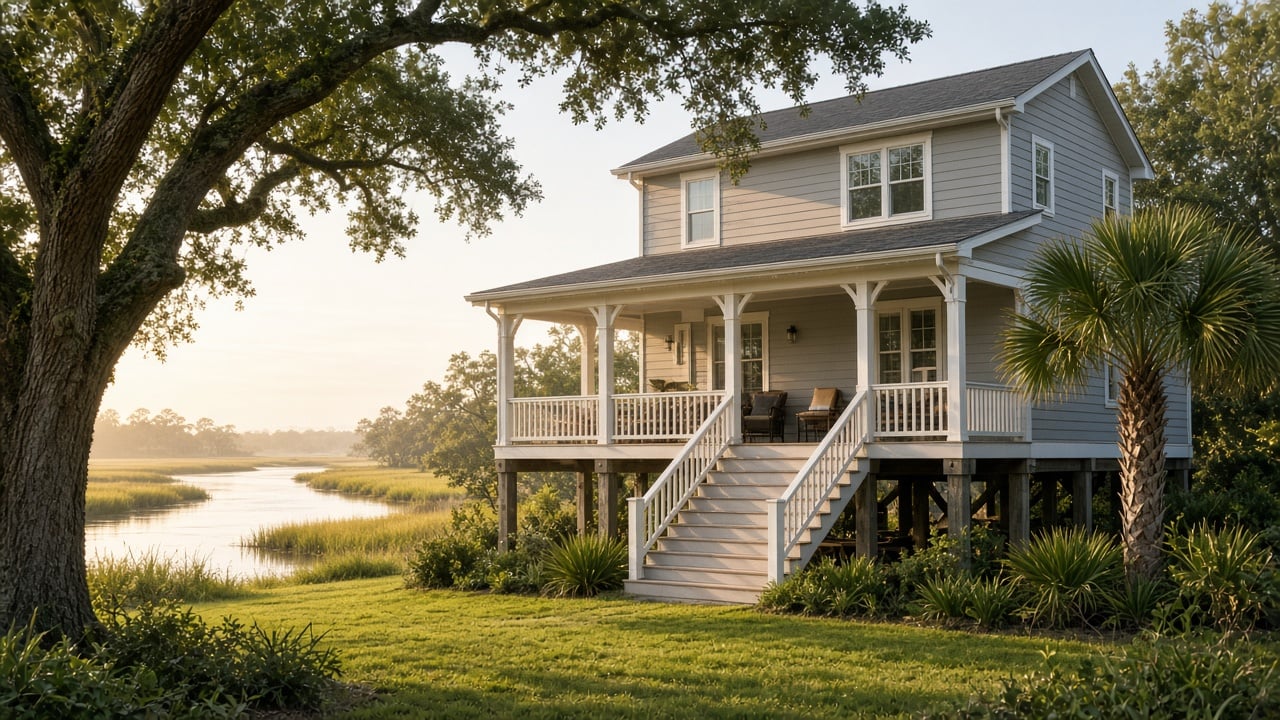
If you’re getting ready to sell a home anywhere in New Hanover County, from a ranch in Ogden to a raised beach house in Carolina Beach, there’s one page of paperwork that deserves your attention early: the flooding section of North Carolina’s seller disclosure form. In a county shaped by the Cape Fear River, the Intracoastal Waterway, tidal creeks, and the ocean, buyers read that section closely. Getting it right up front protects you and keeps your deal moving.
The Form Every North Carolina Seller Fills Out
Most home sellers in North Carolina must give buyers the Residential Property and Owners’ Association Disclosure Statement, a standard form published by the North Carolina Real Estate Commission (form REC 4.22). State law, in Chapter 47E of the General Statutes, requires it for most residential sales, and it should be in the buyer’s hands no later than when they make an offer. There are some exceptions, such as certain new construction and some transfers between family members, so check with your agent about your situation.
For each question, you can answer Yes, No, or No Representation. That last option is allowed, but it isn’t a shortcut. A buyer who sees “No Representation” next to a flood question in a coastal county is likely to ask more questions, dig deeper during due diligence, or factor uncertainty into their offer.
The Flood Questions, in Plain English
Section F of the current form covers environmental issues and flooding. The flood-related questions ask whether:
- The property is in a federal or other designated flood hazard zone.
- It has had damage from flooding, water seepage, or pooled water caused by a natural event such as heavy rain, storm surge, tidal flooding, or river overflow.
- You’ve ever filed a flood damage claim with any insurer, including the National Flood Insurance Program.
- There’s a current flood insurance policy on the property.
- You’ve received flood assistance from FEMA, the U.S. Small Business Administration, or another federal disaster program.
- There’s a flood or FEMA elevation certificate for the property.
The form also includes two notes worth knowing. An existing flood insurance policy may be assignable to a buyer, sometimes at a lower premium than a brand-new policy. And if a property received federal disaster assistance for flood damage, the requirement to carry flood insurance passes to future owners.
How to Gather Your Answers Before You List
Look up your flood zone
Start with the official maps. The FEMA Flood Map Service Center and North Carolina’s Flood Risk Information System both let you search by address. If you’re near a zone line, which is common along Hewletts Creek, Bradley Creek, Smith Creek, and the sound side of the beach towns, your agent can help you read the map accurately.
Find your elevation certificate
An elevation certificate shows how high your home sits compared to expected flood levels. Many coastal homes, especially those built or substantially improved in a flood zone, already have one. Check your closing paperwork from when you bought, ask your insurance agent, and contact the planning or floodplain office for your town or for New Hanover County if the home is in an unincorporated area. If you don’t have one and your home is in a flood zone, hiring a licensed surveyor to prepare one before listing can give buyers and their insurance agents real numbers to work with.
Pull your insurance and claims history
Ask your insurance agent for a copy of your current flood policy’s declarations page and any claim history. Even water that pooled in a crawl space during a big storm can count as “damage due to flooding, water seepage, or pooled water” on this form.
Gather records of repairs and upgrades
If you’ve regraded the yard, added flood vents, raised mechanical equipment, installed a sump pump, or had a crawl space encapsulated, find the receipts and permits. These are the kind of details that turn a “Yes” on a flood question into a reassuring story about a well-maintained home.
Why Honest Answers Help You Sell
It’s natural to worry that disclosing a past flood claim will scare buyers off. In practice, surprises during due diligence do much more damage. Buyers in our market typically get flood insurance quotes and inspections before their due diligence period ends. If they find something you didn’t mention, the deal can fall apart or get renegotiated at the last minute.
It’s also worth knowing that the rules for real estate agents are stricter than the rules for sellers. The Real Estate Commission’s guidance on material facts says that whether a property is in a flood zone is always a material fact that a broker must make reasonable efforts to discover and disclose, no matter how the seller answers the form. If something changes after you hand over the form, such as a storm causing new water damage while you’re under contract, the form itself says you need to give the buyer an updated statement or correct the problem.
Turning Flood Records Into a Selling Point
A tidy folder with your flood zone printout, elevation certificate, flood policy declarations page (with a note on whether it can be assigned), and mitigation receipts can set your listing apart.
Buyers relocating to Wilmington from inland areas often have the most questions about flood risk. Giving them clear documents early helps them feel confident, and confident buyers tend to write cleaner offers.
Frequently Asked Questions
Can I just answer “No Representation” on the flood questions?
You’re allowed to, but it rarely helps in a coastal market. Buyers will still check flood maps and get insurance quotes, and your agent still has to disclose material facts like flood zone status.
My home isn’t in a mapped flood zone. Do I still need to think about this?
Yes. The form asks about actual water damage and claims, not just the map. Heavy rain can cause flooding outside of mapped zones, so answer based on what has actually happened at the property.
Is an elevation certificate required to sell?
No, the form only asks whether one exists. But for homes in a flood zone, having one helps buyers get accurate insurance quotes faster.
Getting Ready to Sell in New Hanover County?
Whether you’re in Ogden, Monkey Junction, Masonboro, Midtown, or one of the beach towns, we can help you pull together your flood records, price your home with today’s buyers in mind, and walk you through the disclosure form before you list. Reach out to Aspyre Collective to start planning your sale.