


Downtown Wilmington is one of the few places on the Carolina coast where you can live in a 19th-century house or a modern condo, walk to dinner along the Cape Fear River, and still be a short drive from the beach. For buyers who want character, walkability and a real sense of place, it is often at the top of the list. It also comes with trade-offs worth understanding before you start touring.
Here is our local guide to what living downtown is like, what kinds of homes you will find, and the practical questions every downtown buyer should ask.
What “Downtown” Means
Locals use “downtown” for the historic core along the river plus the surrounding residential blocks. Front Street, Water Street and the riverfront form the commercial heart, while blocks to the south and east hold many of the city’s oldest homes. To the north, newer development stretches toward the convention center and Riverfront Park, where the Live Oak Bank Pavilion hosts concerts.
The Riverwalk and Daily Life
The City of Wilmington describes the Riverwalk as stretching 1.75 miles along the Cape Fear River, from the foot of Nun Street to the Isabel Holmes Bridge. It connects parks, shops, restaurants and museums, offers views of the Battleship North Carolina, and links to the River to the Sea Bikeway and the East Coast Greenway. The city notes a multi-year project to replace the Riverwalk’s decking began in spring 2025.
Downtown’s dining scene has drawn national attention, which we covered in Wilmington Makes the Michelin Guide. Add in theaters, galleries, festivals and seasonal events like the Thanksgiving weekend tree lighting and parade, and there is usually something happening within walking distance.
Types of Homes Downtown
Historic single-family homes
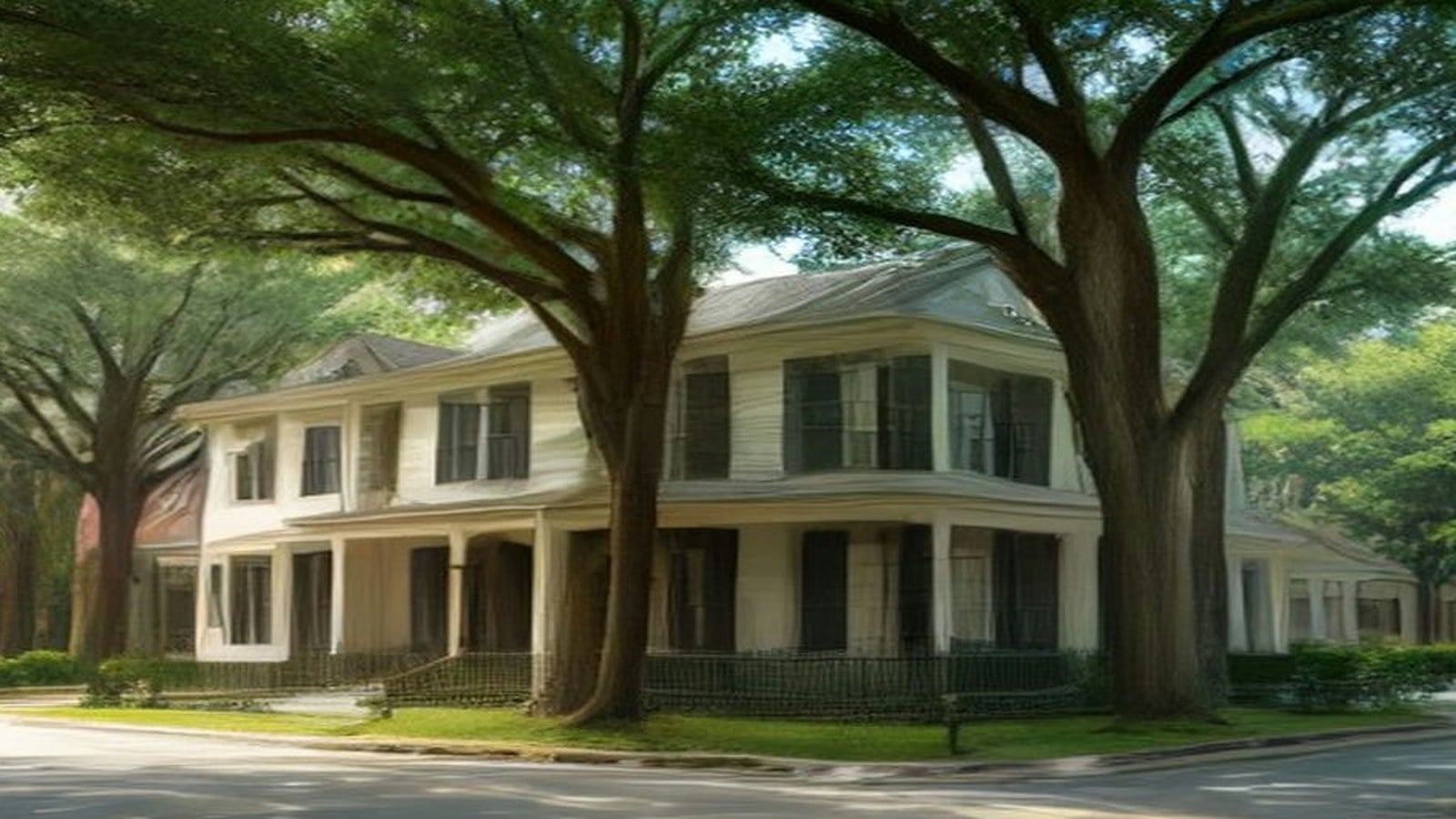
Many downtown blocks are lined with homes built in the 1800s and early 1900s, from grand mansions to modest cottages. They offer craftsmanship you cannot replicate, along with older systems and higher maintenance needs.
Condos and lofts
Converted warehouses, newer mid-rise buildings and riverfront condos appeal to buyers who want lock-and-leave convenience. Review HOA budgets, insurance and rental rules carefully. Our condo and townhome guide walks through what to ask.
Townhomes and infill
Newer townhomes on infill lots blend modern layouts with a downtown address, often with off-street parking, which is a valuable perk.
Historic District Rules
According to the city’s historic districts page, Wilmington has both local historic districts and National Register historic districts, and the two are separate. Local districts include the Residential Historic District, the Mixed-Use Historic District, the Theater Historic District and the Downtown Commercial Historic District Overlay. Exterior changes to a property in a local district may require a Certificate of Appropriateness. Properties only in a National Register district are not reviewed by the Historic Preservation Commission unless they also sit inside a local district, though they may qualify for state and federal tax credit programs administered by the State Historic Preservation Office.
Before you buy, confirm which district, if any, applies to the home and how that affects your renovation plans. Our guide to buying a home in Wilmington’s historic districts goes deeper.
Parking: Plan Ahead
Parking is one of the first practical questions downtown. The city’s parking page says it manages more than 2,600 on-street metered spots and 3,346 off-street public spaces downtown, including decks and surface lots, with monthly deck parking available. Selected streets in the historic downtown are part of a Residential Parking Permit Program for qualifying properties. If a home lacks off-street parking, check whether it is eligible for a permit and what monthly deck options are nearby.
Flood and Insurance Questions
Properties close to the river can be affected by high tides and heavy rain, and some sit in mapped flood zones. Ask for an elevation certificate when available, get insurance quotes early, and read our flood zones guide. Older homes may also need updated roofs, wiring or plumbing to satisfy insurers.
What Is Changing Downtown
The city’s long-range vision for the urban core is laid out in its Greater Downtown Plan, which we summarized in Wilmington’s Greater Downtown Plan. The planned Cape Fear Memorial Bridge replacement will also shape traffic on the south end of downtown over the coming years.
Who Downtown Fits Best
- Buyers who want to walk to restaurants, the river and events.
- Fans of historic architecture willing to take on extra upkeep.
- Downsizers trading a yard for convenience.
- Second-home owners who like a lock-and-leave condo near the action.
FAQ: Living in Downtown Wilmington
How long is the Riverwalk?
The city lists it at 1.75 miles, from Nun Street to the Isabel Holmes Bridge.
Do I need approval to renovate a historic home?
Exterior changes to homes in a local historic district may need a Certificate of Appropriateness. National Register listing alone does not trigger local review.
Is parking a problem?
It depends on the property. Off-street parking is a plus, and qualifying blocks can use the residential permit program.
Is downtown a good fit for families?
Many families love the walkability and parks. Check school assignments and yard space for your needs.
Ready to Explore Downtown?
From historic homes to riverfront condos, downtown Wilmington offers something you will not find anywhere else on the coast. Connect with Aspyre Collective to tour neighborhoods, compare properties and find the downtown home that fits your life.