



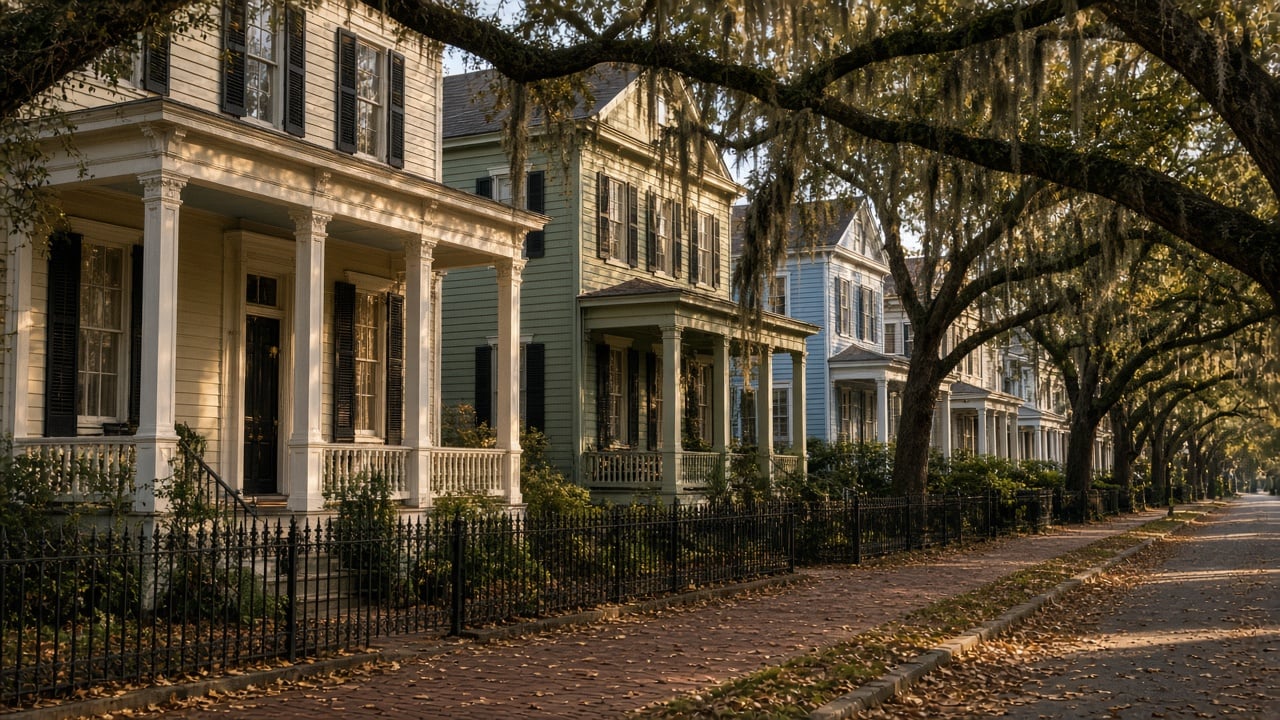
Few things say “Wilmington” quite like a wide front porch under a canopy of live oaks. The older neighborhoods in and around downtown are some of the most sought-after addresses in New Hanover County, and buyers fall for them for good reason: walkability, character, mature trees, and homes built with a level of craftsmanship you rarely see today. But buying a historic home here comes with a few rules and realities that a newer house in Ogden or Monkey Junction won’t. Here’s what we walk our Aspyre Collective clients through before they write an offer.
Two Kinds of “Historic District” in Wilmington
The single most important thing to understand is that Wilmington has two different types of historic districts, and they work very differently. As the City of Wilmington’s Historic Districts page explains, designation as a local historic district has no connection to listing in the National Register of Historic Places.
Local historic districts and overlays
These are created by City Council and carry real design review. According to the city, they include the Theater Historic District (HD), the Residential Historic District (HD-R), the Mixed-Use Historic District (HD-MU), the Downtown Commercial Historic District Overlay, and the Carolina Heights/Winoca Terrace Historic District Overlay. If a home sits in one of these, many exterior changes need a Certificate of Appropriateness (COA) before work begins. The quickest way to check a specific address is the city’s zoning districts map.
National Register historic districts
The city’s Historic District Design Standards list several National Register districts, including the downtown Wilmington Historic District, Carolina Place, Carolina Heights, Market Street Mansion, Masonboro Sound, Sunset Park, Westbrook-Ardmore, and Brookwood. National Register listing is largely honorary for homeowners. The city notes that properties in a National Register district aren’t subject to Historic Preservation Commission review unless they also fall within a local district. National Register status can, however, open the door to state tax credits (more on that below).
What a Certificate of Appropriateness Covers
If the home is in a local district or overlay, plan for design review on exterior projects. The city’s COA Major Works page lists the kinds of projects that go before the seven-member Historic Preservation Commission, including:
- New construction, additions, garages, and other accessory buildings
- New swimming pools
- Changing roofing materials or removing a chimney
- New windows and doors that aren’t identical replacements
- Painting brickwork
- Major landscaping, such as removing five or more trees
- Certain fences, including those on corner lots or over six feet tall
Smaller projects can often be approved by city staff through what the city calls an administrative bypass, which is faster. And routine maintenance and repair, like replacing a rotted porch board with the same material, design, and color, generally doesn’t need review at all. The city also warns that work done outside an approved COA can lead to a requirement to reverse it and civil penalties, so it’s not a step to skip.
What This Means for Buyers
Design review isn’t a reason to avoid a historic home. Many owners see it as protection, since it helps keep the street looking the way it did when they fell for it. It does change how you should plan, though:
- Build review time into renovation plans. If you’re hoping to add a primary suite, a pool, or a detached garage, assume a COA is part of the process and factor that into your timeline.
- Ask about past work. During due diligence, ask the seller whether exterior changes were approved. Unpermitted or unapproved work can become your problem after closing.
- Get specialized inspections. Older homes deserve a close look at the foundation and crawl space, wiring, plumbing, roof, and signs of termite or moisture damage. Your general inspector may recommend a structural engineer, electrician, or HVAC specialist.
- Call your insurance agent early. Roof age, wiring type, and replacement cost can all affect coverage and premiums on an older coastal home. Get a quote during your due diligence period, not the week before closing.
- Check the flood zone. Some older neighborhoods sit close to the Cape Fear River or creeks. Look the address up on FEMA’s flood maps and ask your lender whether flood insurance will be required.
State Tax Credits for Restoring a Historic Home
North Carolina offers a meaningful incentive for owners who rehabilitate a historic house they live in. According to the NC State Historic Preservation Office, homeowners may receive a 15% state tax credit for qualified rehabilitation of owner-occupied homes. The key requirements, per the HPO:
- The home must be listed in the National Register, individually or as a contributing building in a National Register district.
- Rehabilitation expenses must exceed $10,000 within a 24-month period.
- Eligible expenses are capped at $150,000, for a maximum credit of $22,500.
- All work must meet the Secretary of the Interior’s Standards for Rehabilitation, and the HPO reviews the work.
- Owners can claim the credit for one project every five years.
Tax credit programs are set by the legislature and can change, so confirm eligibility with the HPO and your tax advisor before you count on it. Ideally, apply before the work starts.
Selling a Historic Home? A Few Tips
If you own in one of these neighborhoods, documentation sells. Gather your COAs, permits, and records of major repairs such as roof, HVAC, wiring, and foundation work. A pre-listing inspection can also help you address issues on your own terms instead of in the middle of a negotiation.
FAQ
Do I need permission to paint my house in a Wilmington historic district?
It depends on the district and the project. The city’s design standards say routine maintenance with the same color and material generally doesn’t need review, while changing colors or materials may. Painting brickwork is listed as major work. Check with the city’s historic preservation staff before you start.
Is every older home downtown in a local historic district?
No. Some homes are only in a National Register district, which doesn’t add Historic Preservation Commission review on its own. The city’s zoning map will show whether a property is in a local district or overlay.
Can I add solar panels or a pool to a historic home?
Often, yes, but in a local district these kinds of exterior changes typically need a COA. Location and visibility from the street matter, so talk with city staff early.
Thinking About a Historic Wilmington Home?
Whether you’re dreaming of a porch in Carolina Heights or a restored cottage near downtown, the right guidance up front can save you time, money, and surprises. Talk with the Aspyre Collective team about historic neighborhoods, what to look for, and how to plan your next move.