


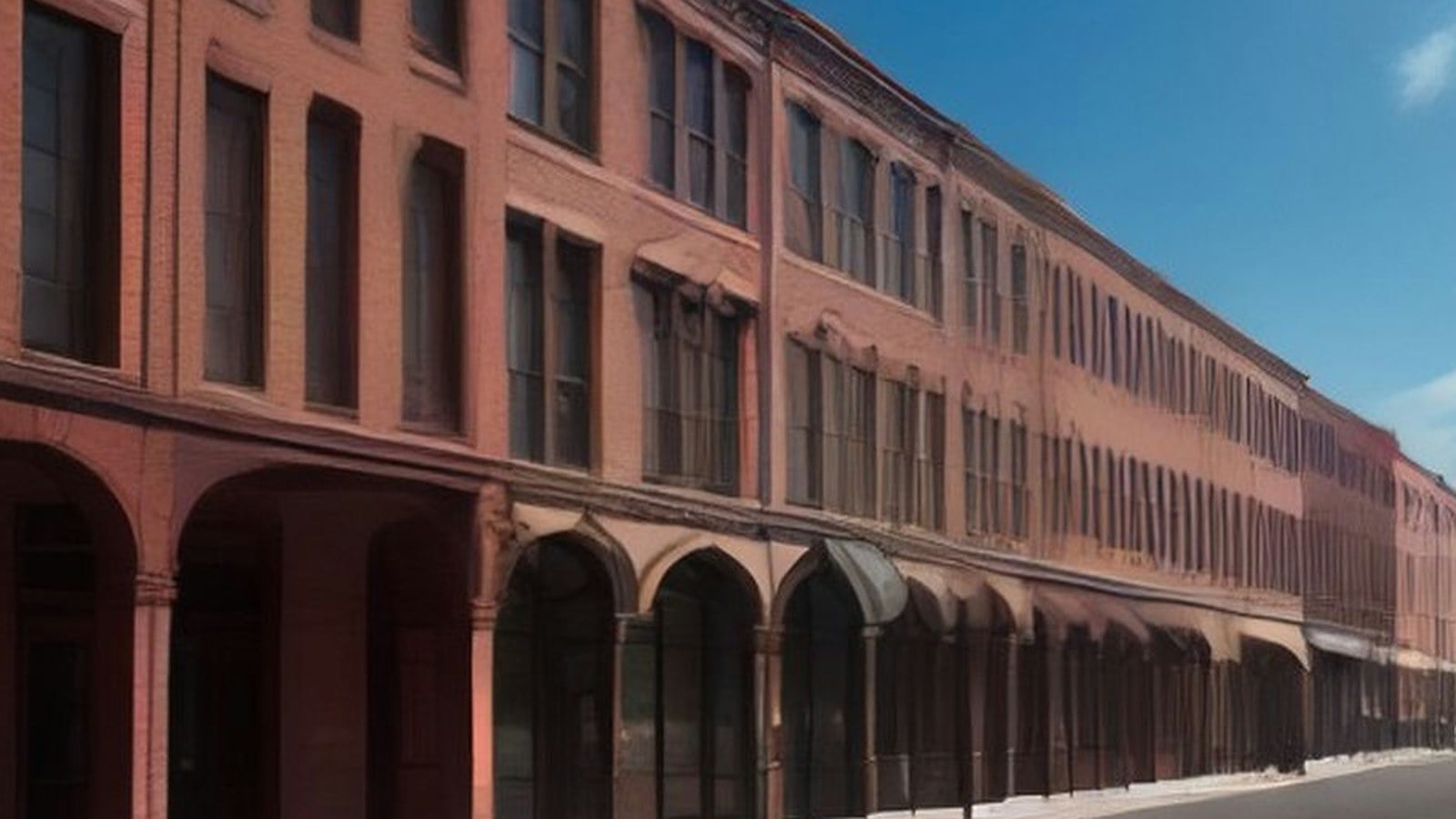
Downtown Wilmington’s brick streets and historic storefronts have always been part of the city’s identity. They are also, increasingly, a serious commercial real estate market. A Nov. 11, 2026 WilmingtonBiz report by Cierra Noffke looks at how much investment has poured into the central business district, what longtime business owners worry about, and how the city’s new Greater Downtown Plan fits in. Here’s a summary, and what it means if you own, rent or are thinking about buying in or near downtown.
The Numbers Behind Downtown’s Growth
Christina Haley, CEO and president of Wilmington Downtown Inc. (WDI), told WilmingtonBiz that the central business district’s taxable value was a little over $395 million in 2014 and is $1.18 billion for the 2025 tax year, based on real estate values alone. That is roughly three times the value of a decade earlier.
Demand for space is strong, too. WilmingtonBiz noted that WDI estimated downtown retail occupancy at about 98% in May 2025. Developer James Goodnight, who has restored several historic commercial buildings downtown and in the Castle Street district, said the market has become more competitive. “There’s demand for good space down here, but it’s hard to find,” he said, adding that there are fewer legacy landlords than a decade ago.
Recent projects mentioned in the report include renovations at 1 S. Front St., home to Seabird; 21 S. Front St.; and 23 N. Front St., the future home of Floodplain Books, an independent bookstore co-owned by Wiley and Mallory Cash.
Old Buildings, Ongoing Upkeep
Chris Yermal, president of Old School Rebuilder & Co., a contractor that specializes in existing buildings, has worked on many downtown landmarks, including the Trust Building, Cape Fear Apartments, Bespoke and Finkelstein’s. He told WilmingtonBiz that renovations “don’t come cheap” and that even restored historic buildings need ongoing maintenance. One of his biggest concerns is aging facades. “There are currently a lot of buildings around town that have facades that are troubled, like rusting lintels that support everything above,” he said.
Growth vs. Character
Not everyone sees downtown’s momentum the same way. Joe Apkarian, owner of The Eagle’s Dare, The Pour House and TacoBaby, warned that big-money development could change downtown’s personality, comparing the risk to King Street in Charleston. He also acknowledged that development “has vastly improved Wilmington’s storefronts,” calling it “a double-edged sword.”
Haley said large investors with access to capital will play a prominent role in the large-scale and infill projects downtown needs to grow.
Where the Greater Downtown Plan Fits
The Wilmington City Council adopted the Greater Downtown Plan on June 16, creating a framework for growth across the 18 neighborhoods within the 1945 city boundary. WilmingtonBiz reports the plan organizes its recommendations around four themes: local character, economy, small business and mobility. Travis Henley, the city’s community planning and design manager, said the plan recognizes that existing local businesses need opportunities “to remain, grow and succeed.”
Henley also noted the limits of city policy: “The city does not control commercial or residential rental rates.” We covered the plan itself in our earlier post on Wilmington’s Greater Downtown Plan.
What It Means for Downtown Homeowners and Buyers
For homeowners
A busy, well-occupied commercial core supports the walkable lifestyle many downtown residents moved here for: restaurants, shops and culture within a few blocks. Renovation activity also tends to improve streetscapes over time. At the same time, construction, events and nightlife are part of the package, so it helps to stay engaged with city planning updates.
For buyers
- Look closely at older buildings. If you’re buying a historic home or a condo in a converted building, ask about the condition of facades, lintels, roofs and structural elements, and about any planned assessments.
- Understand historic district rules. Exterior changes may require review. Our guide to buying a home in Wilmington’s historic districts explains the basics.
- Walk the blocks at different times. Downtown feels different at 8 a.m. on a Tuesday than at 11 p.m. on a Saturday.
For more on daily life downtown, see our downtown Wilmington neighborhood guide.
Downtown Wilmington Growth FAQ
How much has downtown’s taxable value grown?
WDI’s Christina Haley said the central business district went from a little over $395 million in 2014 to $1.18 billion for the 2025 tax year.
What is the Greater Downtown Plan?
A city framework adopted June 16 for growth across the 18 neighborhoods within Wilmington’s 1945 boundary, built around local character, economy, small business and mobility.
Does the city control downtown rents?
No. The city’s planning manager told WilmingtonBiz the city does not control commercial or residential rental rates.
Thinking About Downtown Living?
From historic homes to condos a short walk from the riverfront, our team can help you weigh the details that matter downtown. Reach out to Aspyre Collective to start the conversation.