



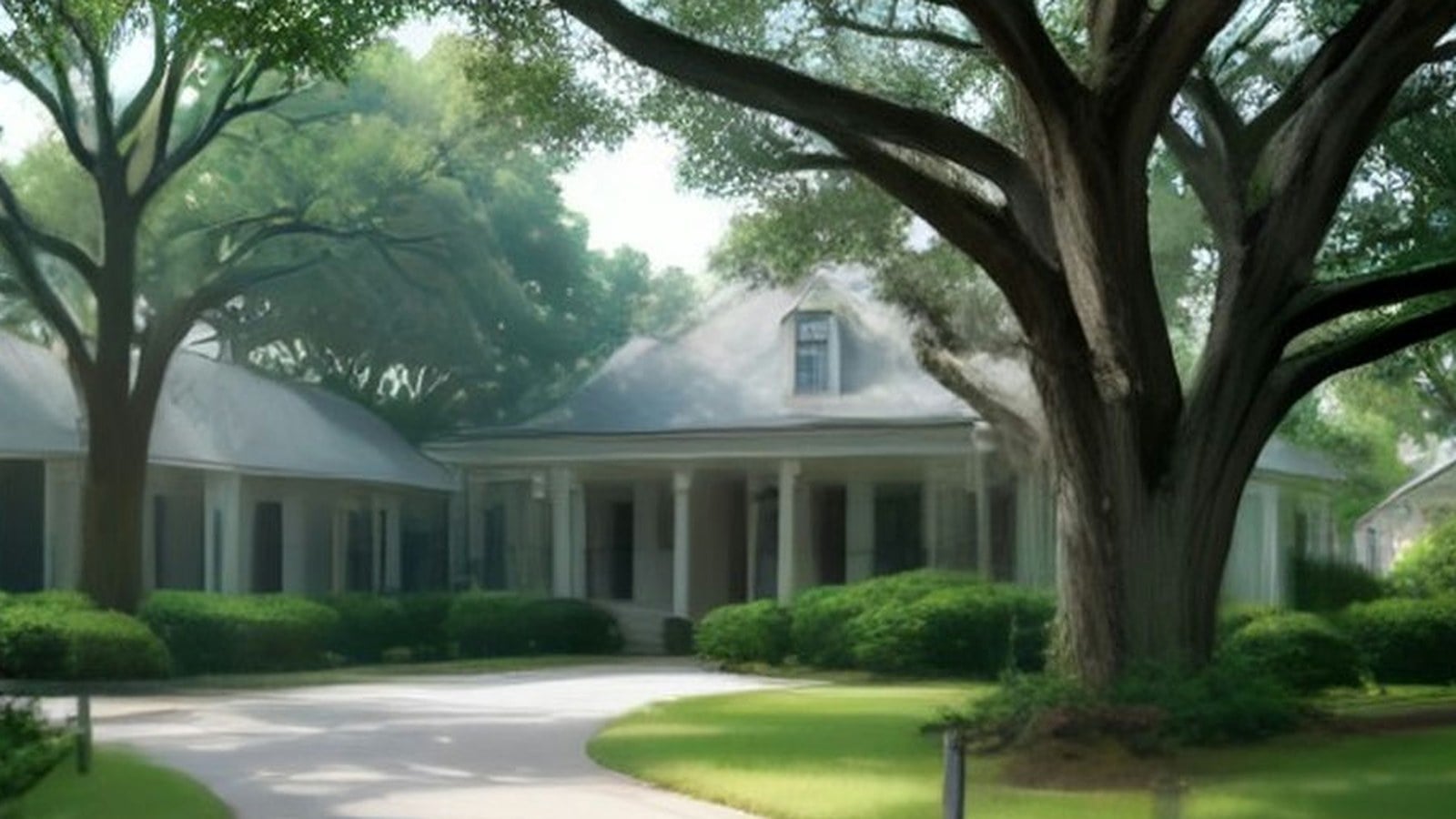
Southport’s historic core is among the most sought-after places to buy in Brunswick County, with deep porches, live oaks and the Cape Fear River at the end of the street. The rules around those older homes changed in 2026, though, and many buyers haven’t caught up. Here’s what to know before you make an offer in or near the Southport Historic District.
What the Southport Historic District Is
The Southport Historic District was added to the National Register of Historic Places on November 25, 1980. Its boundaries run roughly along the Cape Fear River and Rhett, Bay, Short and Brown streets, covering about 112 acres. The National Register listing counts 161 contributing buildings. More than half of the structures date from 1885 to 1905, and the district has been called the best example of a Victorian coastal town in North Carolina. Landmarks inside it include the Fort Johnston Officers Quarters, the Brunswick Inn and the former Brunswick County Court House.
Buyers need to understand one point clearly: a National Register listing is not the same as local historic zoning. The North Carolina State Historic Preservation Office (HPO) describes National Register listing as “primarily an honor.” According to the HPO, listing does not obligate or restrict a private owner in any way unless the owner seeks a federal benefit such as a grant or tax credit.
What Changed in 2026
For several years, Southport’s Historic Preservation Commission worked toward a local historic district overlay. On June 2, 2026, the Board of Aldermen held a public hearing on an overlay that WECT reported would have covered 386 parcels. Inside that area, owners would have needed a Certificate of Appropriateness before changing their buildings or sites.
The overlay was never adopted. On July 2, 2026, the General Assembly ratified Senate Bill 876, a local-laws bill. Part XIII of the bill abolished the Southport Historic Preservation Commission. It also bars the city from creating a new commission, creating any new historic district or overlay, or expanding an existing one. In August, the Board of Aldermen repealed the commission ordinance on its consent agenda to comply with the new law, as reported by The State Port Pilot. An alderman had suggested an advisory “appearance commission” without quasi-judicial power, but the August meeting didn’t take it up.
Supporters of the commission said design guidelines would protect Southport’s character from incompatible development. Opponents said the draft rules acted like a homeowners association and could make some historic homes harder to sell or finance. Whatever your view, buyers today are not shopping inside a locally regulated historic district with commission design review.
What That Means for a Buyer
- No commission sign-off for exterior changes. With no local historic overlay in place, work like a new porch rail or replacement windows won’t go to a preservation commission. Regular city zoning, building permits and flood rules still apply, so confirm your plans with the City of Southport before closing.
- Less protection from neighbors’ changes, too. The HPO notes that historic district zoning can protect owners from inappropriate changes by other owners. Without it, the street around your house could change more freely over time.
- Private restrictions may still exist. Some lots carry deed restrictions or covenants. Your attorney’s title search is where those show up.
Tax Credits Can Still Help With Rehab
National Register status still matters financially. The HPO says homeowners may receive a 15% North Carolina tax credit for qualified rehabilitation of an owner-occupied home that is individually listed or contributes to a National Register historic district. Key terms, per the HPO:
- Rehabilitation spending must exceed $10,000 within a 24-month period.
- Eligible expenses are capped at $150,000, for a maximum credit of $22,500.
- All work must meet the Secretary of the Interior’s Standards for Rehabilitation, and the HPO reviews it through a two-part application.
- Acquisition cost, new additions, site work and personal property don’t qualify.
If you plan a major renovation, check whether the house is a contributing building, and talk to the HPO before any work begins. Income-producing properties may qualify for separate federal and state credits, so investors should consult a tax advisor. The HPO itself recommends one.
Inspection and Insurance Checks for Older Homes
A house built more than a century ago calls for a careful inspection. Ask your inspector to look closely at the foundation and piers, signs of moisture or wood-destroying insects, older wiring and plumbing, and the roof. Our Cape Fear coast home inspection guide covers what a typical inspection includes and when to bring in a specialist.
Many blocks of historic Southport sit close to the river, so check the flood zone and get insurance quotes early. Our flood zone guide for buyers explains how to read flood maps. Older coastal homes can be costly to insure, so get a quote during your due diligence period.
Is Historic Southport Right for You?
Buyers who choose the old part of town usually want walkability: the waterfront, shops, restaurants and festivals all close by. For a broader look at the city, see our Southport relocation guide. To compare with a city that still has active local historic district rules, read our guide to buying a historic home in Wilmington.
FAQ: Buying in Southport’s Historic District
Do I need approval to change the exterior of a historic Southport home?
Not from a historic preservation commission. State law abolished that commission in 2026, and a local overlay was never adopted. You still need city zoning compliance and building permits for most work.
Does National Register listing limit what I can do?
According to the NC HPO, no. Listing doesn’t restrict a private owner unless the owner seeks a federal benefit such as a grant or tax credit.
Can Southport create a new historic district later?
Under Senate Bill 876, the city may not create a new historic district or overlay or expand an existing one, unless state law changes again.
Is there a tax break for restoring an old home?
Possibly. Owner-occupied homes that are listed or contributing to a National Register district may qualify for a 15% state credit on qualified rehab costs above $10,000, capped at a $22,500 credit.
Find Your Place in Historic Southport
An older Southport home can be a great purchase, but it pays to know the rules, the house and the flood picture before you sign. Contact Aspyre Collective to tour homes in and around the Southport Historic District and to plan your due diligence with a local team.