



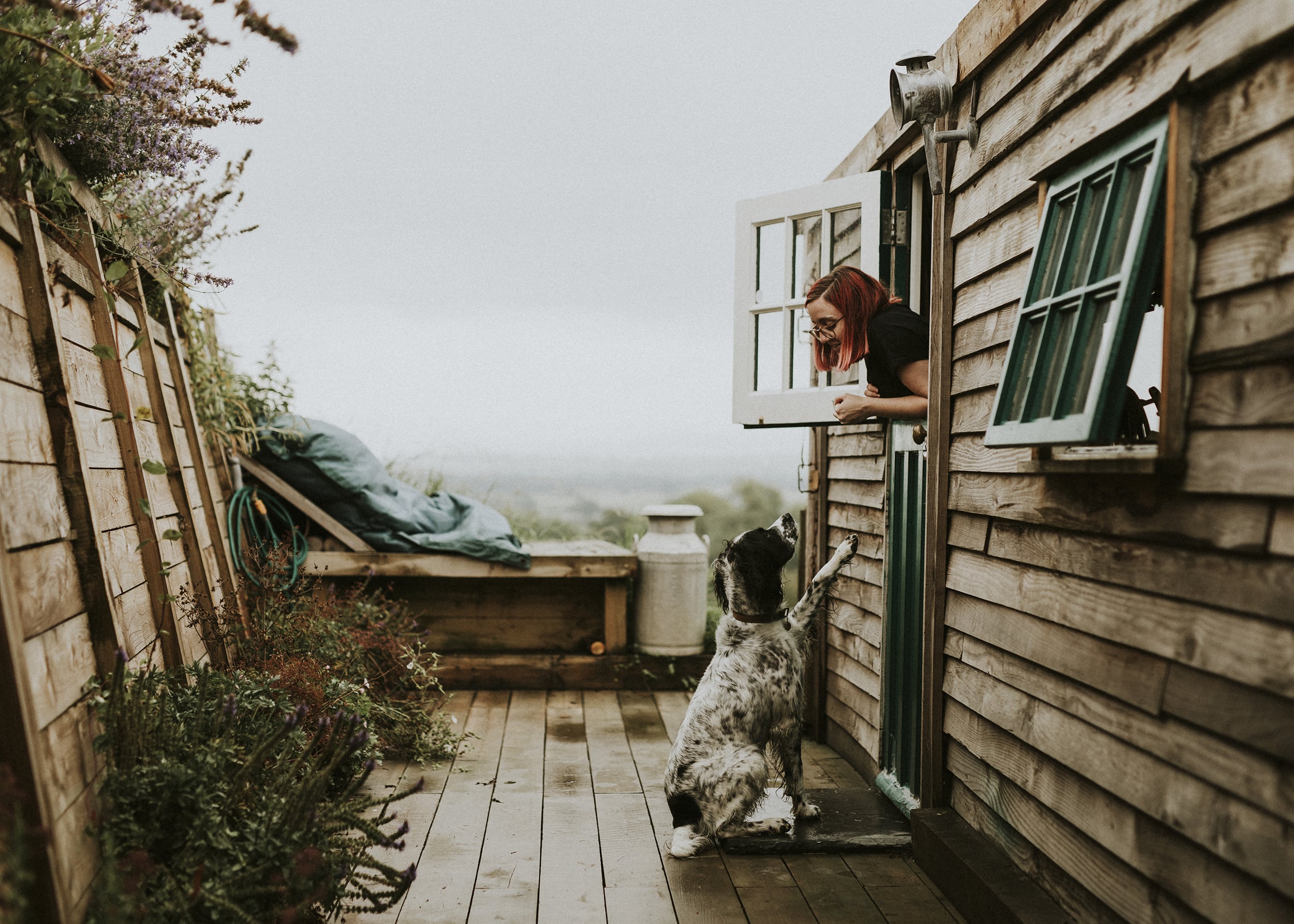
For many families moving to New Hanover or Brunswick counties, the dream includes a golden retriever splashing in the surf or a cat sunning on a screened porch. While the coastal lifestyle is incredibly pet-friendly, the transition to Southeastern North Carolina presents environmental and logistical challenges that inland pet owners often overlook.
Moving your pet to Wilmington, Southport, or Surf City isn't just a change of address; it is a change of ecosystem. To ensure your dogs and cats adjust safely, you need to prepare for the specific realities of our climate and local regulations.
The Climate Adjustment: Heat and Humidity
The most immediate shock for pets relocating from the Northeast or Midwest is the combination of heat and humidity.
- Pavement Safety: In July and August, asphalt temperatures in Wilmington can sear paw pads in seconds. You must shift your walking schedule to early mornings or late evenings.
- Humidity and Hydration: Dogs cool themselves by panting, but high humidity makes this less efficient. Heatstroke happens faster here than in dry climates. Whether you are walking the Loop at Wrightsville Beach or exploring the trails in Leland, carry water specifically for your pet.
The "Hidden" Local Hazards
Our region’s biodiversity is beautiful, but it requires vigilance.
- Wildlife Awareness: Newcomers to Brunswick County and Leland are often surprised to learn that neighborhood retention ponds may house alligators. Never let dogs swim in or drink from stagnant fresh water. Additionally, snake avoidance training is highly recommended for dogs exploring rural Pender County.
- The Year-Round Pest: Unlike colder zones where winter kills off pests, our mild coastal winters mean fleas, ticks, and mosquitoes (the carriers of heartworm) are a year-round threat. You cannot skip preventative doses here.
- Sandspurs: These sharp, burr-like stickers are ubiquitous in coastal lawns and dunes. They can easily lodge in paws or mat into fur, causing infection if not removed.
Navigating Leash Laws and HOAs
The idea of "dogs on the beach" is regulated heavily and varies by town.
- Beach Access: Wrightsville Beach has strict seasonal bans (no dogs on the strand from April 1 to September 30). In contrast, Freeman Park (Carolina Beach) and Oak Island have more lenient policies, though leashes are almost always required during peak season.
- HOA Restrictions: In insurance-heavy coastal zones, many HOAs and landlords have strict breed restrictions due to liability policies. Before you fall in love with a home in a master-planned community in Hampstead, verify that your specific breed and weight are permitted in the bylaws.
Your Next Step
Finding a home that accommodates your pets involves more than just looking for a fenced yard. It requires understanding which neighborhoods offer safe walking paths, which beaches allow year-round access, and which communities welcome your specific breed.
Aspyre Realty Group are experts in listening and communicating people's wants into homes that work for them—and their pets. We act as your strategic guide to finding a property where every member of the family, furry ones included, can thrive. Let’s connect to find the perfect pet-friendly landing spot.
Check out this article next