



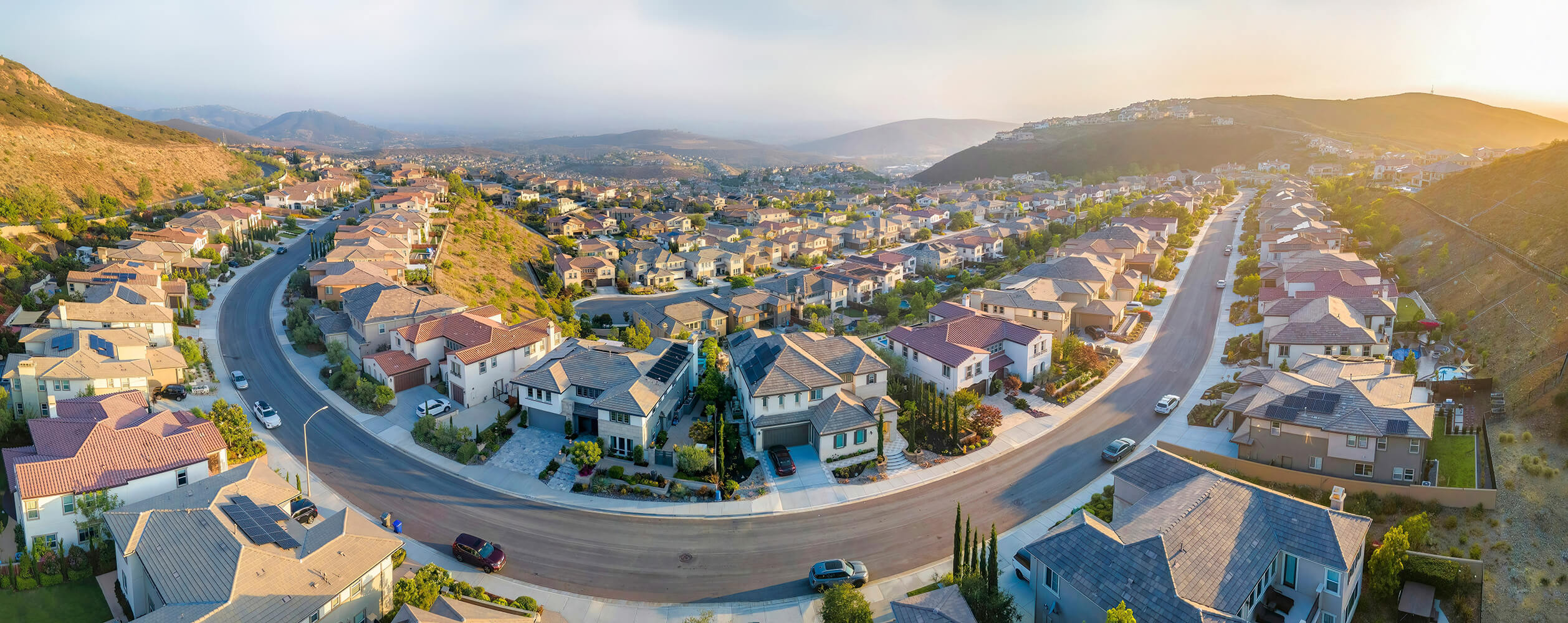
Drive down Highway 17 in Hampstead or cross the bridge into Leland, and you will see the tension immediately: excavators clearing pines for new subdivisions while bumper stickers on the cars passing by read "Save Our Trees" or "Stop the Sprawl."
In Southeastern North Carolina, the clash between NIMBY (Not In My Backyard) and YIMBY (Yes In My Backyard) is not just a theoretical debate—it is the defining political and economic struggle of the decade. For buyers and investors in New Hanover, Pender, and Brunswick counties, understanding this dynamic is critical. It determines where you can build, how much your property will appreciate, and whether that quiet cul-de-sac will soon neighbor a commercial complex.
The NIMBY Argument: Infrastructure Lag
In our region, the "Not In My Backyard" sentiment is rarely about hating neighbors; it is about fearing the infrastructure gap.
- Pender & Brunswick Reality: The primary driver of opposition in fast-growing hubs like Surf City and Leland is traffic. Residents argue that county approvals for thousands of new homes (like the recently contested large-scale developments near Island Creek Road) are outpacing the capacity of roads and schools.
- The Stormwater Defense: In Wilmington and coastal lowlands, NIMBYism often centers on impervious surface limits. Locals know that replacing live oaks with concrete increases runoff. Opposition to high-density infill is often framed as flood prevention—a legitimate concern in our hurricane-prone geography.
The YIMBY Counterpoint: The Affordability Crisis
On the other side, YIMBY advocates argue that restricting supply is destroying the soul of the coast by pricing out the workforce.
- Workforce Housing: Without higher-density projects (often styled as "mixed-use" or townhomes), teachers, nurses, and service workers who power the tourism economy in Wrightsville Beach and Carolina Beach cannot afford to live here.
- Preventing Sprawl: Smart growth advocates in New Hanover County argue that building up (density in city centers like the Project Grace district) prevents building out (sprawl that eats up rural land). They contend that saying "No" to an apartment complex on a bus line just pushes development further into the rural farmlands of Pender County, worsening the traffic everyone hates.
The "Political Risk" for Investors
For real estate investors, this political friction creates a new layer of due diligence: Entitlement Risk.
Ten years ago, buying raw land and getting it rezoned was a standard play. Today, in towns like Southport or unincorporated New Hanover, a rezoning request can trigger massive community mobilization.
- The "By-Right" Goldmine: Land that is already zoned for your intended use (where you don't need a public hearing) has become significantly more valuable than land requiring a Conditional Rezoning.
- The Moratorium Myth: While residents frequently call for building moratoriums, North Carolina state law makes these incredibly difficult for counties to enact legally. However, local boards can slow-walk approvals or deny utility extensions, effectively achieving the same result.
Your Next Step
Whether you are looking to build your dream home or develop a portfolio, you cannot ignore the local political climate. A property’s value is tied to what can be built next to it—and what the neighbors will allow.
Aspyre Realty Group are experts in listening and communicating people's wants into homes and investments that work for them. We act as your strategic partner, helping you navigate zoning maps and community sentiment so you don't walk into a growth war unaware. Let’s assess your next move with a clear view of the local landscape.
Check out this article next