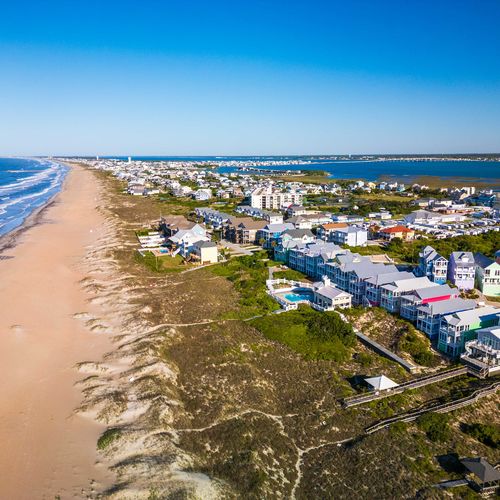




In the vibrant coastal real estate markets of New Hanover, Pender, Onslow, and Brunswick counties, international interest is common. Whether it's a Canadian family selling a second home in Oak Island or a European investor divesting from a Wilmington condo, buyers often encounter a federal tax law that catches them completely off guard: FIRPTA.
The Foreign Investment in Real Property Tax Act (FIRPTA) is not a tax on the buyer, but it makes the buyer legally responsible for collecting the seller's tax. In the eyes of the IRS, you are the "withholding agent", and failing to understand this role can lead to a massive, unexpected bill long after you’ve unpacked your boxes.
The 15% Withholding Mandate
When you purchase a property from a "foreign person" (non-resident alien), the IRS wants to ensure they collect capital gains tax before the seller leaves the country with the proceeds. To guarantee this, the law requires the buyer to withhold a percentage of the gross sales price and send it directly to the IRS.
- The Standard Rate: Typically 15% of the total purchase price.
- The Deadline: You generally have only 20 days after closing to report and remit these funds using IRS Forms 8288 and 8288-A.
- The Electronic Shift: As of late 2025, the IRS has mandated that these payments must be made electronically via the EFTPS (Electronic Federal Tax Payment System). Paper checks are no longer accepted, making early coordination even more critical.
Myth vs. Reality: Who Is Liable?
One of the most dangerous misconceptions in coastal NC real estate is that the "closing attorney handles everything."
Myth: If the attorney misses the withholding, it’s their fault and their bill.
Reality: While a local Cape Fear closing attorney will facilitate the paperwork, the legal and financial liability rests solely on the buyer. If the 15% isn't sent, the IRS can come after you for the tax, plus interest and penalties that can reach 25% of the required withholding.
Common Exceptions for Local Buyers
Not every purchase from a foreign seller requires the full 15% hit. Strategic buyers in areas like Hampstead or Surf City can often leverage specific exemptions:
- The $300k Residence Rule: If the purchase price is $300,000 or less and you (the buyer) intend to use the home as your primary residence for at least 50% of the time for the next two years, the withholding is 0%.
- The Mid-Range Discount: For homes priced between $300,001 and $1,000,000 intended for use as a residence, the rate is often reduced to 10%.
- Withholding Certificates: Sellers can apply for a "Withholding Certificate" (Form 8288-B) if they can prove their actual tax liability is lower than 15% (for example, if they are selling at a loss). However, this must be applied for before or on the date of closing.
Strategic Advice for the Coastal Market
In a market with many vacation rentals like Wrightsville Beach, the "residence" exception is frequently scrutinized. If you tell the IRS you intend to live there to avoid withholding, but then immediately put the home on a short-term rental program, you risk a future audit and heavy penalties.
Always demand a Non-Foreign Affidavit from the seller during the due diligence period. If they cannot or will not sign it, you must immediately pivot your financial strategy to account for the withholding requirement.
Your Next Step
Navigating international tax laws while trying to close on your dream home requires a steady hand and local expertise. At Aspyre Realty Group, we are experts in listening and communicating people's wants into homes that work for them. We act as your strategic partner and guide, ensuring that every detail—from the initial offer to the final FIRPTA filing—is handled with the precision necessary to protect your investment in Southeastern North Carolina.
Check out this article next