



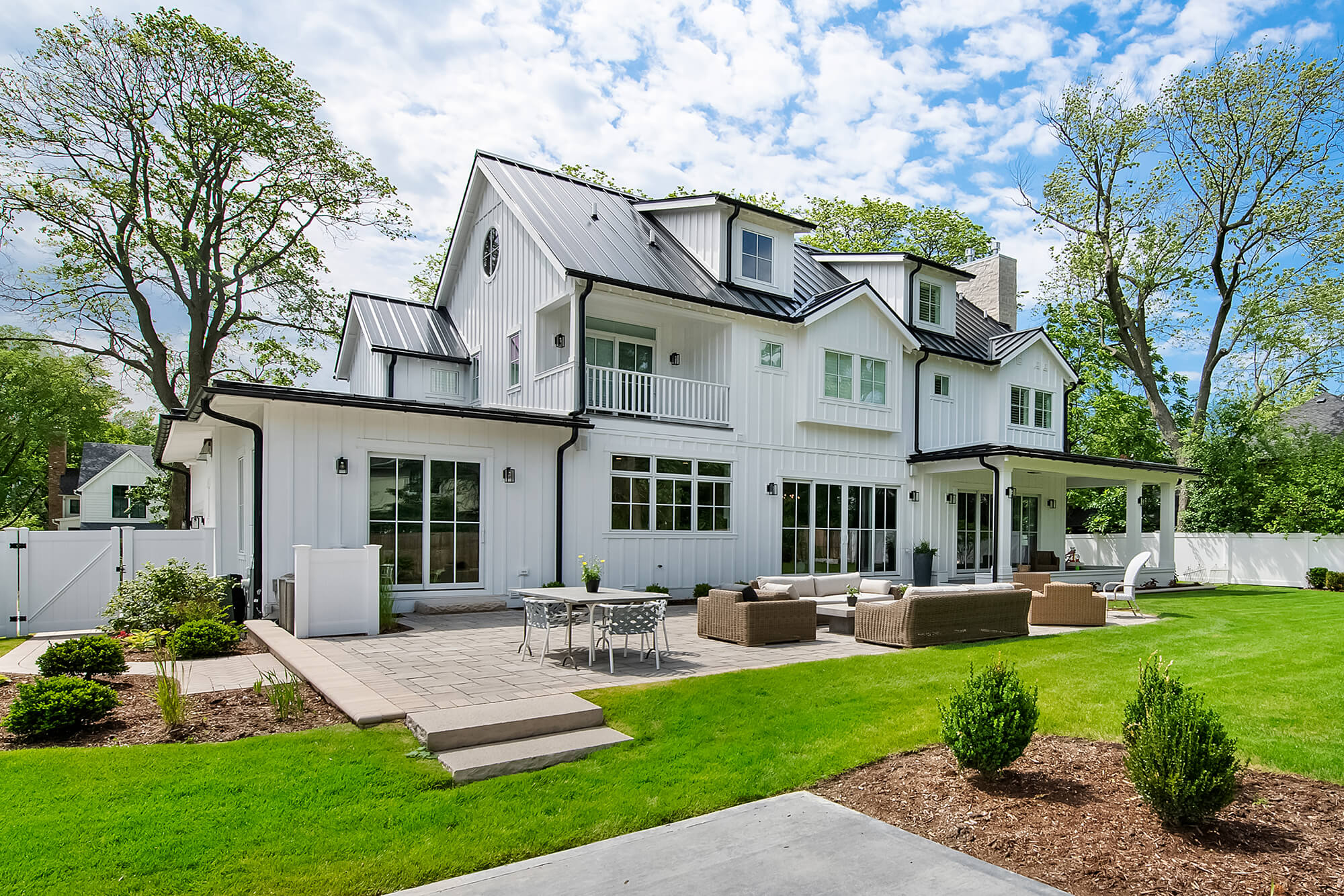
In the mountains of Asheville, "green building" is often about thermal mass and passive heating. But in the coastal markets of New Hanover, Pender, and Brunswick counties, eco-friendly living is about two very different things: surviving the wind and managing the humidity.
For buyers in 2026, the conversation has shifted. It is no longer just about "saving the planet"; it’s about saving your insurance premium and navigating the complex new rules of solar energy with Duke Energy.
Here is the strategic reality of green living on the coast.
The Solar Shift: Why Batteries Are Now Mandatory
If you are moving from a state with 1:1 net metering, you need to reset your expectations. The "Golden Era" of simple solar in North Carolina changed dramatically with Duke Energy’s shift to the Solar Choice (Time-of-Use) model.
The "Insider" Reality:
The Old Way: You produced power, sent it to the grid, and got a 1:1 credit.
The 2026 Reality: Under the new rates, the credit you get for exporting power during the day is significantly lower than what you pay to buy power at night.
The Strategy: To make solar pencil out financially in Hampstead or Southport, you now almost must include a battery backup system. You need to store your own cheap solar power to use during the expensive evening peak hours (6:00 PM – 9:00 PM).
The "PowerPair" Incentive: Watch for Duke Energy’s "PowerPair" program (or its successors). This pilot program offered up to $9,000 in rebates for installing solar plus battery storage. It fills up fast—ask your installer about current capacity immediately.
The "Fortified" Shield: The Certification That Pays You Back
While LEED certification is prestigious, the IBHS FORTIFIED Roof™ designation is the only certification that pays you back in cash every year.
Myth: "My house is built to code, so it’s hurricane-proof."
Reality: "Code" is the legal minimum. "Fortified" is the resilient standard.
The Discount: In coastal counties (Zone 8), many insurance carriers offer substantial discounts (often 5% to 20% on the wind portion of your policy) for a Fortified Roof.
The Grant: Keep an eye on the Strengthen Your Coastal Roof program. Funded by the NCIUA, this program periodically releases grants (often $6,000) to help homeowners replace standard roofs with Fortified ones.
The Difference: It’s not just about stronger shingles. It’s about ring-shank nails (which have double the holding power) and a sealed roof deck (taping the seams so water stays out even if the shingles blow off).
The HOA Battle: "Reasonable Use" vs. "Street View"
One of the most common friction points in neighborhoods like Brunswick Forest or Landfall is the "Solar vs. HOA" debate.
The Law: The North Carolina Supreme Court (Farwig v. Ladies Island) solidified that HOAs cannot effectively ban solar panels.
The Nuance: They can restrict placement (e.g., moving them to the back) unless that move would prevent "reasonable use" of the system.
The Strategy: If your HOA denies your application because they don't want panels on the street-facing roof, you need a solar analysis showing the efficiency loss. If moving the panels to the back reduces production by a significant margin (often cited around 10% or more in legal arguments), the HOA’s restriction may be unenforceable. You need data to win this argument, not just an opinion.
Your Next Step
Green living on the coast requires a calculator, not just a conscience. You need to know if the ROI of solar works with the new Duke rates and if your potential home qualifies for Fortified insurance credits.
At Aspyre Realty Group, we don't just sell homes; we analyze the energy economics. We are experts in listening and communicating people's wants into homes that work for them—and their utility bills.
Contact Aspyre Realty Group today. Let’s review the "Green Potential" of your next home, from roof deck to battery storage.
Check out this article next