



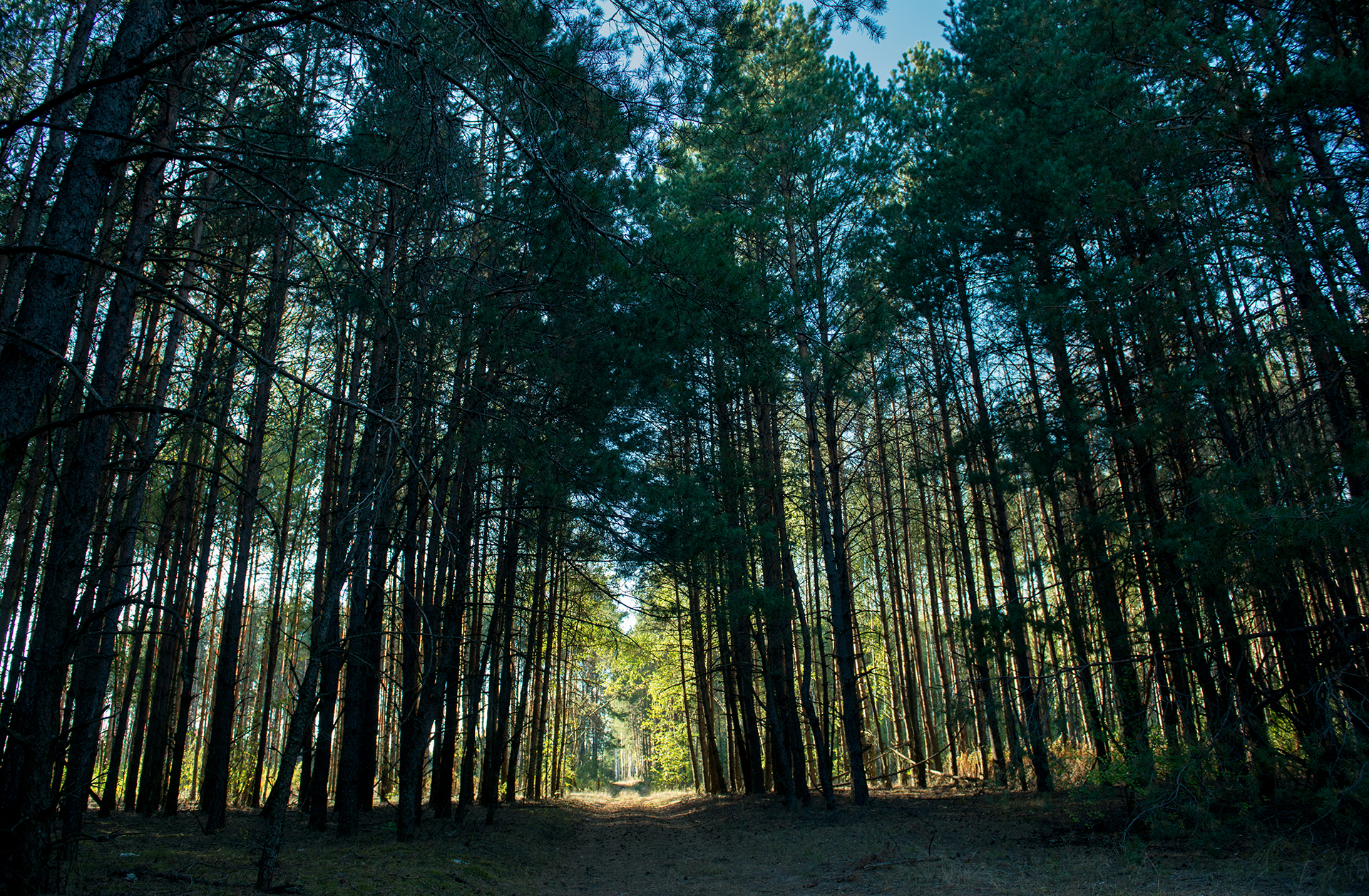
If you have lived in Southeastern North Carolina for more than one spring, you know the drill. You wake up one morning in April to find your world coated in a thick, neon-yellow layer of dust.
In Wilmington, Hampstead, and the barrier islands, pollen season isn't just an allergy alert; it is a lifestyle disruption. The sticky pine pollen—often combined with our signature humidity and salt air—creates a unique paste that can ruin screens and stain outdoor furniture if handled incorrectly.
Here is the insider reality of maintaining your screened porch when the pine trees start to bloom.
Myth vs. Reality: The "Hose It Down" Mistake
Myth: I'll just go out there with the garden hose and rinse it off every morning.
Reality: Adding water to fresh pine pollen creates a yellow mud that is significantly harder to remove. Because pine pollen is sticky (unlike dry dust), wetting it drives it deeper into the mesh of your screens and the pores of your concrete or decking.
The Insider Hack: Blow before you wash. Use a leaf blower or a shop vac to remove the loose dry layer before you introduce water. You will remove about 60% of the bulk without creating a slurry. Only after the dry removal should you reach for the hose.
The "Pollen-Proof" Screen Debate
We frequently get asked by clients in St. James and Landfall if they should upgrade to pollen-blocking screens (like PollenTec or Phifer Pollen Guard).
The Trade-Off: These dense-weave screens do block about 90% of pollen. However, in our humid coastal climate, they come with a heavy cost: Airflow.
The Coastal Reality: On a humid 85-degree day in July, you rely on the cross-breeze to make your porch livable. Pollen screens can reduce airflow by 50% or more, turning your porch into a hotbox.
Strategic Advice: If you have severe allergies, consider installing these screens only on the windward side of the porch, or explore an Eze-Breeze vinyl window system that allows you to seal the room completely during April but open it fully in May.
Cleaning the "Salt & Pollen" Cocktail
In Surf City and Oak Island, you aren't just fighting pollen; you are fighting salt spray. When these two mix, they form a corrosive crust that attacks aluminum furniture frames.
The Solution: Ditch the standard Windex. You need a cleaner that cuts organic grease (pollen) and neutralizes salt.
The Recipe: A simple mix of warm water, mild dish soap (like Dawn), and white vinegar is the local gold standard. The vinegar cuts the mold and salt, while the soap lifts the sticky pollen resin.
Pro Tip: For stubborn yellow stains on white vinyl railings, 30 Seconds Outdoor Cleaner is a favorite among local pros. It’s gentler than straight bleach but effective on the organic dye in the pollen.
Furniture Survival Strategy
Cover, Don't Clean: The most strategic move you can make is to buy custom covers for your outdoor furniture now. Spending 10 minutes covering your sectional is infinitely easier than spending 3 hours scrubbing yellow stains out of weather-resistant cushions.
The "Marine Grade" Rule: If you are buying new furniture, look for Sunbrella or marine-grade fabrics. The cheap outdoor cushions from big-box stores have loose weaves that trap pollen deep inside the foam, leading to that dusty puff every time you sit down, even months later.
Your Next Step
Your screened porch should be your sanctuary, not a source of seasonal stress. Whether you are looking for a home with an existing Eze-Breeze system or a lot perfectly positioned to catch the prevailing southwest breeze, the details matter.
Aspyre Realty Group excels at listening and communicating people's wants into homes that work for them. We know which neighborhoods have the densest pine canopies and which porch orientations stay cleanest. Let’s sit down and find a home that lets you enjoy the coast—even in April.
Check out this article next