


In most of the country, "fall maintenance" means raking colorful maple leaves and winterizing snow blowers. In New Hanover and Brunswick counties, the rhythm is different. Here, November often feels like extended summer, and our "leaves" don't follow the rules.
For homeowners in Hampstead, Wilmington, and Southport, the transition to winter isn't about snow prep; it is about corrosion control and moisture management. After a humid, salty hurricane season, your home needs a specific type of recovery before the first frost hits Zone 8b.
Here is the strategic maintenance reality for the Coastal Carolinas.
The Gutter Strategy: Timing is Everything
If you follow a generic national checklist, you’ll be cleaning your gutters at the wrong time. In our region, the trees dictate the schedule, and they don't all synchronize.
The Pine Needle Reality: If you have Loblolly Pines (common in Porter's Neck and Boiling Spring Lakes), they shed heavily in late summer and early fall. By November, your gutters are likely already packed with needles that act like a sponge, trapping moisture against your fascia boards. Clean these now.
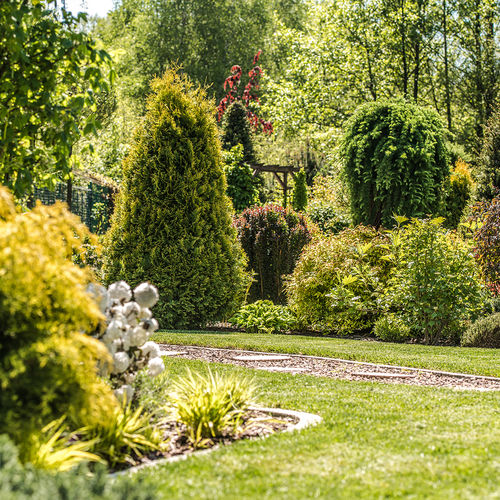
The Live Oak Myth: Don't stress about raking your Live Oak leaves yet. Unlike northern oaks, our coastal Live Oaks are "semi-evergreen." They won't drop their leaves until Spring (typically March/April) when new growth pushes the old foliage off. If you pay a landscaper for a "fall leaf cleanup" under a Live Oak, you are wasting money.
The Crepe Myrtle Drop: These are the true fall shedders. Once they drop their leaves (usually late November), do your final gutter flush to prevent winter clogs.
Roofs: The "Post-Season" Forensic Audit
We just exited hurricane season. Even if we missed a direct hit, months of coastal thunderstorms and tropical depressions have taken a toll.
Myth: "My roof isn't leaking, so it's fine."
Reality: In coastal markets, wind damage is often silent.
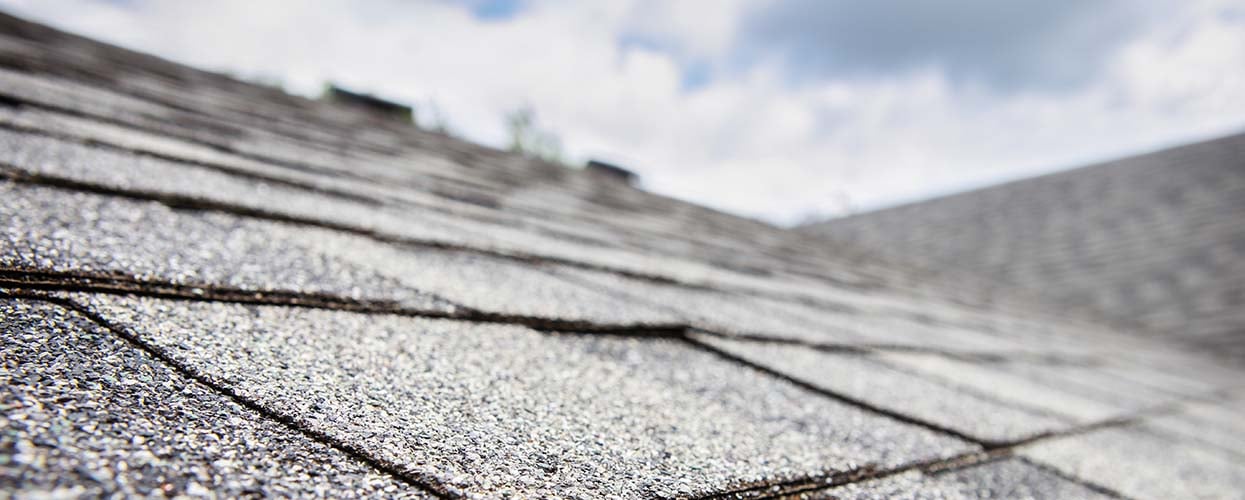
Check the "Tabs": High winds can lift shingle tabs, breaking the adhesive seal without removing the shingle entirely. When the winter Nor'easters arrive with driving rain, these unsealed shingles will flap and allow water intrusion.
The Flashing Check: Salt air corrodes metal flashing faster than you think. Inspect the flashing around your chimney and vent pipes. If it looks rusted or pulled away, a $20 tube of roof sealant now can save you a $2,000 ceiling repair in February.
The "Coastal" Systems: Outdoor Showers & Irrigation
The most common insurance claim we see in February isn't a roof leak; it's a burst pipe in an outdoor shower.
Outdoor Showers: Even if it's 60 degrees today, a hard freeze can hit overnight. Shut off the water isolation valve inside the house. Then, open the outdoor faucet handles to drain the remaining water. Leave them open all winter so any expanding ice has room to move without cracking the pipe.
Irrigation Systems: In Zone 8b, we don't always need a full "blow out" like they do in New York, but you must protect the backflow preventer. Insulate the backflow preventer (that brass assembly usually in the front yard) with a dedicated thermal cover or old towels wrapped in plastic.
Your Next Step
Fall maintenance in the Cape Fear region is about fighting moisture and corrosion. A Saturday afternoon spent lubricating hurricane shutters (salt fuses them shut over winter!) and draining pipes can save you thousands in repairs come spring.
At Aspyre Realty Group, we don't just sell homes; we help you protect the asset. We are experts in listening and communicating people's wants into homes that work for them—and keeping those homes working for you.
Contact Aspyre Realty Group today. If you need a recommendation for a trusted local roofer or gutter specialist to handle your fall list, we have the network you need.
Check out this article next