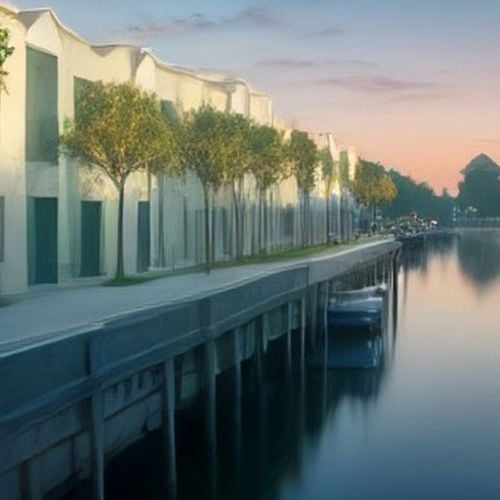



If you live on Carolina Beach’s north end, you know the water we all call “the canal,” “the harbor” or simply “the basin.” Its official name is the Carolina Beach Yacht Basin, and a local group has launched a new effort to help it. The Northend Flood Mitigation Alliance (NFMA) announced Save Our Basin on Nov. 9, 2026, a pilot living-shoreline and oyster shell recycling project. Here’s what it is, how residents can take part, and why water quality and shorelines matter to anyone who owns or is buying on Pleasure Island.
What Save Our Basin Is
WWAY reported on Nov. 9 that NFMA’s Save Our Basin is a pilot living-shoreline project meant to bring residents, visitors and local businesses together to protect and restore the area’s coastal ecosystem. It is supported by the North Carolina Coastal Federation and focuses on community participation in oyster shell recycling and habitat restoration.
On its Save Our Basin page, NFMA describes the initiative as community-driven and dedicated to improving the health of local waterways through education, conservation, oyster shell recycling and living shoreline projects. Its first initiative is the Oyster Cleaning Project, a pilot program developed with support from the Coastal Federation to encourage shell collection and support restoration.
“Oysters are part of what makes our coastal community special,” Save Our Basin board member Christine Higgins told WWAY. “We want people to understand that they don’t have to be a scientist or environmental expert to make a difference. If you eat oysters, save the shells.”
Why Oyster Shells Matter
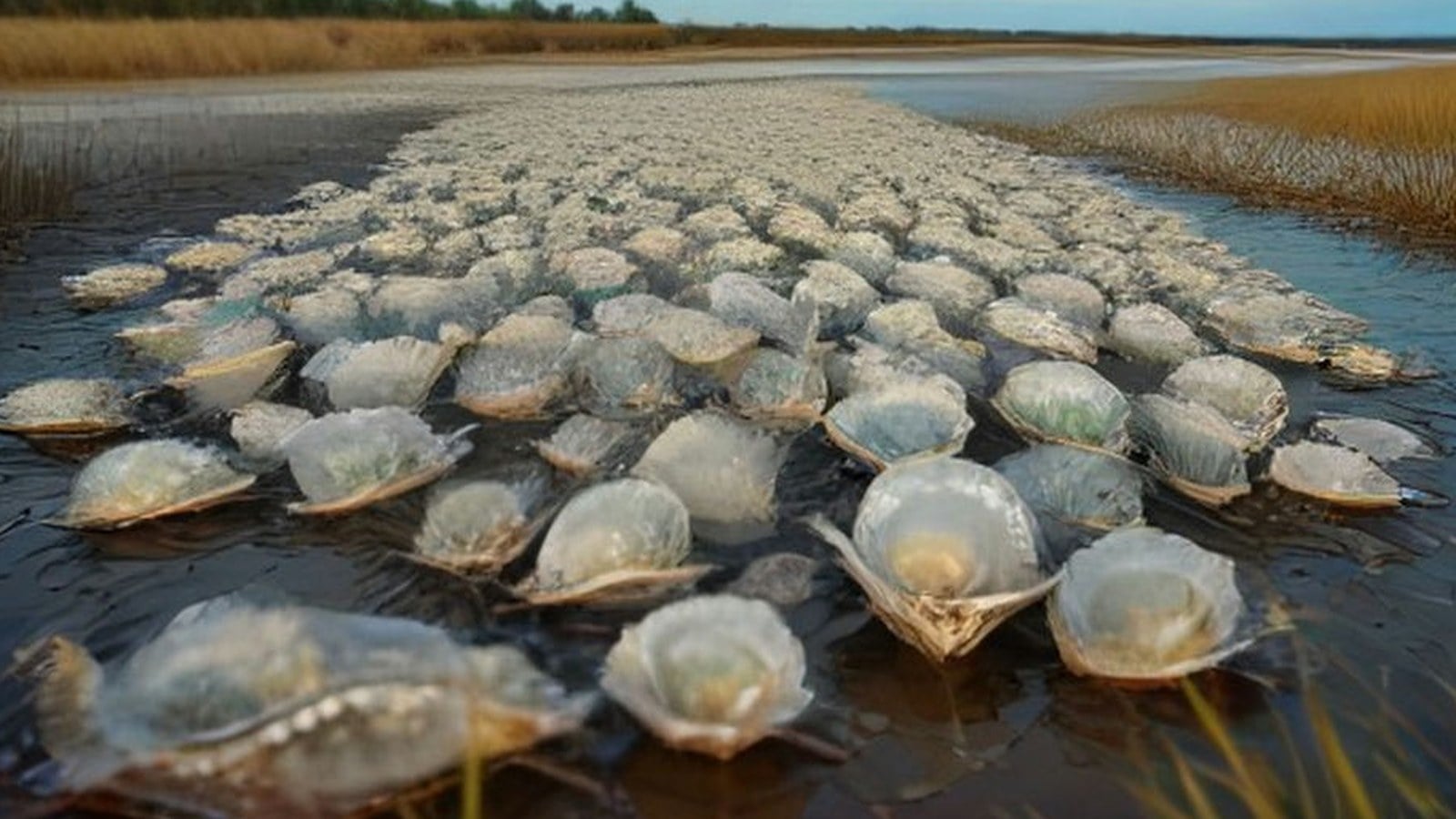
According to the North Carolina Coastal Federation, as cited by WWAY, recycled oyster shells give young oysters hard surfaces to attach to and grow. Oyster reefs then create habitat for fish, crabs, shrimp and other marine life.
NFMA lists several benefits it hopes the work will bring to the basin:
- Healthier waterways, since oysters filter water as they feed and can help water clarity.
- Stronger coastal habitats for fish, crabs and other marine life.
- Reduced shoreline erosion where living shorelines are properly designed.
- A cleaner community through less waste and more responsible practices.
The group also notes the challenges the basin faces, including pollution, stormwater runoff, habitat loss and shoreline erosion.
How Residents Can Help
Oyster season and holiday oyster roasts are a natural fit for this project. NFMA lists several ways to get involved:
- Recycle your oyster shells rather than tossing them.
- Volunteer for shell collection, outreach and events.
- Donate or sponsor as an individual or business.
- Support living shorelines and learn about nature-based shoreline options.
- Spread the word to neighbors, restaurants and visitors.
NFMA also says its first Oyster Roast is planned for Feb. 5, with more details to come. Check the NFMA site for collection details and updates.
What It Means for North End Owners and Buyers
Water quality and shoreline health are part of property value
On the north end, the basin is more than scenery. It’s where people launch boats, fish, paddle and watch the sunset. Community efforts to improve water health and reduce erosion support the things that make waterfront and near-water living appealing in the first place.
Living shorelines are worth understanding
If you own property on the water, nature-based shoreline approaches are increasingly part of the conversation alongside bulkheads and other hard structures. Any shoreline work on the coast typically involves state permitting, so talk with the appropriate agencies and qualified contractors before planning a project.
Flooding is still the bigger daily question
The organization behind Save Our Basin started with a focus on flood mitigation, and that’s still the top question we hear from north end buyers. Before you buy, review flood zone maps, elevation, insurance quotes and the home’s water history. These guides can help:
- Carolina Beach king tides and north end flooding
- Carolina Beach’s flood resilience plan
- Living in Carolina Beach, NC: a town guide
Save Our Basin FAQ
Who runs Save Our Basin?
The Northend Flood Mitigation Alliance in Carolina Beach, with support from the North Carolina Coastal Federation.
What is “the basin”?
NFMA says the north end “canal,” bay or harbor is officially named the Carolina Beach Yacht Basin.
How do I get involved?
Save your oyster shells, volunteer, donate or sponsor through the NFMA website.
Is there an event coming up?
NFMA says its first Oyster Roast is planned for Feb. 5, with details to come.
Thinking About Pleasure Island?
From the north end to Kure Beach, our team can help you weigh flood risk, insurance and lifestyle on the island. Talk with Aspyre Collective about buying or selling in Carolina Beach.