



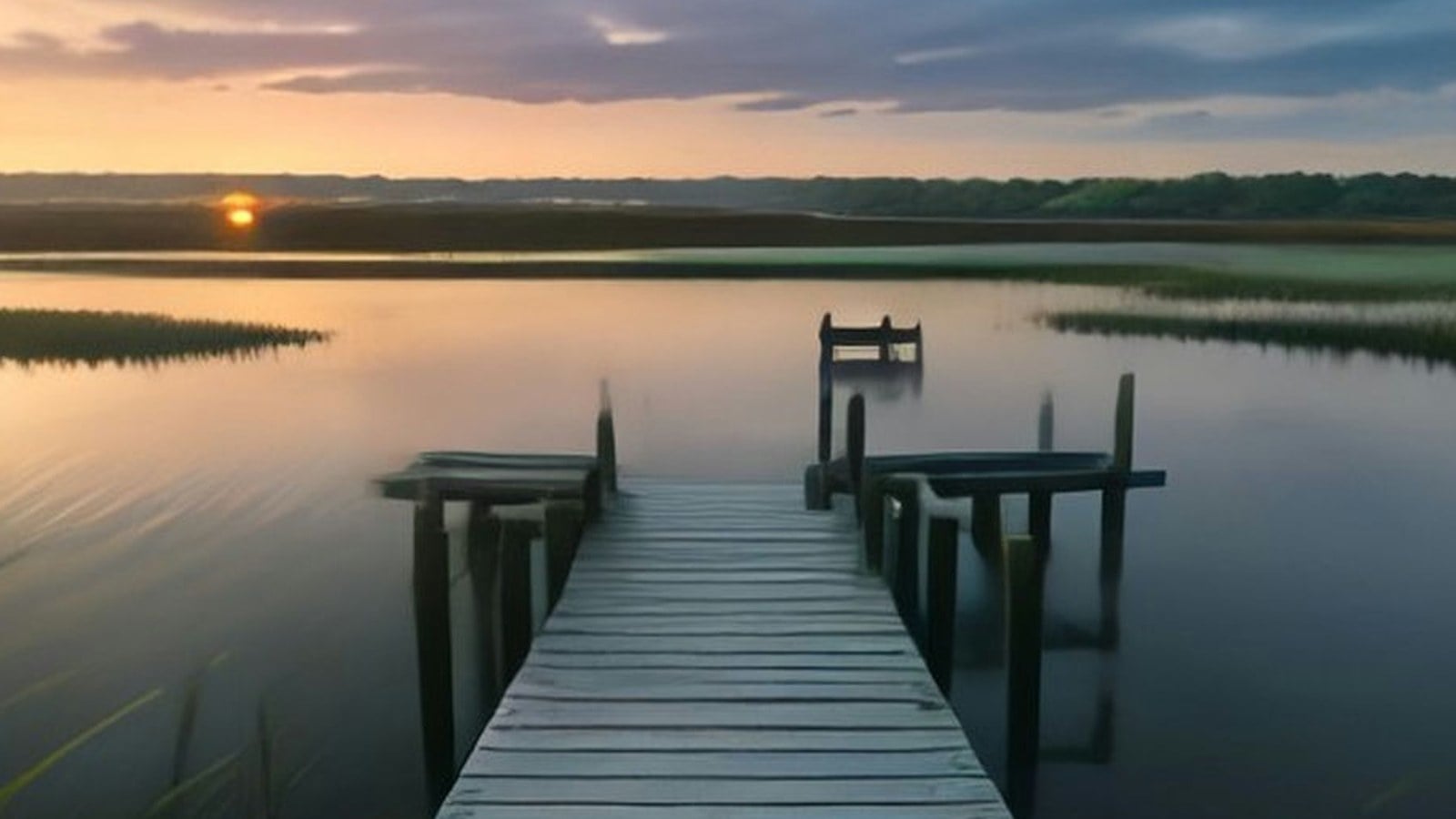
Porters Neck and Ogden sit along some of New Hanover County’s prettiest water. Tidal creeks wind through salt marsh toward Middle Sound and the Intracoastal Waterway, and for many buyers a dock or a marsh view is the whole point. A creek-front or marsh-front home comes with a different set of questions than a lot in the middle of a subdivision, though. This guide covers the checks we recommend before you commit, with links to the state rules that apply.
Start With the State’s Coastal Rules
New Hanover is one of the 20 coastal counties covered by the Coastal Area Management Act (CAMA). According to the N.C. Division of Coastal Management (DCM) general permit fact sheet, you generally need a CAMA permit when a project counts as “development,” sits in or affects an Area of Environmental Concern, and doesn’t qualify for an exemption. Docks, piers and bulkheads are common examples of projects handled through CAMA general permits.
The estuarine shoreline area
Under the state’s coastal shorelines rule (15A NCAC 07H .0209), the estuarine shoreline Area of Environmental Concern generally extends 75 feet landward from normal high water. It extends 575 feet next to waters classified as Outstanding Resource Waters. Inside that area, impervious surfaces are generally capped at 30% of the AEC portion of the lot. The limit is 25% next to Outstanding Resource Waters.
The 30-foot buffer
The same rule says new development in coastal shoreline areas generally must sit 30 feet landward of normal high water or normal water level. There are listed exceptions, such as water-dependent uses like docks, small elevated wooden boardwalks, and unroofed slatted decks up to 200 square feet. For buyers, this matters most if you plan to add a pool, expand the house, or build on a vacant waterfront lot.
Dock Checks Before You Buy
If a dock is part of why you want the property, find out exactly what is there and what is allowed. The state’s general permit conditions for piers and docks (15A NCAC 07H .1205) include, among others:
- Piers may extend up to 400 feet waterward, and no more than one-quarter of the width of the water body, with some exceptions.
- Piers can be no wider than six feet and must be elevated at least three feet above coastal wetland substrate.
- A minimum 15-foot setback from adjacent riparian lines, which neighbors can waive in writing.
- Docking space for no more than two boats under the general permit, or four for a shared pier between two neighbors.
- Boathouses are not allowed on lots with less than 75 feet of shoreline.
Questions to ask the seller
- Is there a CAMA permit on file for the existing dock, boat lift or bulkhead? Can you get copies?
- What is the water depth at the end of the dock at low tide? Shallow creeks can limit the boats you can use.
- Is any part of the structure shared with a neighbor, and is there a written shared-pier agreement?
- When was the dock last repaired, and by whom?
A DCM field representative evaluates general permit requests. DCM says most general permits are issued on site, typically within one to two weeks of a request, depending on workload. If you’re buying with plans to build or extend a dock, talk with DCM’s district office during due diligence.
Flooding, Water Quality and Inspections
Flood zone and elevation
Marsh-front lots can include low ground even when the house sits high. Get the flood zone, ask for an elevation certificate, and get an insurance quote early. Our flood zones buyer’s guide walks through it.
Creek water quality
Water quality affects swimming, shellfishing and enjoyment. We covered one local example in Pages Creek Water Quality Report.
Inspect the waterfront separately
A general home inspector may not evaluate a dock, lift or bulkhead in depth. Consider a marine contractor for the waterfront structures. Our Cape Fear home inspection guide covers how to plan specialty inspections.
Neighborhood Fit
Porters Neck and Ogden both mix waterfront and inland neighborhoods, with HOAs that may add their own dock or architectural rules on top of state rules. Ask for HOA covenants early. For a broader look at each area, see our guides to living in Porters Neck and living in Ogden.
FAQ: Waterfront Homes in Porters Neck and Ogden
Do I need a permit to build a dock?
Usually yes. Docks and piers in coastal waters generally need a CAMA permit, often a general permit, through DCM, plus any required neighbor notice.
Can I build close to the marsh?
New development in coastal shoreline areas generally must be at least 30 feet landward of normal high water, with listed exceptions such as docks and small elevated decks.
How many boats can a private dock serve?
Under the state general permit, no more than two boats, or four for a qualifying shared pier.
Should I get a separate dock inspection?
We recommend it. Waterfront structures need specialized evaluation.
Ready to Look at the Water?
Creek-front living in Porters Neck and Ogden is special, and the details matter. Contact Aspyre Collective and we’ll help you weigh docks, buffers and flood risk before you make an offer.