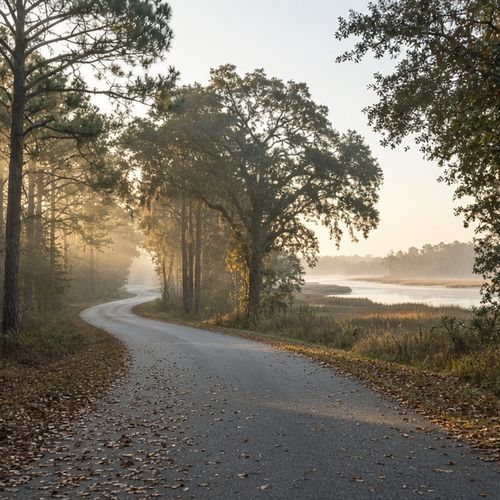



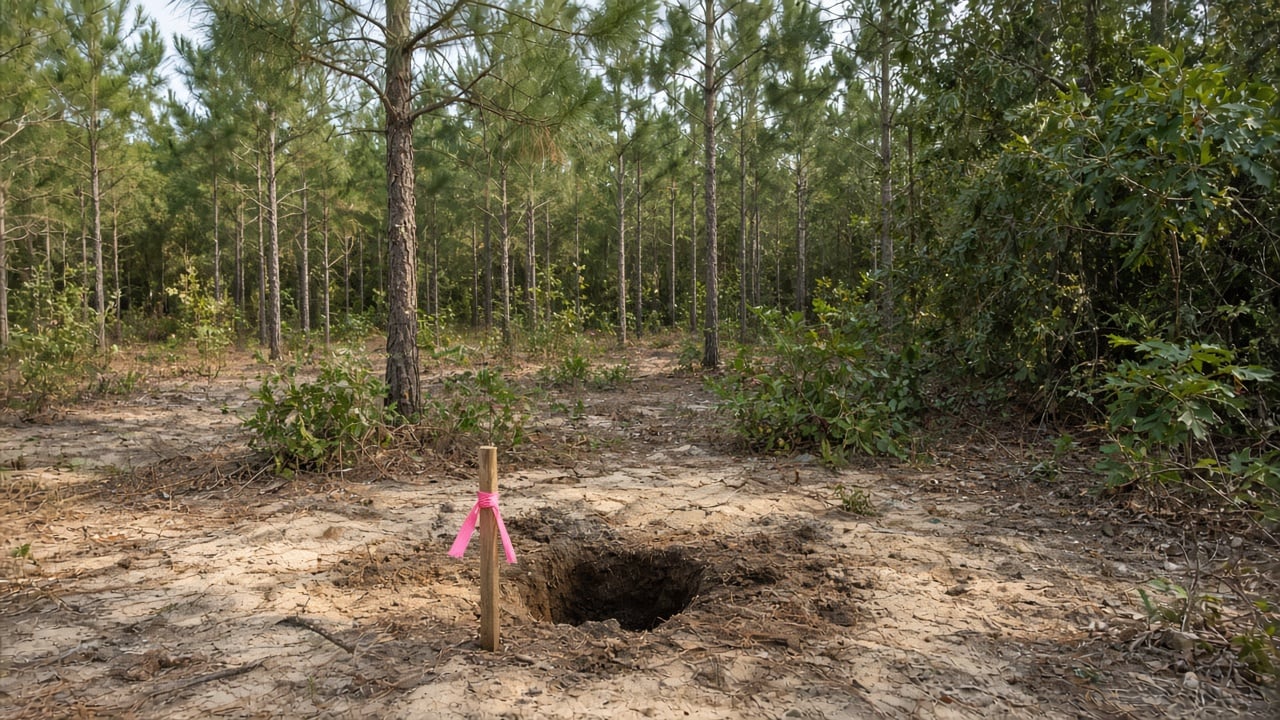
Buying a lot and building your own home is still one of the most popular ways to move to Brunswick County. Some buyers want a wooded acre near Supply or Bolivia. Others want a lot in a golf community near Leland, or a canal lot close to the beaches. A vacant lot can look simple when you walk it, but much of its value depends on things you can’t see, like soil, water and sewer access, flood risk, and the rules that apply to it. Here’s what we tell our buyers to check before they sign anything.
Why the Utility Question Matters More Right Now
Brunswick County is growing quickly, and its infrastructure is trying to catch up. Port City Daily reported on Nov. 7, 2026 that the county reached its sewer capacity at the start of 2026 and that the N.C. Department of Environmental Quality issued a permitting freeze. The same report says commissioners are still debating how quickly to expand capacity and how much developers should pay for it. We’ve followed that story in our county sewer expansion coverage and West system update.
If you’re buying a lot, this matters. A lot that looks ready to build on may have no sewer connection available, or one that comes with conditions. Other lots will need a septic system. Before you close, find out exactly how wastewater will be handled on that specific property.
Step 1: Confirm Water and Sewer Service
Depending on where the lot is, water and sewer could come from Brunswick County Public Utilities, a town, a sanitary district, or another provider. Some lots have only water. Some have neither, and you’d need a well and a septic system. During your due diligence, ask the provider in writing:
- Does water service reach the lot line, and what are the tap and connection fees?
- Is sewer available, and is capacity actually allocated to this lot?
- If the lot is in a subdivision, did the developer already pay for or reserve those connections?
Step 2: Understand Your Septic Permit Options
If the lot needs septic, the soil decides a lot. According to Brunswick County’s On-Site Wastewater Permitting Options page, there are several ways to get a permit:
- Traditional option: You submit an Improvement Permit application to Brunswick County Environmental Health. In unincorporated areas, the Planning Department reviews zoning and setbacks, and a Registered Environmental Health Specialist evaluates the site. The county then denies the site or issues the Improvement Permit, Construction Authorization, and Operation Permit at each stage.
- Private soil consultant option: Under Session Law 2022-11, you can submit documentation from a Licensed Soil Scientist or Licensed Soil Geologist with your application. The county still reviews it and may visit the site.
- Engineer Option Permit: A licensed professional engineer and a soil scientist or geologist design the system, and the county reviews the paperwork.
- Authorized On-site Wastewater Evaluator: A certified soil professional handles the evaluation, and the county reviews the submittal.
Low, wet ground is common in parts of the county. A lot can be approved for a conventional system, approved only for a more expensive engineered system, or not approved at all, and those outcomes mean very different building budgets. Try to make your offer depend on a favorable septic evaluation, or plan your due diligence period around getting one.
Step 3: Check Flood Zones, Elevation, and Wetlands
Look up the lot on North Carolina’s flood risk maps and Brunswick County’s GIS. A lot in a special flood hazard area can still be a good buy, but the building design, foundation height, construction cost, and flood insurance will all reflect it. Ask a surveyor whether any part of the lot may be wetlands. Wetlands can shrink the area you can actually build on. Our flood zone guide explains the zone letters and what they mean for you.
Step 4: Read the Rules That Come With the Land
- Zoning and setbacks: Find out what can be built and how far it has to sit from property lines.
- HOA or POA covenants: Many communities have architectural review, minimum home sizes, approved builder lists, or deadlines to start building. Get the covenants and current dues before you’re under contract.
- Waterfront permits: Docks, bulkheads, and work near coastal wetlands may need state coastal permits.
- Cemeteries and easements: Rural tracts sometimes have old family cemeteries or recorded easements. Our cemetery rules guide explains why that matters.
Step 5: Plan the Financing Early
Lot loans and construction loans work differently from a standard 30-year mortgage. They often need larger down payments and come with different terms. For context, Freddie Mac’s Primary Mortgage Market Survey put the average 30-year fixed rate at 7.18% for the week ending Nov. 5, 2026, the third weekly decline in a row. Rates on lot and construction loans can be different, so talk to a lender who regularly finances land and construction in Brunswick County before you make an offer.
FAQ
How do I know if a Brunswick County lot will pass for septic?
Only a site evaluation can tell you. Apply for an Improvement Permit through Brunswick County Environmental Health, or work with a licensed soil professional under the state’s alternate permitting options.
Does every lot in Brunswick County have sewer available?
No. Availability and capacity depend on location and provider. Get written confirmation for the specific lot before closing.
Can I build on a lot in a flood zone?
Often yes, but you’ll have to meet elevation and construction standards, which affect cost and insurance.
Should I hire a builder before buying the lot?
It helps. A builder can look at the lot’s slope, access, and utilities and give you a realistic budget during due diligence.
Ready to Find the Right Lot?
We help buyers compare lots across Leland, Bolivia, Supply, Shallotte, Boiling Spring Lakes, and the South Brunswick Islands, and we put together the right due diligence team for each one. Talk with Aspyre Collective before you make your offer.