



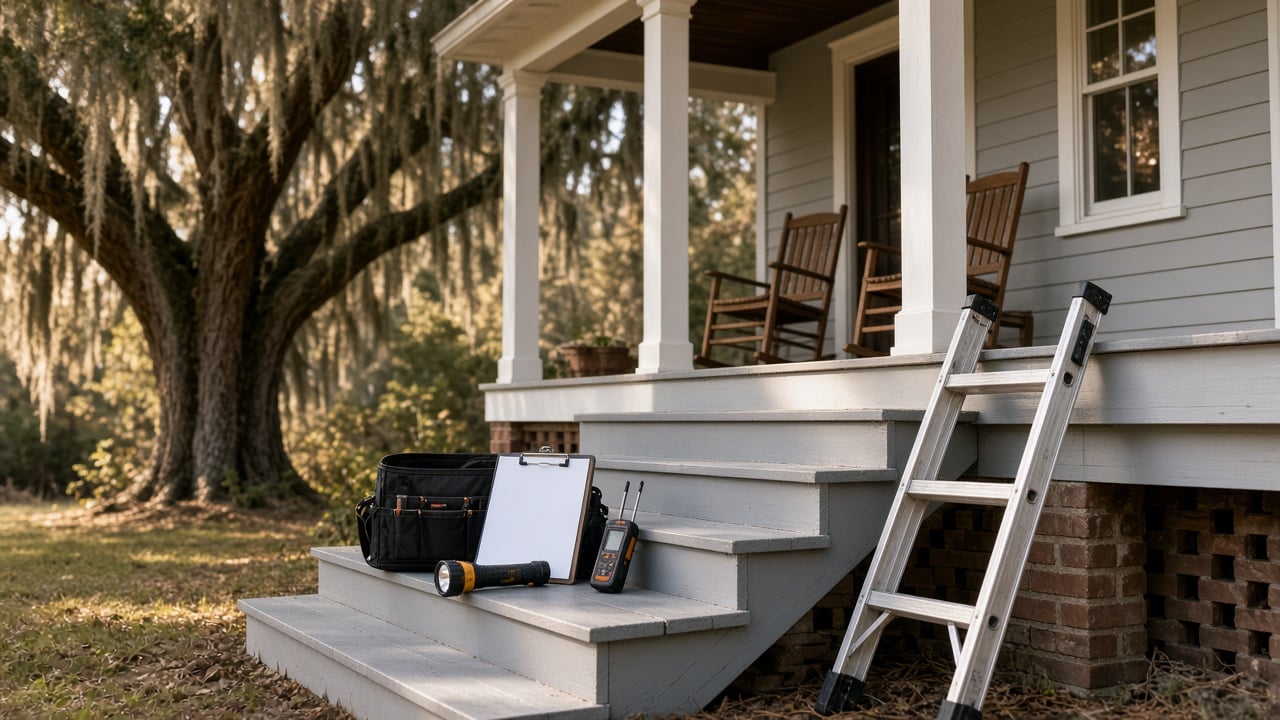
When a buyer’s inspection report lands in the middle of a deal, it can change the price, the timeline, or the whole sale. That’s why more sellers around Wilmington and the rest of New Hanover County are asking whether to get their own inspection before they list. For a lot of homes here, especially older homes, coastal homes, and homes near the water, a pre-listing inspection is one of the smartest moves a seller can make. Here’s how it works locally and how to decide whether it’s right for you.
What a Pre-Listing Inspection Is
A pre-listing inspection is the same kind of general home inspection a buyer usually orders, except you order it before your home hits the market. A licensed home inspector walks the property and reports on the roof, structure, foundation or crawl space, plumbing, electrical, HVAC, attic, windows, and visible water issues. In North Carolina, anyone who performs home inspections for pay must be licensed by the North Carolina Home Inspector Licensure Board, now housed under the N.C. Office of State Fire Marshal. The board keeps a searchable directory of licensed inspectors, and the N.C. Real Estate Commission advises using only licensed inspectors, so check the license of whoever you hire.
The point isn’t to fix everything. It’s to learn what a buyer’s inspector is likely to find, while you still have time and choices.
Why It Matters in Our Market
New Hanover County housing is wonderfully varied, and that variety is exactly why surprises happen. A few local patterns we see again and again:
- Older homes in established neighborhoods. Houses in the historic district, Forest Hills, Carolina Place, Sunset Park, and other in-town neighborhoods often have original wiring, older plumbing, or past renovations of uneven quality.
- Crawl spaces and humidity. Our coastal climate is hard on crawl spaces. Moisture, wood rot, and vapor barrier issues are common inspection items across Wilmington, Ogden, and Monkey Junction.
- Salt air and storms. Homes in Wrightsville Beach, Carolina Beach, Kure Beach, and along the Intracoastal can show corrosion on HVAC units, fasteners, and railings, plus wear on roofs and windows after storm seasons.
- Termites. Wood-destroying insects are a real concern in eastern North Carolina, and buyers here routinely order a separate wood-destroying insect inspection.
The Benefits for Sellers
You set the timeline for repairs
If a buyer finds a problem during the due diligence period in North Carolina’s standard purchase contract, you’re negotiating under a deadline. Find it first, and you can get your own contractor quotes, pick who does the work, and avoid rushed, expensive fixes.
You can price with confidence
If the inspection turns up an aging roof or HVAC system, you and your agent can decide whether to replace it, offer a credit, or price the home to reflect it. Buyers tend to respond better to issues that are already accounted for than to surprises.
Fewer deals fall apart
Many deals that fall through do so after the buyer’s inspection. Addressing the big items in advance reduces that risk and can help you hold onto the buyer you worked hard to find.
It can build trust
Sharing a recent inspection report, along with receipts for repairs, shows buyers you’ve been upfront. Most buyers will still order their own inspection, and they should, but your report helps set expectations.
What to Know Before You Order One
Disclosure still applies
North Carolina sellers of most residential property fill out the state’s Residential Property and Owners’ Association Disclosure Statement. Once you know about a material issue, you can’t pretend you don’t. Talk with your agent, and a real estate attorney if needed, about how what you learn affects your disclosures. In many cases, the best answer is simply to fix the problem.
Not every home needs one
A newer home with a builder warranty in a community like Riverlights may not need a full pre-listing inspection. A 40-year-old house with an original crawl space probably does. Your agent can help you weigh the cost against the likely benefit.
Consider targeted inspections too
Depending on the home, it may be worth adding a wood-destroying insect inspection, an HVAC service check, a roof evaluation, or a septic inspection if the home isn’t on public sewer. Some loan types, including many VA loans, require a wood-destroying insect report, so having a recent one can save time.
What to Fix and What to Leave
Generally, prioritize anything involving safety, water intrusion, the roof, structure, electrical hazards, or major systems. These are the items lenders, insurers, and buyers care about most. Cosmetic issues like worn carpet or dated light fixtures are usually better handled through pricing or simple updates, not major spending. Keep every invoice and warranty in a folder you can share with buyers.
FAQ
Do I have to give buyers my pre-listing inspection report?
Policies and advice vary, so talk with your agent and attorney. Keep in mind that known material defects generally need to be disclosed whether or not you share the full report.
Will buyers still get their own inspection?
Usually, yes, and that’s a good thing. Your inspection simply means fewer surprises when theirs comes back.
When should I schedule it?
A few weeks before you plan to list is ideal. That gives you time to collect quotes and finish repairs before photos and showings.
Does this make sense for a beach or rental property?
Often, yes. Salt air, storm exposure, and heavy rental use can wear on homes faster, so an inspection helps you understand condition before buyers do.
Thinking About Selling in New Hanover County?
We help sellers across Wilmington, the beaches, and the rest of the Cape Fear region decide what to inspect, what to fix, and how to price so their homes sell smoothly. If you’re planning a sale this winter or next spring, reach out to Aspyre Collective and we’ll put together a plan for your home.