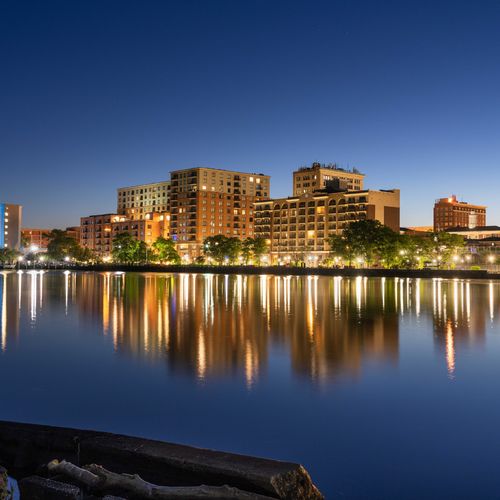



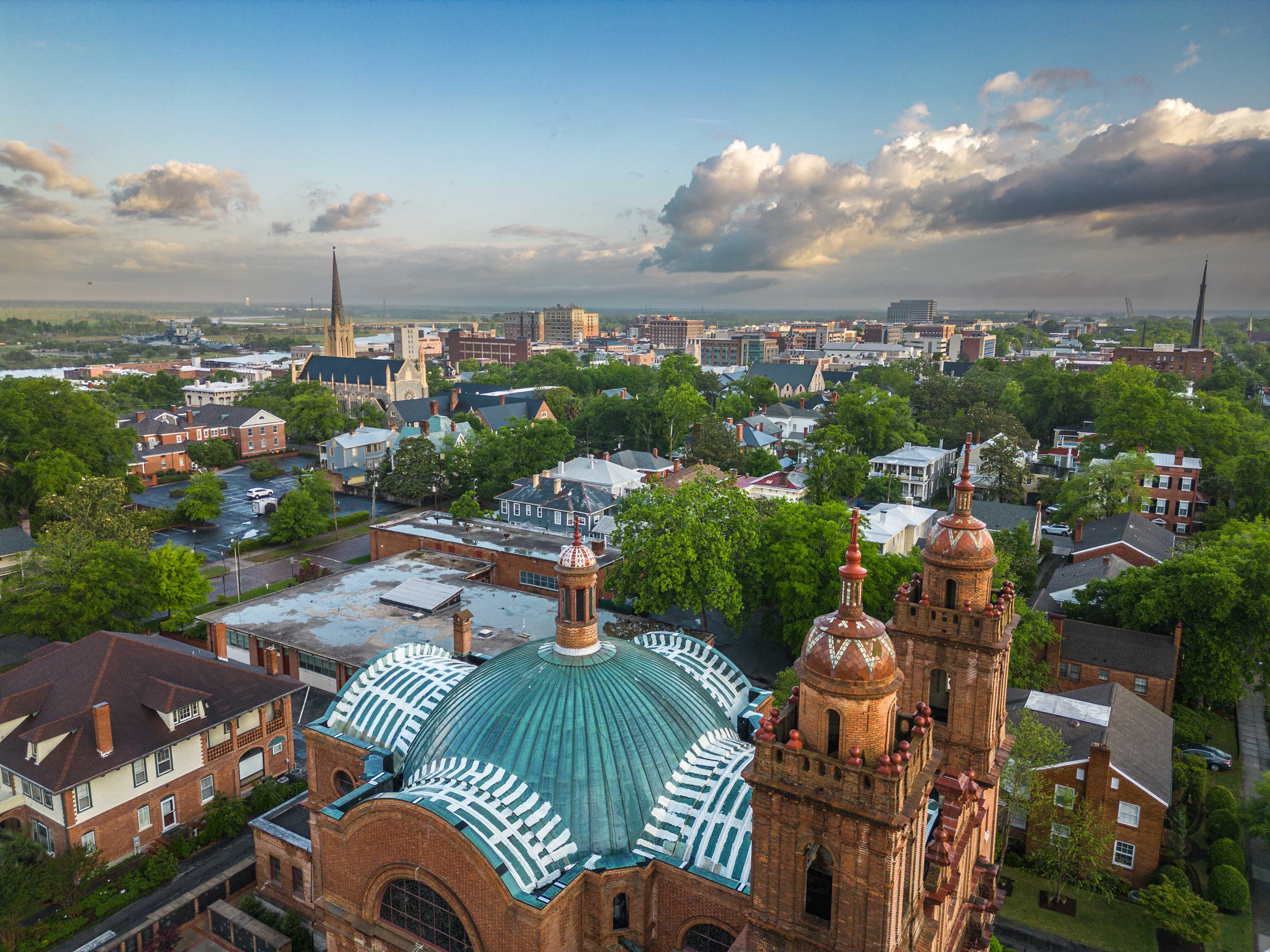
The romance of a grand Southern home in the Wilmington Historic District is undeniable: soaring ceilings, heart-pine floors, and deep, covered porches. But a "fixer-upper" here is not the same as one built after 1980.
Restoring a historic property in New Hanover County is a high-stakes, specialized endeavor that pits your budget against the specific demands of the Historic Preservation Commission (HPC) and the structural realities of coastal aging. If you enter the process without an "insider" understanding of the three major hurdles—the Law, the Structure, and the Money—your dream home can quickly become a five-year construction nightmare.
1. The Legal Hurdles: The Certificate of Appropriateness (COA)
In the Historic District, your renovation plans are not solely determined by you and your contractor. Any exterior change requires a Certificate of Appropriateness (COA) from the Wilmington Historic Preservation Commission.
The Difference: Routine maintenance (like in-kind roof replacement) does not require a COA. However, anything that changes the exterior appearance—like moving a window, changing roofing materials, adding a deck, or demolishing a non-original porch—requires review.
Minor vs. Major: Simple, minor alterations may be approved by staff (administrative bypass), often taking 7–10 days. Major changes (structural, additions, or anything inconsistent with the Wilmington Design Standards) require a public hearing before the HPC. This process is time-consuming (up to 180 days) and legally demanding (quasi-judicial hearings).
The Warning: Performing work without an approved COA will result in a requirement to reverse the work and potential civil penalties.
2. The Structural Pitfalls: The Coastal Time Capsule
Historic homes in the Cape Fear region are subject to intense environmental stress from sandy soils, humidity, and saltwater exposure. Standard home inspections are inadequate; you need specialized historic inspectors.
The Foundation & Sill Beams: The most common structural failure is moisture-related. Check the sill beams (the large beams that rest on the foundation) and joists in the crawl space for wood rot and active termite damage. Uneven or sloping floors are the primary symptom of this foundation settlement in our sandy soil.
Hazardous Materials: If the home was built before 1978, assume the presence of:
- Lead-Based Paint: Common on both interior and exterior surfaces. Abatement adds significant cost and requires certified contractors.
- Asbestos: Often found in old siding, floor tiles, and pipe insulation. Disturbing these materials requires special permitting and removal processes.
Outdated Systems: Prepare to fully replace knob-and-tube wiring (a high-risk fire hazard) and aging cast iron plumbing. Replacing these often means tearing into plaster walls, which is far more expensive than repairing modern drywall.
3. The Financial Strategy: Tax Credits
To offset the high cost of specialized labor and materials, utilize North Carolina’s powerful historic tax credit program.
The Residential Credit: Homeowners (non-income-producing) may qualify for a 15% state tax credit for eligible rehabilitation expenses.
The Cap: The project must exceed $10,000 in rehabilitation expenses within a 24-month period, and the maximum eligible expenditure is capped at $150,000 (meaning a maximum credit of $22,500).
The Requirement: The rehabilitation work must meet the Secretary of the Interior's Standards for Rehabilitation. This means prioritizing restoration of original materials (e.g., repairing original wood windows rather than replacing them with vinyl). Insider Tip: Always consult with the State Historic Preservation Office (SHPO) and the Wilmington HPC before starting work to ensure your project is compliant and eligible for the credit.
Your Next Step
Restoring a historic home is a passion project, not a weekend flip. It requires patience and a budget that includes a significant contingency fund for the inevitable surprises hidden behind 100-year-old plaster.
At Aspyre Realty Group, we guide you through the process, from identifying properties that are financially viable to connecting you with the specialized architects and contractors familiar with HPC requirements. We are experts in listening and communicating people's wants into homes that work for them—and the city they belong to.
Contact Aspyre Realty Group today. Let’s determine if your vision and your budget align with the rewarding reality of historic preservation.
Check out this article next