



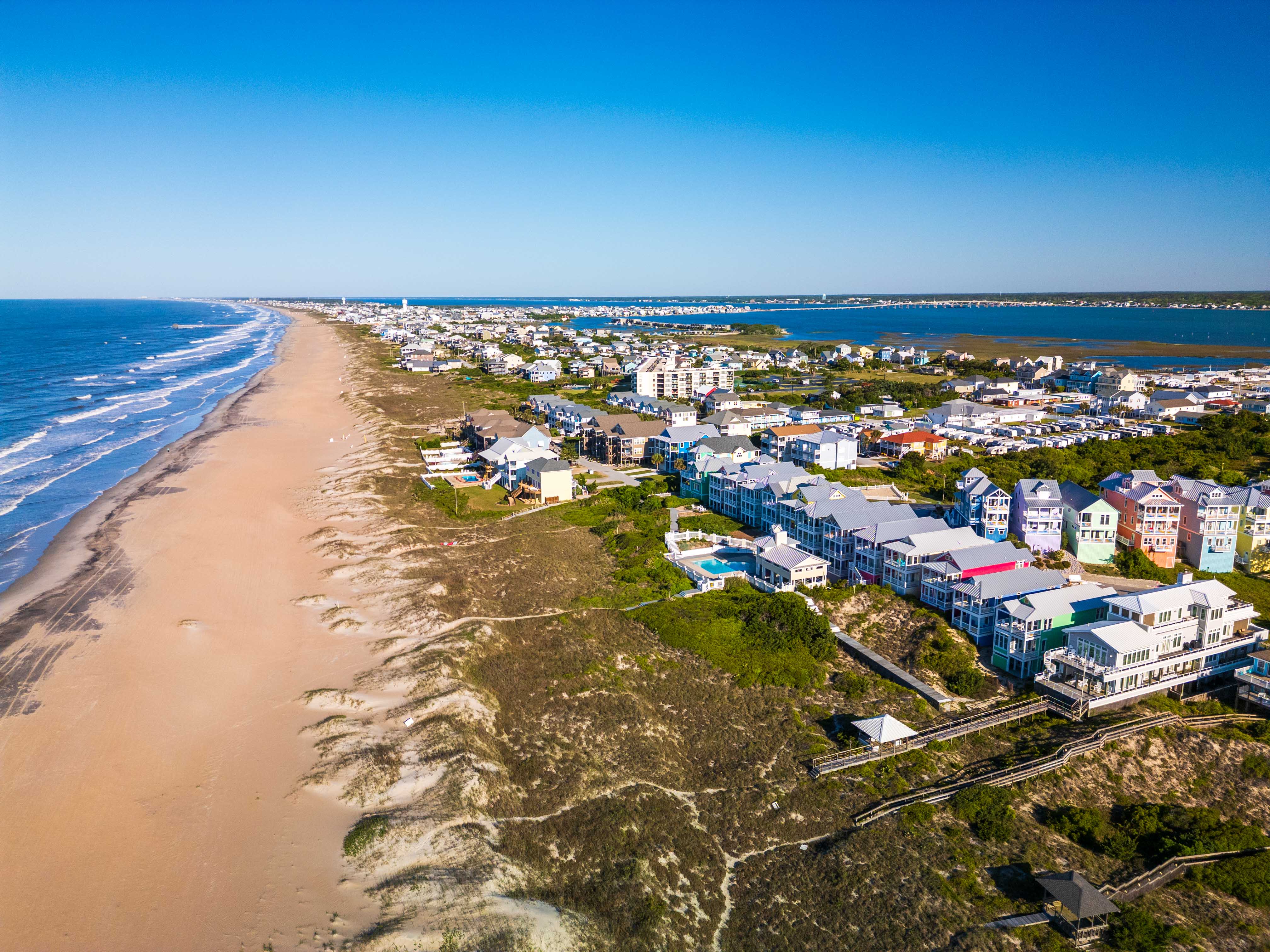
If you just moved to Hampstead, Leland, or Oak Island from a landlocked state, your first hurricane season can feel overwhelming. You’ve likely seen the generic "buy water and batteries" lists.
Throw those away.
In the coastal markets of New Hanover, Pender, Brunswick, and Onslow counties, survival isn't just about non-perishable food; it’s about re-entry logistics, bridge schedules, and corrosion control. A storm here is different than a storm inland. The wind isn't just fast; it's salty. The water doesn't just fall; it surges.
Here is the "Insider’s Checklist" for navigating the 2026 season—designed to be printed, pinned to your fridge, and followed before the first cone appears on the Weather Channel.
Phase 1: The "Paperwork" (January – March)
The most critical prep happens months before a storm forms. If you wait until June to handle this, you will be stuck in a bureaucratic backlog.
Secure Your Re-Entry Pass: This is the single most important item for island residents. After a mandatory evacuation, police close the bridges. You cannot go home to check on your property without a specific pass or decal.
Wrightsville Beach: Requires a specific tax decal/hang tag.
Surf City & Topsail Island: Passes are often managed via the "SurfCast" app or Town Hall.
Oak Island & Holden Beach: Decals are mailed with water bills or must be purchased at Town Hall early in the year.
Insider Tip: Do not rely on your driver's license address. Police at the checkpoint are looking for the current year’s decal.
Audit Your Insurance:
The "Wind/Hail" Deductible: Check your policy. Is your deductible a flat rate (e.g., $1,000) or a percentage (e.g., 2% of home value)? If it's a percentage, you could be on the hook for $15,000+ out of pocket.
Flood is Separate: Remember, homeowner’s insurance does not cover rising water. You need a separate NFIP or private flood policy, and it has a 30-day waiting period.
Phase 2: The "Hardware" (April – May)
When the first named storm is announced, plywood disappears from Lowe’s and Home Depot in hours.
The Generator Coating: If you bought a portable generator, you must treat it for salt air.
Insider Tip: Spray the exterior metal casing with a corrosion inhibitor like Boeshield T-9 or CRC Marine. Without it, the salt air in Pender County will rust your generator's carburetor linkage before you ever pull the cord.
Tree Trimming: Look at your Loblolly Pines and Live Oaks. The goal is "wind permeability." You want wind to pass through the canopy, not push against it like a sail. Hire a licensed arborist now—tree crews are impossible to book in July.
The "Dry Run": If you have metal hurricane shutters, install them on a sunny Saturday in May. You will likely find that screw holes have been painted over or bolts are missing. Find out now, not when the wind is gusting 40 mph.
Phase 3: The "Go-Bag" (The 48-Hour Warning)
When a Watch turns into a Warning, your focus shifts to mobility.
Cash is King: When power grids fail, credit card terminals go dark. Keep $500–$1,000 in small bills in your kit to pay for gas, ice, or chainsaw work after the storm.
The "Dishwasher Safe" Hack:
Insider Tip: If you are evacuating and fear flooding, put your essential documents (deeds, insurance policies) and small valuables in a waterproof bag, then place them inside your dishwasher and latch it shut. It is bolted to the cabinets, sealed against water, and generally survives flooding better than a safe.
The "Quarter on a Cup" Trick:
Insider Tip: Freeze a cup of water, then place a quarter on top of the ice. Leave it in your freezer when you evacuate. When you return, if the quarter is at the bottom of the cup, you know the power was out long enough for your food to thaw and refreeze. Throw everything away.
Your Next Step
Preparation is the ultimate form of insurance. It turns a potential catastrophe into a manageable inconvenience. You need a home that is built to withstand the elements and a plan that keeps your family safe.
At Aspyre Realty Group, we don't just sell coastal homes; we teach you how to live in them. We are experts in listening and communicating people's wants into homes that work for them—rain, shine, or high water.
Contact Aspyre Realty Group today. We can share our list of trusted local vendors—from shutter installers to tree surgeons—to help you get your home "Storm Ready" for 2026.
Check out this article next