



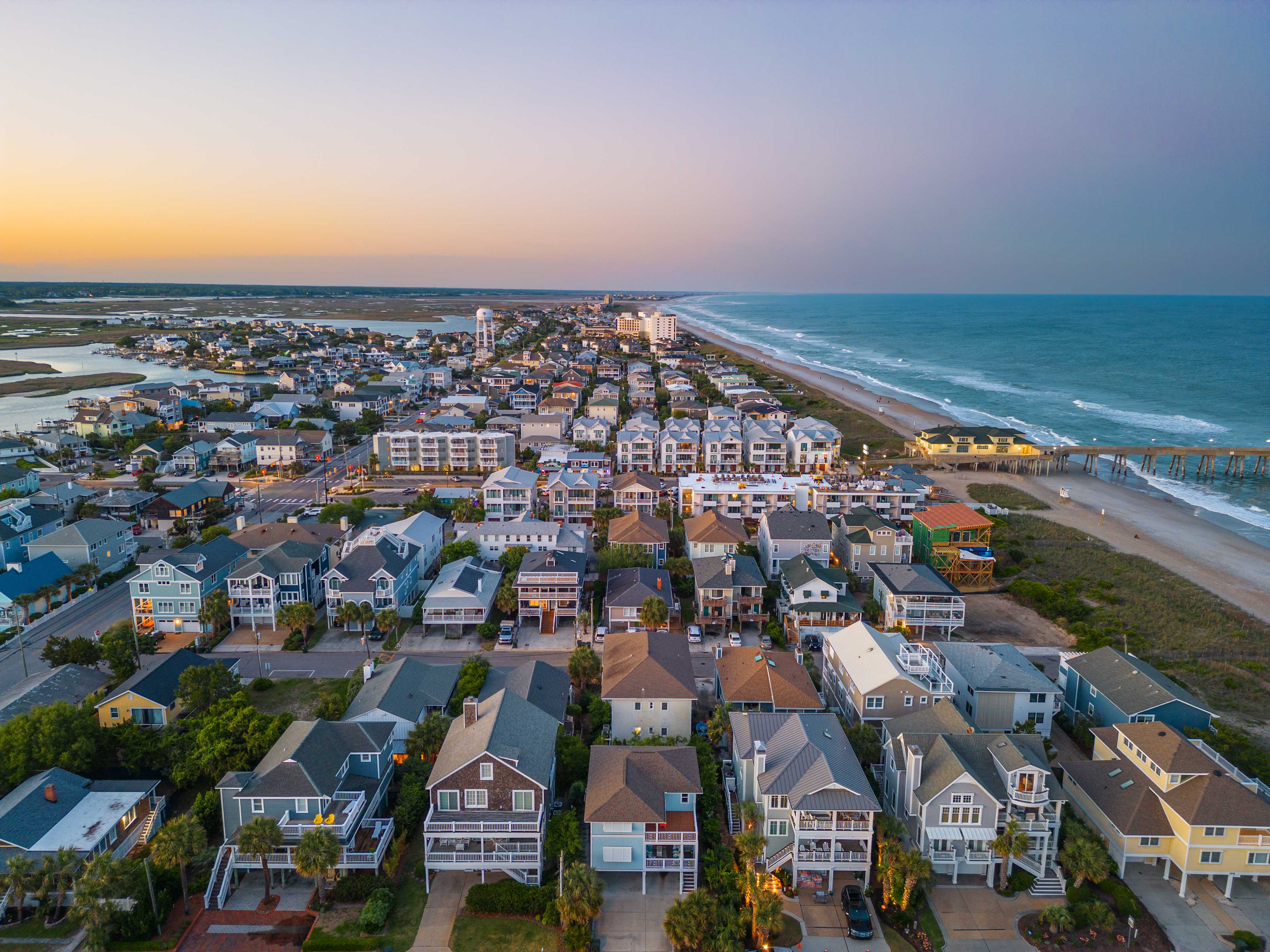
As we close out the 2025 Atlantic hurricane season, the cycle begins again. By late winter, headlines will start circulating with early predictions for 2026 from Colorado State University and NOAA. For buyers in New Hanover and Brunswick counties, these early outlooks often trigger a psychological pause—a hesitation to sign a contract on a barrier island just as the pundits start talking about El Niño patterns and sea surface temperatures.
But for seasoned investors and locals, the meteorological forecast is secondary to the financial forecast.
In the Coastal NC market, waiting for the perfect weather report is a losing strategy. Instead, understanding how early predictions affect market competition—and insurance premiums—is where the real opportunity lies.
The "Headline Effect" on Spring Inventory
Every spring, when the initial hurricane outlooks are released, we see a palpable shift in buyer sentiment.
The "Fear Pause": Out-of-state buyers, particularly those from non-coastal areas, often freeze when they see a Hyper-Active Season prediction. This causes a temporary dip in competition for high-end properties in places like Figure Eight Island or Wrightsville Beach.
The Opportunity: For the strategic buyer, this is the insider window. While the casual browser is spooked by a prediction 6 months out, serious investors know that storm risk is priced into the insurance, not the asking price. Buying during the pre-season anxiety window often allows for better negotiation leverage than waiting until November when the coast is clear but inventory is low.
Strategic Reality: The "Insurance Forecast" is the Real Key
Forget the wind speed models; the forecast you need to watch is the North Carolina Rate Bureau.
Myth: I should wait to see if 2026 is a bad storm year before buying.
Reality: The financial damage often hits before the storm.
The 2026 Rate Hikes: Following the 2025 trends, insurance premiums in coastal counties are set for another scheduled adjustment. Buyers who lock in properties now—before the next round of policy renewals in June—can often grandfather in slightly better terms or negotiate a credit from the seller to buy down the rate.
Consent to Rate: In our current market, most carriers require you to sign a Consent to Rate letter, effectively bypassing the state cap on premiums. A quiet hurricane forecast doesn't stop these rates from climbing.
Insider Tip: The "Fortified" Defense
If the 2026 forecast looks aggressive, your best defense isn't hesitation—it's the Fortified Roof certification.
The ROI: In Pender and Onslow counties, a home with a Fortified-Roof designation can see insurance premiums drop by 20–30%.
The Strategy: If you are looking at a home that needs a new roof, do not just ask for a credit. Ask the seller to install a Fortified Roof prior to closing (or escrow the funds specifically for it). This transforms a fixer-upper liability into an insurable asset that defies the scary forecasts.
Your Next Step
Don't let a long-range weather model dictate your financial future. You need a partner who helps you navigate the Fear Index and understands the difference between a scary headline and a risky investment.
At Aspyre Realty Group, we track the insurance markets as closely as the weather. We are experts in listening and communicating people's wants into homes that work for them—rain or shine.
Contact Aspyre Realty Group today. Let’s assess your risk tolerance and find a property that stands strong against both the elements and the market.
Check out this article next