



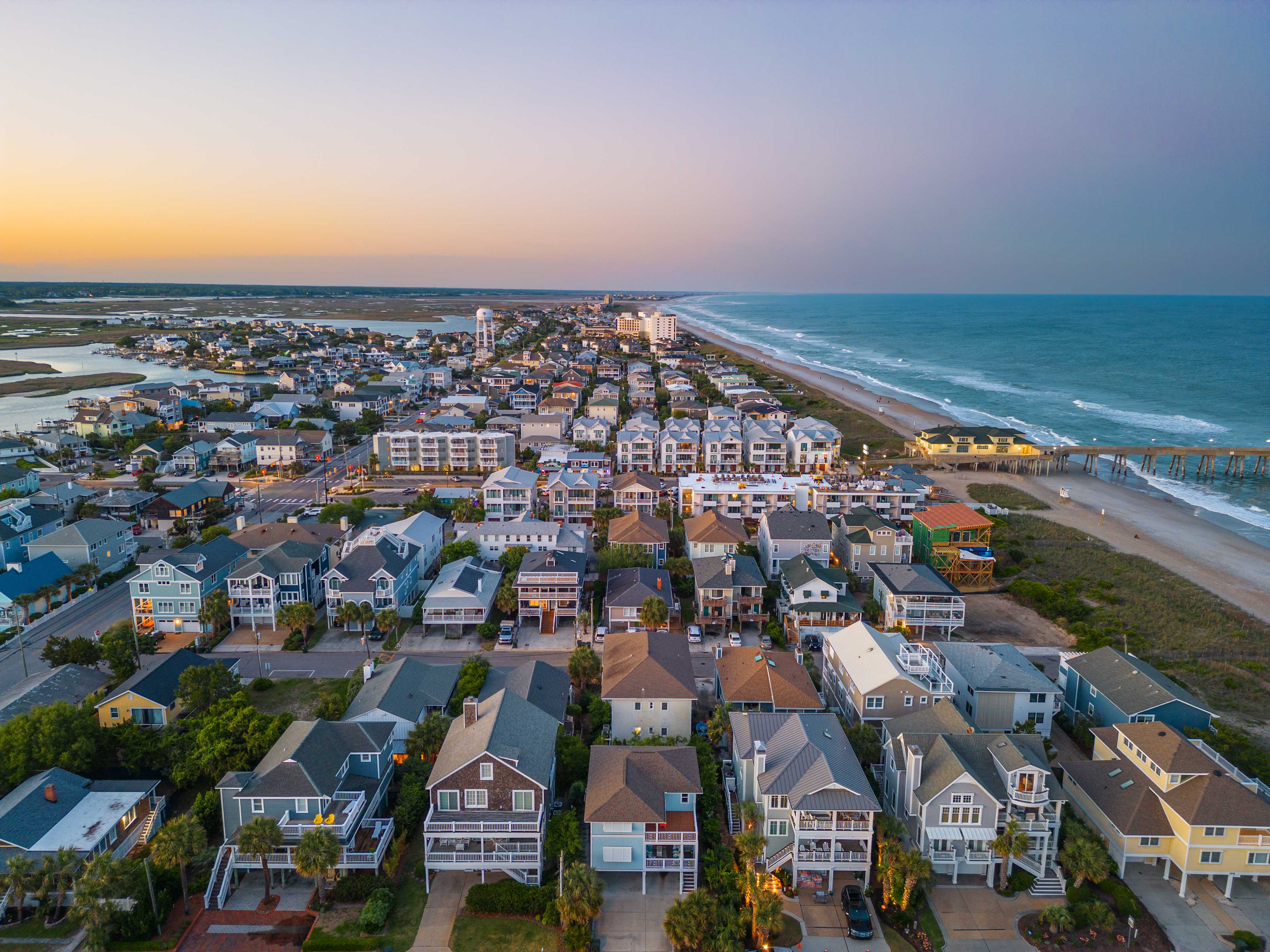
It is the nightmare scenario every buyer fears: You finally find the perfect home in Hampstead or Wilmington, you wire your $50,000 down payment to the closing attorney, and you show up to settlement only to hear the attorney say, "We never received your money."
In 2024, North Carolina ranked 13th in the nation for cybercrime losses, with over $234 million lost to fraudsters. Real estate wire fraud is now one of the fastest-growing crimes in New Hanover and Brunswick counties.
The scary part? These scammers aren't hacking bank vaults; they are hacking emails. And because North Carolina is an "Attorney State" (where funds are handled by law firms rather than title companies), there are specific vulnerabilities you need to watch for.
The "Friday Afternoon" Panic
The most common scam we see in the Coastal NC market happens right before the weekend.
The Setup: You are scheduled to close on a Monday. On Friday afternoon at 4:30 PM, you receive an email that looks exactly like it came from your paralegal or real estate agent.
The Hook: The email says, "Our wiring instructions have changed due to an internal audit/bank switch. Please wire funds to this new account immediately to avoid delaying your closing."
The Reality: Attorneys almost never change wiring instructions. If you wire that money, it is likely gone forever.
The "Fake Seller" / Vacant Lot Scam
This is rampant in rural Pender and Onslow counties right now.
The Scenario: You see a great deal on a vacant lot in Sneads Ferry. The seller claims to be "out of the country" and only communicates via email.
The Risk: Fraudsters research public records, find vacant land owned by someone out of state, and list it for sale without the real owner knowing. They push for a quick cash closing and try to get the proceeds wired offshore before the real owner notices a "For Sale" sign on their property.
The Myth of "I'll Know It's a Scam"
Myth: "I would spot a fake email because of typos or a weird address."
Reality: Scammers use "spoofing" technology to make the email address look identical to the legitimate one (e.g., using a Cyrillic "a" instead of an English "a"). They also monitor the attorney’s email traffic for weeks, learning the specific language and tone they use, so the fake email sounds perfectly professional.
Strategic Advice: The "Call to Verify" Rule
To protect your life savings, you must adopt a "Zero Trust" policy with email.
Never Trust Email Instructions: Treat any emailed wiring instructions as suspect until verified.
Voice Verification is Mandatory: Before you send a dime, you must call the closing attorney’s office using a known, independently verified phone number (not the number in the email signature). Ask to speak to the paralegal and read the account number back to them digit-by-digit.
The "Encryption" Test: Legitimate law firms in Wilmington will almost always use a secure, encrypted portal (like Qualia) to share sensitive data. If you get raw bank details in a standard Gmail or Outlook message, that is a massive red flag.
Your Next Step
A real estate transaction involves too much money to leave to chance. You need a partner who acts as a "human firewall" between you and the scammers.
At Aspyre Realty Group, we treat your security as seriously as your property search. We are experts in listening to your concerns and communicating the safest path to the closing table. We verify the players, the properties, and the processes so you don't have to. Before you wire any funds, let’s have a conversation about the specific safety protocols for your transaction.
Check out this article next