



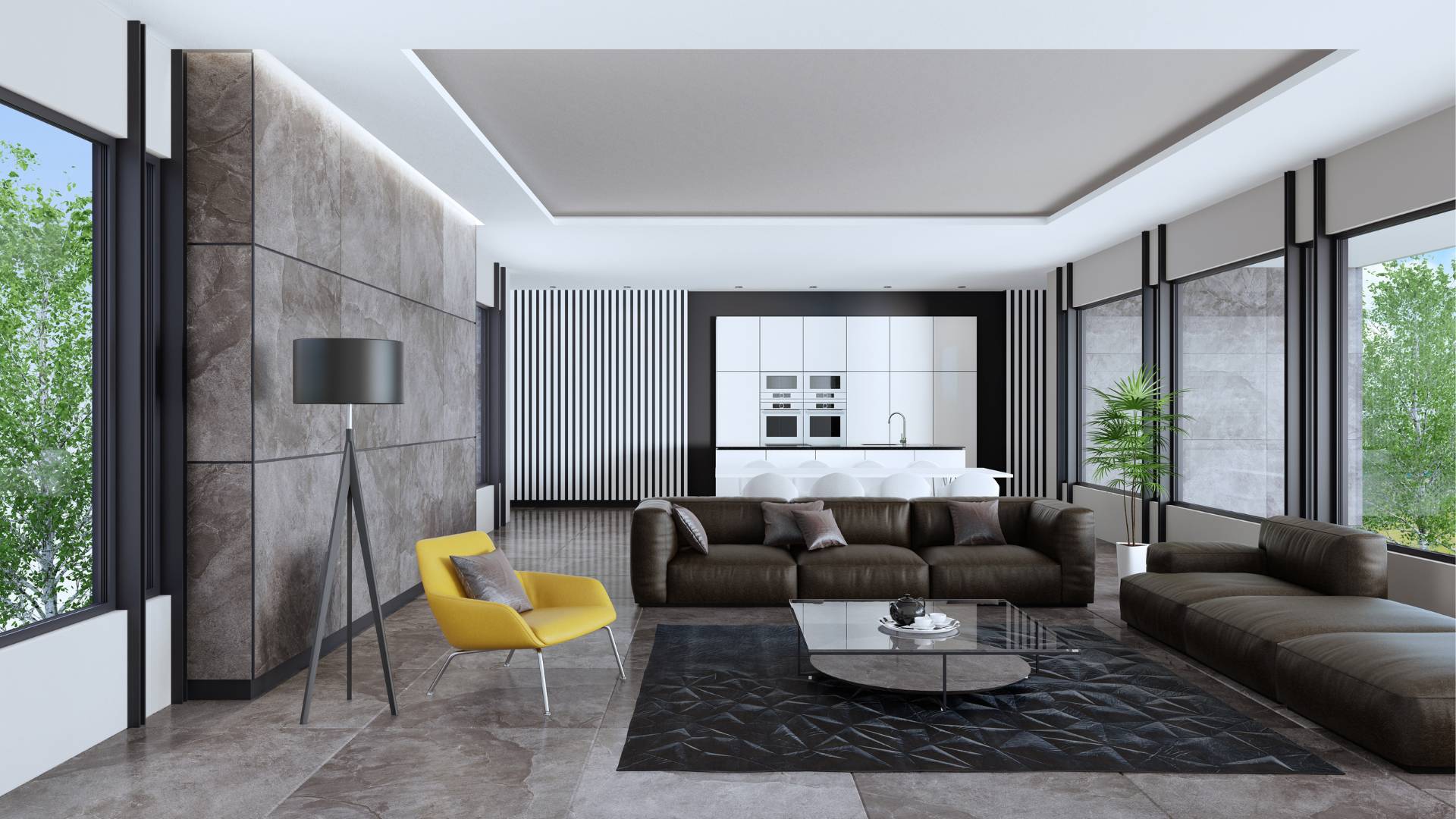
For sellers in New Hanover, Pender, and Brunswick counties, the "Staging Debate" has shifted. Five years ago, the question was, "Should I stage my home?" In 2026, the question is, "Is it worth paying $3,000 for real furniture, or can I pay $50 for pixels?"
With the rise of hyper-realistic AI and 3D rendering, virtual staging has become nearly indistinguishable from reality. However, real estate is a sensory experience, and a digital sofa doesn't help with acoustics or "flow" during an open house.
So, where should you spend your marketing budget this year? The answer depends entirely on your price point, your location, and your target buyer.
Here is the 2026 playbook for Staging in Southeastern North Carolina.
The Case for Virtual Staging (The "Click" Winner)
Virtual staging is the undisputed king of Online Curb Appeal. Since 97% of buyers start their search on Zillow, you have to win the "scroll war" before you can win the showing.
Best For:
The "Blank Slate" Condo: If you are selling a vacatant condo in Leland or Surf City, empty rooms look small and cold online. Virtual staging adds warmth and scale (showing that a king bed does fit) for a fraction of the cost.
Tenanted Properties: If your tenants in Wilmington have "college furniture" or clutter, virtual staging allows us to digitally "declutter" the photo and overlay modern furniture. It shows the potential without offending the tenant.
Flexibility: We can stage a room in Hampstead as a "Home Office" for one photo and a "Nursery" for another, appealing to two different buyer avatars simultaneously.
The 2026 Rule: Always disclose. Buyers feel tricked if they arrive at an empty house expecting a model home. We label these photos clearly online so the expectation is set before they walk in.
The Case for Real Staging (The "Emotional" Winner)
While virtual staging wins the click, real staging wins the Contract. Real estate is emotional. When a buyer walks into a home in Landfall or Porters Neck, they aren't just looking at walls; they are trying to feel if they live there.
Best For:
Luxury Listings ($800k+): At this price point, "echoey" rooms kill deals. Real rugs and sofas dampen sound and create a sense of luxury that pixels cannot replicate.
Awkward Layouts: If you have a historic bungalow in Southport with a strange "nook" or a long, narrow living room, buyers will be confused. Real furniture proves the layout works. Virtual staging only proves it works in 2D.
The "Smell & Sound" Factor: Real staging often involves subtle sensory cues—fresh linens, light music, or a pleasant scent—that trigger the "I want to live here" response.
The "Hybrid" Strategy: The 2026 Winner
For the vast majority of sellers in our region, the smartest play is the Hybrid Approach.
Stage the "Big Three": Physically stage the Living Room, Primary Bedroom, and Kitchen/Dining. These are the emotional centers of the home.
Virtually Stage the Rest: Use digital staging for the secondary bedrooms, the office, and the outdoor patio.
The Logistics: This saves you 50% on furniture rental fees while still giving the buyer that "model home" feeling when they walk through the front door.
Navigating the "Island" Logistics
A specific note for our clients on Bald Head Island or Figure Eight Island:
Real Staging here is exponentially more expensive due to ferry logistics and barge fees for moving trucks.
The Pivot: In these remote luxury markets, we often recommend "Vignette Staging" (using accessories, art, and light chairs that fit in a SUV) combined with high-end Virtual Staging. It saves thousands in logistics while keeping the home from feeling sterile.
We Know Which Lever to Pull
Staging isn't about decorating; it’s about merchandising a product. You don't need to guess which method yields the highest ROI for your specific neighborhood.
At Aspyre Realty Group, we analyze your home’s specific "buyer avatar" before we snap the first photo. We help you decide if you need the physical impact of a staged living room or the digital flexibility of a virtual renovation. Our goal is to translate your home's empty space into a buyer's "must-have" vision—using the right tools for the job.
Check out this article next