



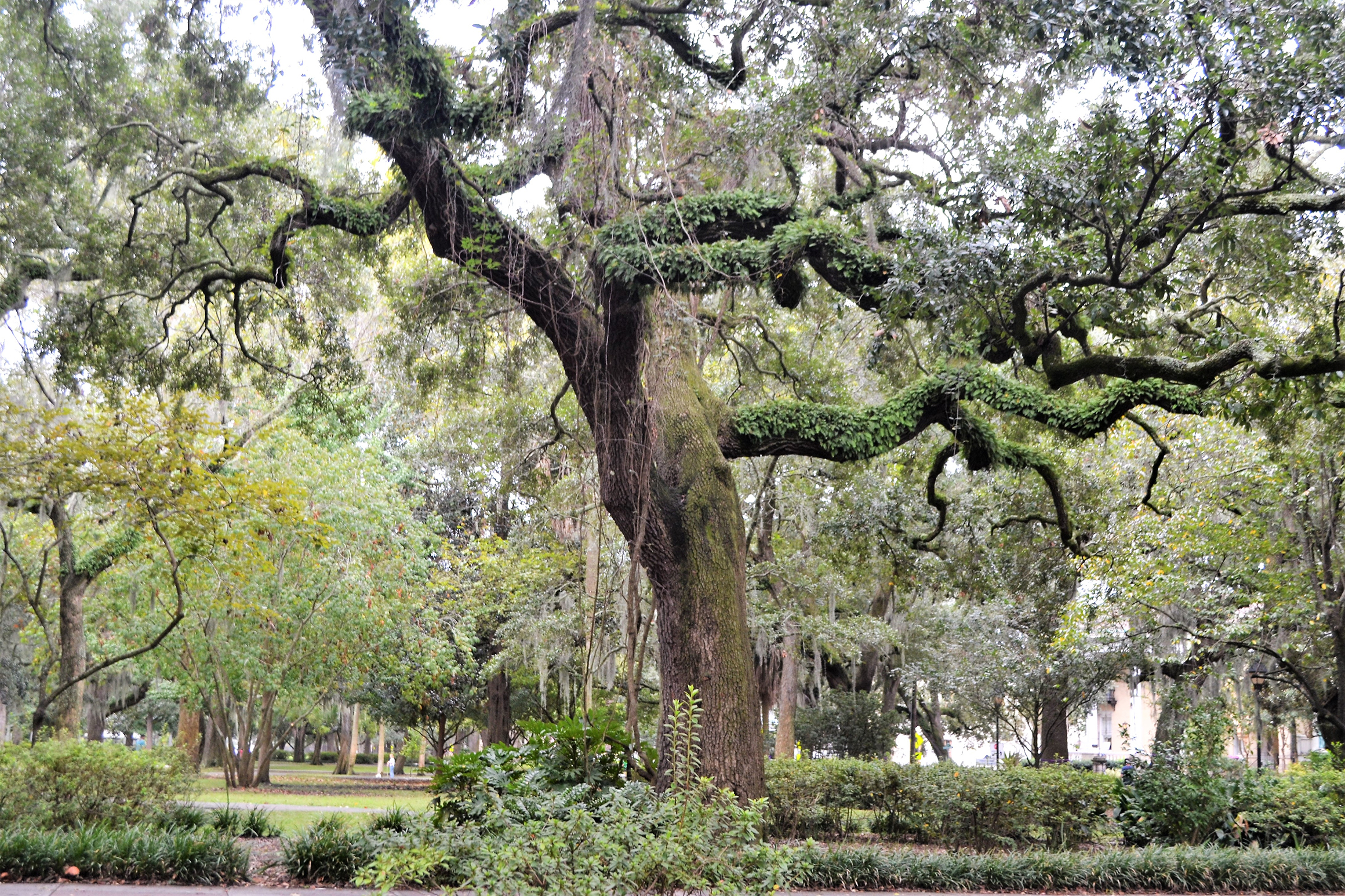
For many buyers, the quintessential image of South Eastern North Carolina isn't just the ocean—it’s a driveway lined with moss-drapaped live oaks creating a natural tunnel of shade. These "cathedral" canopies are highly coveted for their aesthetic and the natural cooling they provide during humid coastal summers.
However, buying a home in a mature tree canopy comes with a distinct set of rules. In New Hanover, Pender, Onslow, and Brunswick counties, the trees often have more legal rights than the structures beneath them. Here is where to find the best canopies and what you need to know before you buy.
Where to Find the "Old Growth" Neighborhoods
While new developments often clear-cut and replant saplings, several historic and established areas are famous for their ancient inventory.
Southport (Brunswick County): This is the crown jewel of the tree canopy. The historic downtown district is legendary, but neighborhoods like Harbor Oaks are specifically sought after for their preserved, mature maritime forests.
Wilmington (New Hanover County): Beyond the well-known historic district, look to Masonboro Sound. This area is home to massive live oaks that rival the famous "Airlie Oak."
Hampstead (Pender County): While much of Hampstead is new construction, Pecan Grove Plantation offers a unique twist. True to its name, it features rows of century-old pecan trees that create a stunning, shade-heavy archway over the main thoroughfare.
Jacksonville (Onslow County): The established neighborhoods along the New River tend to have a significantly denser canopy (up to 40% coverage in some zones) compared to the newer subdivisions near Western Blvd.
Myth vs. Reality: The "Critical Root Zone"
A common myth among investors and buyers is, "It’s my land, I can take the tree down if I want a pool." The Reality: In many coastal municipalities, specifically within Southport and Wilmington city limits, live oaks are protected by strict ordinances.
If you are buying a property with the intent to add a garage, pool, or circular driveway, you must understand the Critical Root Zone (CRZ).
- The Rule of Thumb: The protected zone often extends 1.5 feet in radius for every inch of the tree’s trunk diameter.
- The Implication: You generally cannot pour concrete or dig within this zone without a variance or a specialized "air spade" excavation plan. We have seen deals fall apart because a buyer assumed they could pave over a root system, only to find the city would not issue the permit.
The "CAMA" Factor
In waterfront areas like Oak Island or Surf City, the tree canopy often intersects with CAMA (Coastal Area Management Act) regulations. Live oaks and cedars stabilize the soil. Removing them on a waterfront lot can sometimes trigger erosion control requirements that cost thousands of dollars in retaining walls or replanting mitigation.
Your Next Step
Buying a home in a "tree heavy" neighborhood requires balancing the romance of the shade with the reality of the regulations. You need a partner who checks the survey for tree easements before you fall in love with the listing.
At Aspyre Realty Group, we are experts in listening and communicating people's wants into homes that work for them. We help you verify whether that beautiful oak tree is a stunning asset or a barrier to your future renovation plans. Let’s connect to discuss which mature neighborhoods fit your lifestyle.
Check out this article next