


Surf City is one town with two very different housing experiences. One side sits on Topsail Island between the Atlantic and the sound. The other stretches inland along N.C. 210 and U.S. 17, closer to Hampstead, the CFCC Surf City Campus, and everyday mainland errands. Buyers who treat “Surf City” as a single search filter often get frustrated. The better approach is to decide which lifestyle you want first, then shop the side that matches.
This comparison is for primary-home buyers, second-home shoppers, and relocators. It complements our Living in Surf City town guide and recent coverage of mainland corridor planning, beach projects, and winter selling conditions. Part of Surf City also extends into Onslow County; confirm county, taxes, and schools for every address.
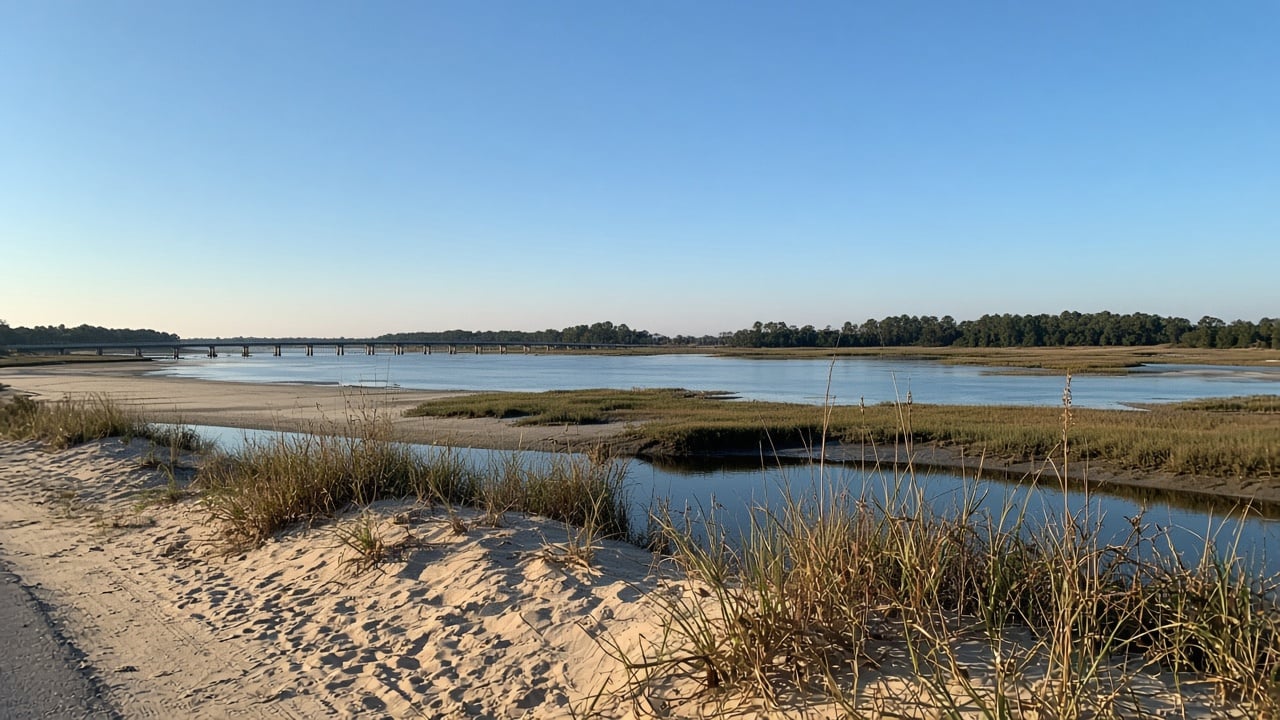
Island Surf City: Ocean, Sound, and Vacation Energy
Island living is why many people type “Surf City” into a search bar. You are closer to the pier, beach accesses, and sound-side docks. That convenience comes with coastal realities:
- Insurance and flood diligence: Oceanfront and near-ocean streets need careful flood-zone, elevation, and insurance quotes before you fall in love with a porch view.
- Bridge and traffic patterns: Peak summer weekends feel different from a Tuesday in January. If you will live there year-round, visit on both kinds of days.
- Short-term rental rules and HOA limits: Investor assumptions that worked five years ago may not match today’s town rules or building covenants. Verify before you underwrite income.
- Beach project context: Surf City has pursued major shoreline resiliency and nourishment work; oceanfront buyers should ask what has been completed, what is funded, and what assessments or access changes could affect a specific block. See our earlier notes on the federal beach project and waterline resiliency work.
Island homes can be primary residences, second homes, or rentals. Be honest about which one you are buying. The inspection list, insurance budget, and furnishing plan are not the same.
Mainland Surf City: Space, Services, and Daily Life
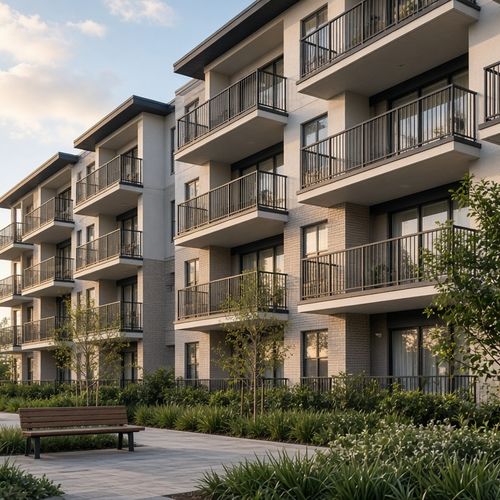
Mainland Surf City is where many year-round households actually land. You are more likely to find larger lots, newer subdivisions, and quicker access to grocery runs and medical appointments without crossing a bridge every time you need milk. Recent town planning has also focused on the N.C. 210 / U.S. 17 economic corridor, which we covered in our economic resiliency corridor guide.
Mainland advantages often include:
- Easier everyday commuting toward Hampstead, Jacksonville, or Wilmington depending on your job
- Proximity to CFCC’s Surf City Campus and growing service retail
- Potentially simpler insurance profiles than oceanfront, though flood and wind coverage still need quotes
- A quieter off-season rhythm if you want Topsail access without living inside peak tourist traffic
The tradeoff is obvious: you are not steps from the sand. Many mainland buyers treat the island as their weekend amenity and the mainland as home base. That hybrid lifestyle is common and works well when you budget time for bridge crossings in summer.
How to Choose Without Second-Guessing Yourself
- Write down your top three must-haves. Ocean view, garage, fenced yard, first-floor living, rental income, or a short school commute cannot all win.
- Price the full monthly cost. Include flood and wind insurance, HOA or town fees, bridge time, and maintenance reserves for salt air if you buy on the island.
- Tour both sides in the same weekend. Morning on the island and afternoon on the mainland (or the reverse) makes the lifestyle difference real.
- Confirm utilities and building rules. Septic versus sewer, CAMA constraints, and rental caps can change the usefulness of a property as much as the floor plan.
- Think about resale. Island properties can draw a wide second-home audience; mainland homes often appeal to year-round buyers who want Topsail proximity with everyday convenience.
A Note for Winter Shoppers
Late fall and winter are excellent times to evaluate Surf City because you see the town without summer crowds. Parking is easier, restaurants are quieter, and you can judge road noise and neighborhood feel more clearly. If you are selling instead of buying, our Surf City winter seller guide covers presentation and timing tips for this season.
FAQ
Is mainland Surf City still “beach living”?
It is Topsail-area living with fast beach access, not oceanfront living. Many residents find that to be the right balance for everyday life.
Do I need flood insurance on the mainland?
Maybe. Flood risk is lot-specific. Always check the flood map, elevation, and lender requirements for the exact address before you waive coverage.
Can I buy an island home as a primary residence?
Yes. Plenty of people live on the island year-round. Just budget for coastal insurance, maintenance, and peak-season traffic.
Want Help Comparing Specific Surf City Addresses?
Aspyre Collective helps buyers compare island and mainland Surf City homes against Hampstead, Topsail Beach, and the wider Pender County market. If you want a clear-eyed tour plan and cost comparison, contact Aspyre Collective and we will help you narrow it down.