


For real estate investors and history buffs in New Hanover County, the architecture of Wilmington tells a story much deeper than just "historic charm." If you look closely at the city's layout, you aren't just seeing old buildings; you are seeing the physical footprint of the Atlantic Coast Line (ACL) Railroad.
For decades, Wilmington was the headquarters of this massive rail network, known as the "Standard Railroad of the South." This industry didn't just employ the city; it literally shaped where and how we live today. Understanding this history gives buyers a unique lens on value and neighborhood character, from the riverfront to the "streetcar suburbs."
The Downtown Headquarters
The heart of the ACL’s empire was right on the Cape Fear River. While the headquarters moved to Florida in 1960—a seismic economic shift for the city—the "bones" remain.
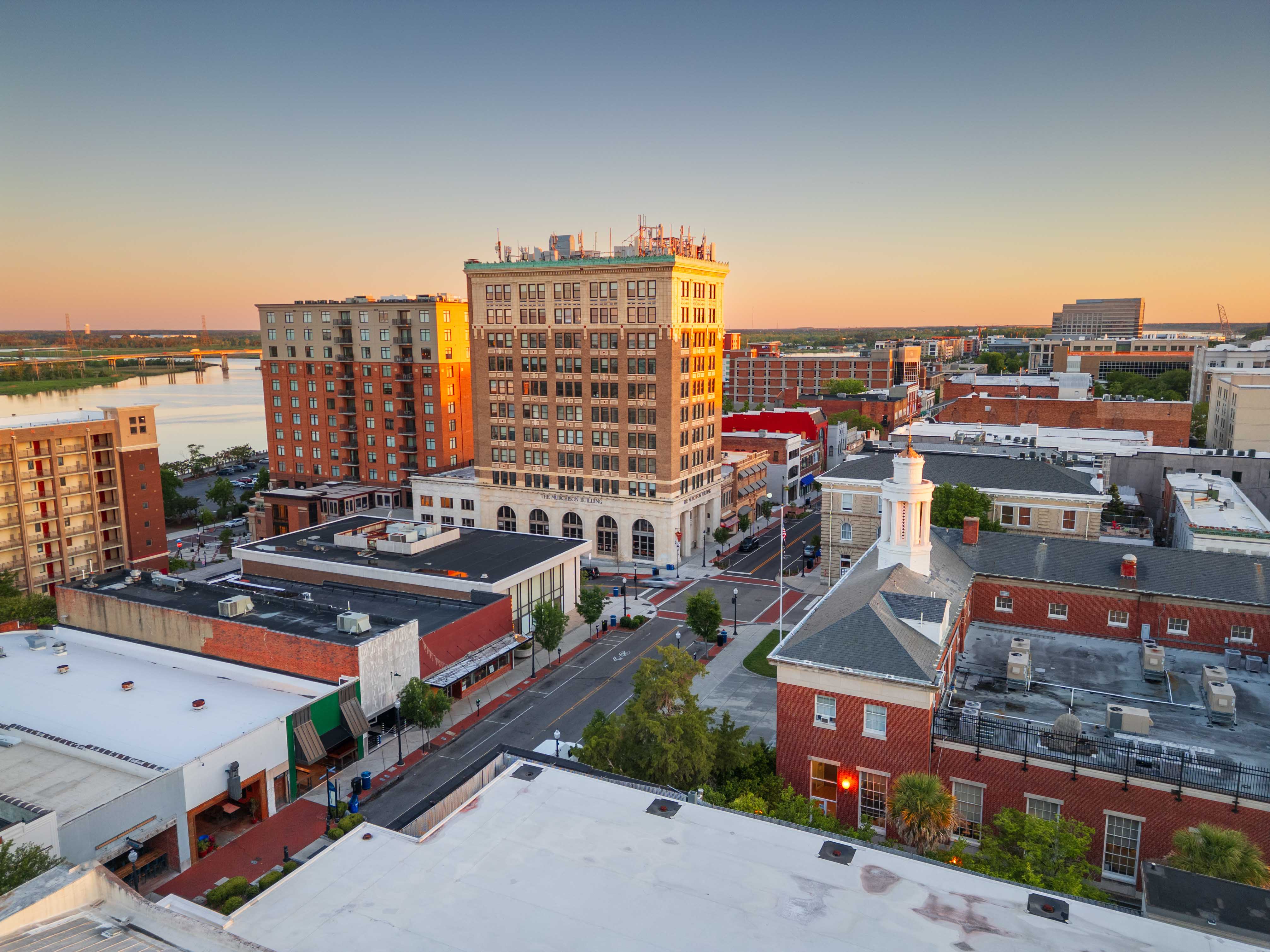
The Industrial Core: The red brick buildings at the north end of downtown, now home to Cape Fear Community College and the Wilmington Railroad Museum, were once the nerve center of the entire Southeast's rail logistics.
Architectural Legacy: The wealth generated by the railroad funded the grand commercial architecture along Front Street. When you see the heavy, Romanesque arches and intricate brickwork of downtown, you are looking at "railroad money" at work.
The "Streetcar Suburbs": Carolina Place vs. Carolina Heights
Before the railroad boom, everyone lived downtown. But as the ACL thrived, the city needed to expand. Enter the electric streetcar. The trolley lines allowed the city to stretch eastward, creating distinct neighborhoods that served different tiers of the railroad hierarchy.
Carolina Place (The Working Class Gem): Located just south of Market Street, this neighborhood was the original "affordable housing" for the working class, including many railroad clerks and conductors.
The Look: Tighter grids and modest, charming Craftsman Bungalows. Today, this is one of the hottest markets for first-time buyers and investors looking for walkability and character.
Carolina Heights (The Executive Enclave): Just across Market Street, the vibe shifts.
The Look: Larger lots with sweeping lawns and grand Colonial Revival and Neoclassical estates. This was the domain of the railroad executives and city merchants. The deep setbacks and wide avenues here were a status symbol, made possible because the owners could afford the daily trolley fare (or later, automobiles) to commute to the river.
The Beach Connection
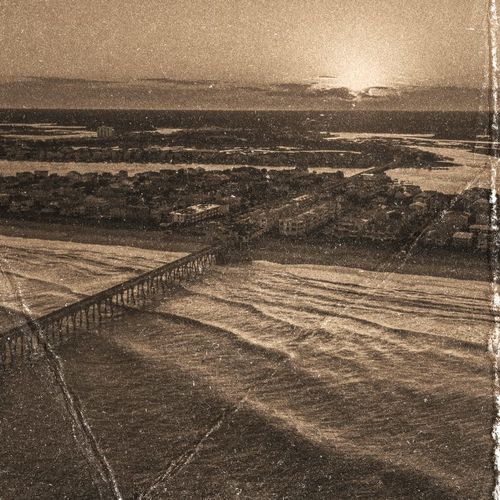
The rail influence didn't stop at 17th Street. The "Beach Car" trolley line is the reason Wrightsville Beach exists as we know it. Before the trestle was built, the beach was an isolated sandbar. The rail line connected the city to the Lumina Pavilion, turning the oceanfront into a weekend playground for Wilmington’s residents.
Your Next Step
When you are buying a historic home in Carolina Place or a renovated bungalow in Ardmore, you aren't just buying square footage; you are buying into a specific chapter of Wilmington’s growth. The difference between a "good investment" and a "money pit" often comes down to understanding these historic construction methods and neighborhood nuances.
We are experts in listening and communicating people's wants into homes that work for them—whether that means a modern condo with a river view or a restored 1920s bungalow with its original heart pine floors. Let Aspyre Realty Group help you track down the perfect piece of Port City history.
Check out this article next