



If you’re buying, selling, or refinancing a home in a flood zone anywhere from Wrightsville Beach to Carolina Beach to the low-lying streets near the Cape Fear River, mark one date on your calendar: December 11, 2026. That’s when the National Flood Insurance Program (NFIP) is set to run out of authorization again unless Congress acts. Here’s what that means in plain terms, and how to keep a closing on track.
What’s Happening With the NFIP
The NFIP doesn’t have permanent authorization. Congress renews it in short bursts, often tied to government funding bills. On September 2, 2026, the U.S. House passed a continuing resolution that funds the government at current levels through Dec. 11 and includes an NFIP reauthorization, IA Magazine reported. According to the Congressional Research Service’s brief on NFIP lapses (updated Sept. 11, 2026), the program is currently authorized until December 11, 2026, and it has been extended short-term 36 times since the end of fiscal year 2017.
This isn’t a theoretical risk. CRS notes the NFIP lapsed from October 1 through November 12, 2025, and again from February 1 to February 3, 2026.
What a Lapse Would Mean
CRS spells out what happens if Congress misses the deadline:
- No new NFIP policies. FEMA’s authority to issue new flood insurance contracts expires.
- Existing policies stay in force. Policies written before the lapse continue until the end of their one-year term.
- Claims still get paid from available funds, though the program’s Treasury borrowing authority would drop from about $30.4 billion to $1 billion.
The biggest issue for real estate is the mandatory purchase requirement. If a home sits in a FEMA Special Flood Hazard Area and the buyer is using a federally backed or federally regulated mortgage, the lender has to require flood insurance. When the NFIP can’t write new policies, those closings can stall. CRS cites estimates that during a June 2010 lapse, more than 1,400 home sale closings were canceled or delayed every day. It also notes that during the fall 2025 shutdown, some lenders suspended the flood insurance requirement for buyers. That was a lender-by-lender call, though, not a rule you can count on.
Why This Matters Here in New Hanover County
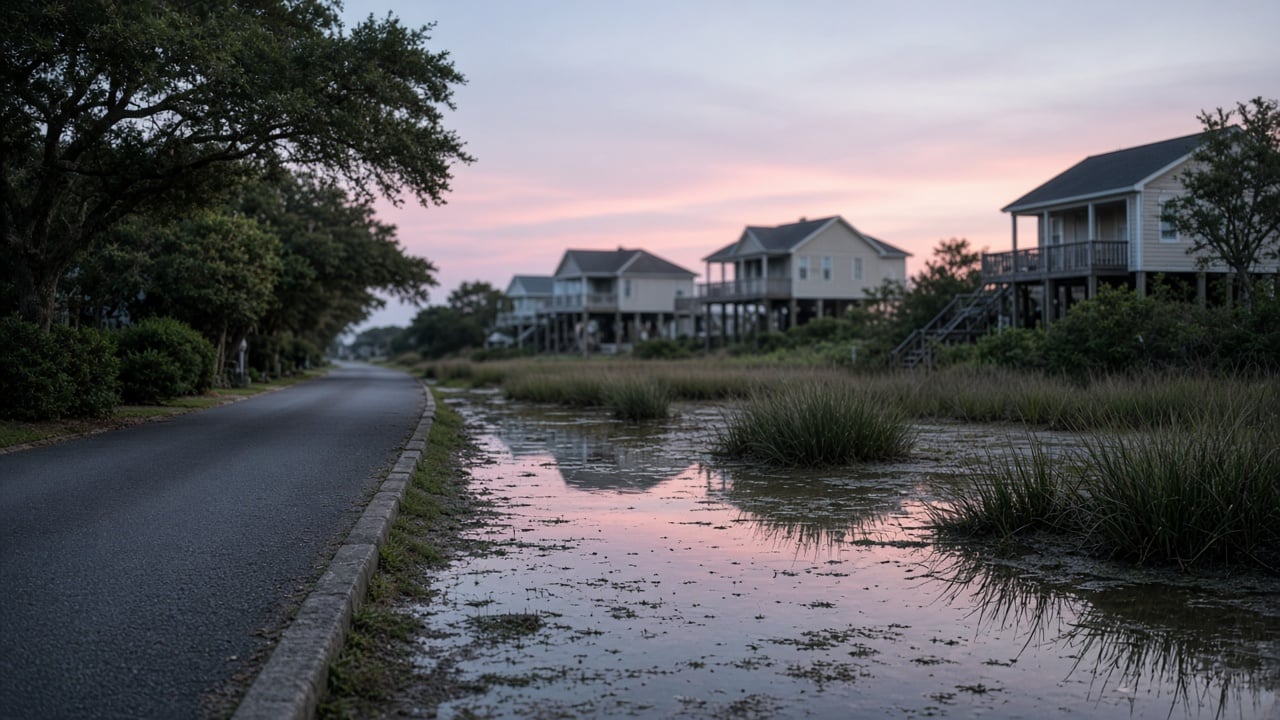
Plenty of local homes sit in or near mapped flood zones, especially on the beach towns and along the sounds, creeks, and river. We just got a reminder of how real coastal water is: WWAY reported on Oct. 27, 2026 that king tides were flooding parts of Carolina Beach, including Canal Street and the north end, where the town uses barricades to close flooded roads.
So a December lapse isn’t only a Washington story. It could hit a mid-December closing on Carolina Beach, a Wrightsville Beach condo sale, or a refinance on a creekside home in Ogden or Masonboro.
If You’re Buying
- Check the flood zone early. Look up the property on North Carolina’s Flood Risk Information System before or right after you go under contract.
- Get a flood quote during due diligence, not the week before closing. Ask your agent for both NFIP and private flood options.
- Bind early if your closing date is near Dec. 11. A policy written before a lapse stays in force for its term.
- Ask about assuming the seller’s policy. NFIP policies can often transfer to a buyer, so ask the seller and your insurance agent whether that works for your purchase.
- Know the waiting period. FEMA says NFIP policies generally have a 30-day waiting period, though there are exceptions, including coverage bought in connection with a loan closing.
If You’re Selling
- Have your flood policy details ready: declarations page, premium, and elevation certificate if you have one.
- Talk with your listing agent about timing. If buyers are likely to use federally backed financing, a closing in mid-December deserves a backup plan.
- Private flood coverage can help. CRS notes that lenders may accept private flood insurance that meets federal standards, and that market keeps growing.
If You Already Own a Flood-Zone Home
Your current policy keeps working through its term. If your renewal date lands in December, call your insurance agent now and ask how a lapse would affect your renewal and what they’d recommend.
Frequently Asked Questions
Will Congress let the NFIP lapse on Dec. 11?
Nobody can say for sure. Congress has usually extended the program, often at the last minute, but it has lapsed several times, including twice in the past 13 months.
Do I need flood insurance if my home isn’t in a flood zone?
Your lender may not require it, but it’s still worth pricing. Flooding doesn’t stop at a map line, and coverage outside high-risk zones is often less expensive.
Can I close in a flood zone during a lapse?
Possibly, with a private flood policy your lender accepts, an existing policy assigned from the seller, or a lender that temporarily waives the requirement. Each of those depends on your situation, so line them up early.
Plan Your Closing With a Local Team
A flood insurance deadline shouldn’t derail your move. We track these dates so our clients don’t get surprised at the closing table, and we can connect you with local insurance agents and lenders who know coastal properties. Talk with Aspyre Collective about buying or selling a home in the Wilmington area.