



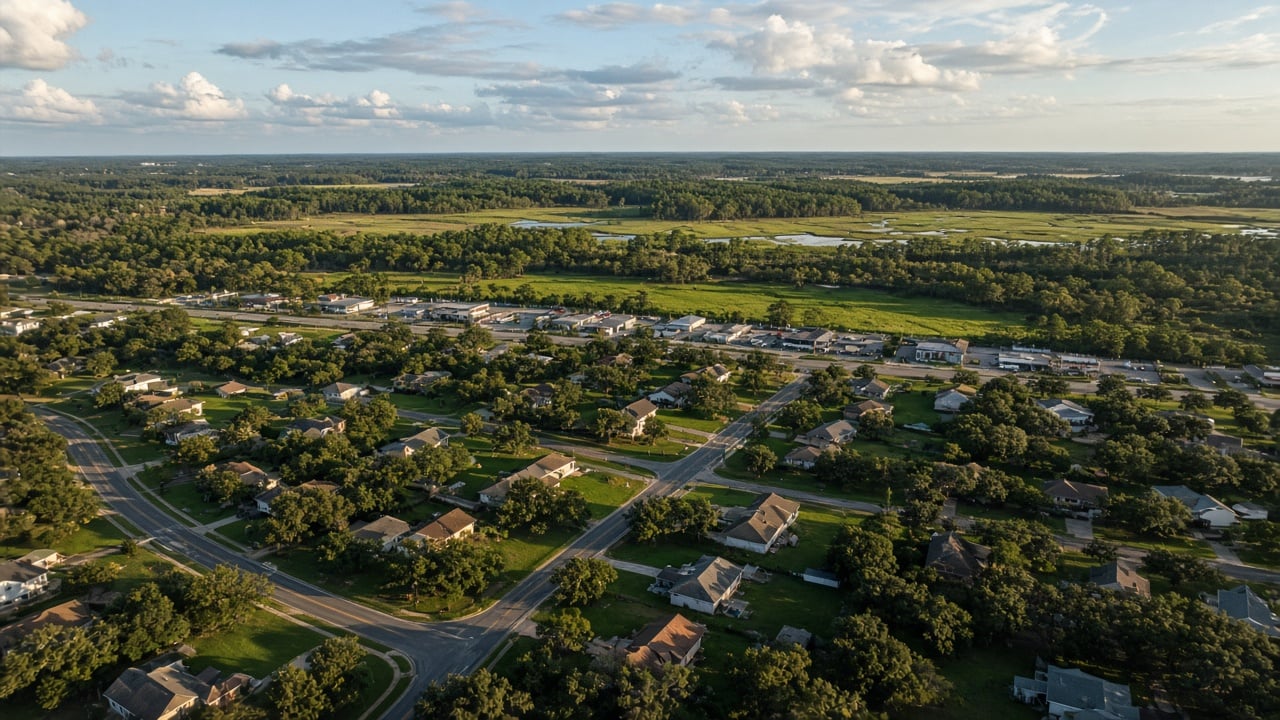
New Hanover County has a new roadmap for growth. On Monday, Oct. 5, 2026, the Board of Commissioners voted unanimously to adopt the 2026 New Hanover County Comprehensive Plan, replacing the plan the county adopted back in 2016. If you own a home in unincorporated New Hanover County, or you’re thinking about buying in areas like Ogden, Porters Neck, Castle Hayne, Murrayville, or along Carolina Beach Road, this document will quietly shape what gets built near you for years to come.
Here’s a plain-English look at what changed, what didn’t, and what it means for buyers and sellers in the Wilmington area.
What the Comprehensive Plan Is (and Isn’t)
As WilmingtonBiz reported on Oct. 6, 2026, county planning and land use director Rebekah Roth described the comprehensive plan as “the broadest land-use policy document for the unincorporated parts of New Hanover County.” It sets the long-range framework for growth, conservation, infrastructure, and community needs, and it guides future land-use decisions, development standards, and public investments.
One important point: the plan is policy guidance. It does not, by itself, rezone any property or change the development rules on your lot. Any actual changes to zoning or ordinances, and any funding to carry them out, still require separate votes by the Board of Commissioners down the road. The StarNews also walked through the changes in its Oct. 21 explainer on the new plan.
It also applies to unincorporated New Hanover County. The City of Wilmington and the beach towns (Wrightsville Beach, Carolina Beach, and Kure Beach) have their own planning documents and zoning.
Key Changes Worth Knowing
A new name and a “living document”
The plan was previously drafted under the title New Hanover County Destination 2050. According to WilmingtonBiz, the name change is meant to signal that the plan is a living document that can change and evolve over time. Practically, that means homeowners should expect updates and amendments rather than a plan that’s frozen for decades.
“Neighborhood residential” replaces “infill residential”
The plan renames the infill residential place type as neighborhood residential, which county officials said better reflects a focus on new development that is compatible with the character and scale of surrounding neighborhoods. For existing homeowners worried about out-of-scale projects next door, that language matters, because it’s the standard future rezoning requests will be measured against.
Homes allowed in mixed-use projects along major corridors
The corridor commercial place type now includes the option for residential development as part of mixed-use projects. Per WilmingtonBiz, that place type applies to parts of Market Street, Carolina Beach Road, Castle Hayne Road, and North College Road. Over time, that could mean more apartments, townhomes, or live-work options mixed in with shops and services along those roads.
A possible minimum housing code and tree ordinance
The plan introduces the possibility of a countywide minimum housing code and a division responsible for code enforcement. County Manager Chris Coudriet said the board’s priorities, including a minimum housing code, a model for proactive compliance, and work toward specifications for a tree ordinance, are direction for staff to move ahead, but each would still need further board action before it takes effect.
What It Means for Buyers
- Look at the future land-use map, not just today’s zoning. If you’re eyeing a home near a vacant parcel or a commercial corridor, the comprehensive plan gives you a sense of what the county envisions there.
- Expect gradual change along the big corridors. Mixed-use projects with housing could add walkable shops and services near some neighborhoods, along with more activity and traffic. Decide which tradeoff fits your lifestyle.
- Remember that big projects can still change. This month’s news about the proposed Hilton Bluffs subdivision in the Sledge Forest area, whose conditional approval was revoked by the county’s Technical Review Committee, as WHQR reported on Oct. 9, is a reminder that proposed developments aren’t done deals until they’re built.
What It Means for Sellers and Current Owners
For most homeowners, nothing about your property changes overnight. Still, it’s smart to know how your area is classified in the new plan. If you’re near one of the named corridors, mixed-use potential could be a selling point for some buyers and a question mark for others, so we’d talk through how to present it honestly. And if a minimum housing code eventually moves forward, it would most directly affect rental and older properties, which is worth watching if you own investment homes in the county.
The plan also leaves room for your voice. Because it’s designed to be updated, future amendments and the ordinances that implement it will come back before commissioners in public meetings.
Frequently Asked Questions
Does the new comprehensive plan rezone my property?
No. The plan provides policy guidance. Rezonings and changes to the development rules require separate actions by the Board of Commissioners.
Does it apply inside Wilmington city limits?
No. The county plan covers unincorporated New Hanover County. The City of Wilmington and the beach towns handle their own planning and zoning.
When was it adopted?
Commissioners adopted it unanimously on Oct. 5, 2026, and authorized submitting it to the state for certification. It replaces the county’s 2016 plan.
Which roads are affected by the mixed-use change?
According to WilmingtonBiz, the corridor commercial place type applies to parts of Market Street, Carolina Beach Road, Castle Hayne Road, and North College Road.
Buying or Selling in New Hanover County? Let’s Talk
Long-range plans can feel abstract, but they shape the neighborhoods we all live in. If you’d like help understanding how the new plan could affect a home you own or one you’re considering, from Ogden and Porters Neck to Castle Hayne and the Carolina Beach Road corridor, contact Aspyre Collective and we’ll walk you through it.