



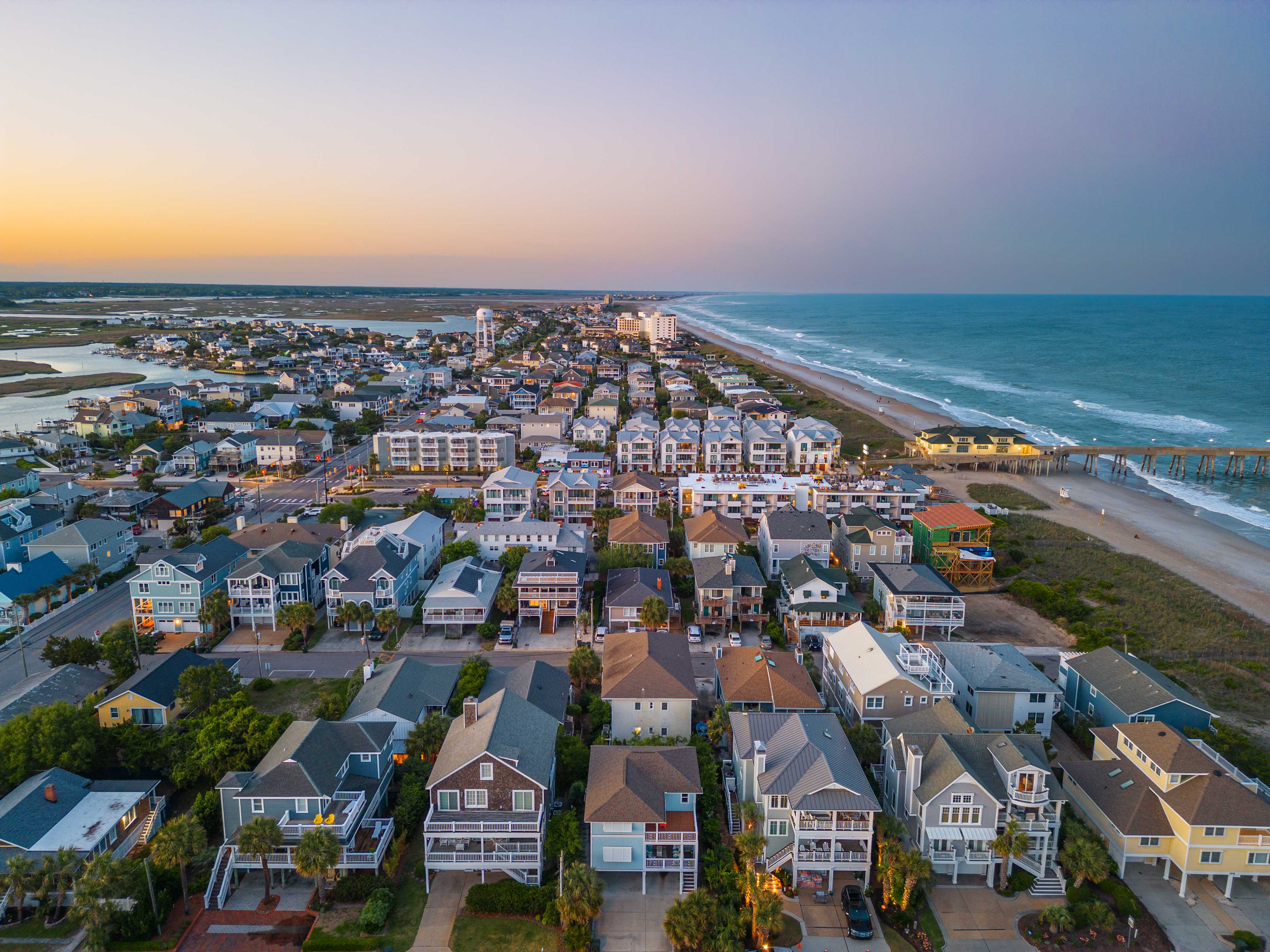
Owning a second home in Southport, Surf City, or Wrightsville Beach is a dream, but leaving it unattended for weeks at a time can be a source of constant low-grade anxiety. Is the AC running? Did a storm blow open the garage door? Is the humidity high enough to grow mold?
For second-home owners in South Eastern North Carolina, security is about more than just preventing break-ins; it is about preventing the "silent killers" of coastal property: moisture, salt, and wind. Successfully managing a vacant home requires shifting from a "monitor occasionally" mindset to a "fortify and automate" strategy.
The "Silent Intruder": Humidity Management
In New Hanover and Brunswick counties, your biggest threat isn't a burglar; it’s a failed HVAC system in August. If your AC stops running for 48 hours during a heatwave, indoor humidity can spike above 60%, triggering rapid mold growth on drywall and furniture.
The Tech Solution: Do not rely on a neighbor to check the thermostat. Install a Wi-Fi thermostat (like Ecobee or Nest) and a backup cellular humidity monitor (like MarCELL or Temp Stick).
Why Cellular? Barrier islands like Topsail often experience internet outages during storms. A cellular monitor runs on a battery backup and uses cell towers to alert you of power failures or temp spikes even when the Wi-Fi is dead.
Salt-Proofing Your Security Hardware
Many "smart home" devices sold at big-box stores are not built for our salt-air environment. Standard smart locks and cameras often corrode within 18 months if installed on an oceanfront home.
Camera Selection: Look for cameras with an IP66 or IP67 weather rating. Avoid battery-only models if you aren't there to change them frequently; hardwired Power over Ethernet (PoE) cameras are far more reliable.
Mechanical Over Digital: For beach access doors, digital keypads often fail due to salt corrosion on the circuit boards. We often recommend mechanical, marine-grade push-button locks (like Lockey) for ground-level storage areas, as they have no electronics to corrode.
The "Nuisance Alarm" Trap
Before you install a monitored security system, you must know the local ordinances. Police departments in Wilmington, Jacksonville, and Surf City are cracking down on false alarms.
Registration is Mandatory: Most counties, including New Hanover and Onslow, require you to register your alarm system. Failure to do so can result in fines starting at $50–$100 for a single false dispatch.
The Fine Print: In New Hanover County, fines escalate quickly—often starting with the second false alarm. Ensure your system has a "verify before dispatch" protocol with your monitoring company to avoid paying hundreds in fines for a loose door sensor rattling in the wind.
Storm Shutters: A Permitting Reality Check
If you plan to install permanent roll-down shutters for "lock and leave" peace of mind, do not skip the paperwork.
CAMA Implications: If your home is oceanfront or in an Area of Environmental Concern (AEC), adding permanent exterior shutters can sometimes trigger a CAMA Minor Permit review. Always consult the Local Permit Officer (LPO) before drilling into your siding, as unpermitted exterior work in an AEC can lead to significant fines and forced removal.
Your Next Step
A true "lock and leave" home should work for you, not worry you. It requires the right combination of durable hardware and automated monitoring.
At Aspyre Realty Group, we are experts in listening to your lifestyle needs and communicating them into a home search that works for you. We can help you identify properties that are already equipped with durable storm protection and guide you toward local vendors who understand the specific demands of our salt-air climate. Let’s evaluate the security profile of your potential second home together.
Check out this article next