



The Strategic Advantage: Why Hire a Private Inspector as a Buyer
Hiring a private home inspector is one of the most critical steps in the homebuying process. It is a vital service that provides the buyer with an unbiased, detailed assessment of the property's condition, moving far beyond what the seller or even the appraiser can disclose.
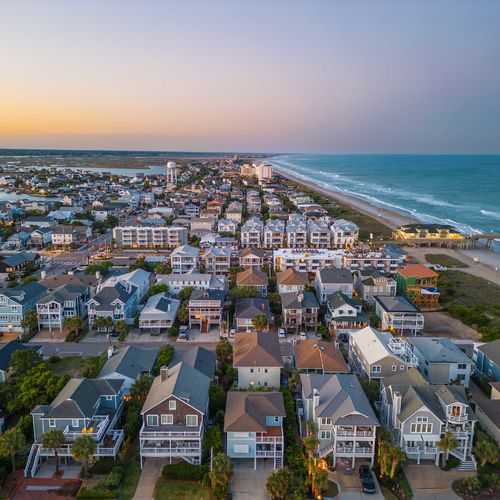
In the Southeastern North Carolina coastal market (New Hanover, Pender, Onslow, and Brunswick counties), where homes face unique stresses from salt, humidity, and hurricane threats, a thorough inspection is not just a formality—it is a necessary due diligence step that informs your entire purchase.
1. Risk Mitigation and Financial Protection
The inspector's report is your primary tool for uncovering major financial liabilities before you close.
- Uncovering Major Defects: Inspectors identify material defects—HVAC issues, roof failure, foundation settlement, electrical hazards, or plumbing problems. Discovering a $15,000 roof replacement or a $10,000 structural repair before closing allows you to negotiate or walk away.
- The "Due Diligence" Decision: North Carolina’s Due Diligence Period gives buyers the right to investigate the property. The inspection report is the factual basis for deciding whether to proceed, renegotiate, or terminate (losing only your Due Diligence Fee—typically far less than large repair costs).
- Safety and Health Concerns: Inspectors identify immediate hazards—faulty wiring, improper ventilation, structural instability—and determine if additional specialized testing (radon, mold, lead-based paint) is warranted.
2. Negotiation Leverage and Cost Savings
The inspection report provides the leverage needed to negotiate better terms with the seller.
- Repair Credits: If repairs are needed, buyers can request a seller credit toward closing costs or the final price, allowing them to complete the work themselves after closing.
- Price Adjustments: Major structural or system-related defects can justify a reduction in the sale price, generating significant savings.
- Prioritized Maintenance List: Even if you move forward without credits, the report becomes a roadmap for future upkeep, helping you budget for upcoming repairs before they escalate.
3. Coastal-Specific Expertise
Inspectors in coastal North Carolina are trained to identify problems specific to salt-air environments and hurricane-prone regions.
- Moisture Intrusion and Mold: High humidity and storm exposure increase the risk of moisture problems in attics, crawl spaces, and older homes.
- Salt Corrosion: Inspectors check for rust and corrosion on exterior metal components, HVAC units, and roofing from salt exposure.
- WDI Reports: Many inspectors coordinate termite and wood-destroying insect evaluations—critical in the Southeast.
- Crawl Space and Foundation Integrity: Coastal homes often sit on crawl spaces or pilings. Inspectors evaluate water intrusion, vapor barriers, drainage, and structural stability.
4. Knowledge and Documentation
The report serves as a comprehensive owner’s manual for your new home.
- System Location: The report notes the location of shut-off valves, electrical panels, HVAC units, and other essential systems.
- Maintenance Schedule: Inspectors log the age and condition of roofs, HVAC systems, and water heaters—helping you plan for replacement timelines.
Aspyre Realty Group: Your Knowledge-Based Partner
Hiring an experienced, certified private inspector is the most responsible use of your Due Diligence period funds. We always recommend using an inspector familiar with coastal construction methods and regional risks.
At Aspyre Realty Group, we track every rezoning application, monitor new home inventory from national and local builders, and analyze infrastructure plans. We're experts in helping you navigate the real estate market because of this knowledge, ensuring the inspection process is thorough and the resulting negotiations work in your favor.
Check out this article next