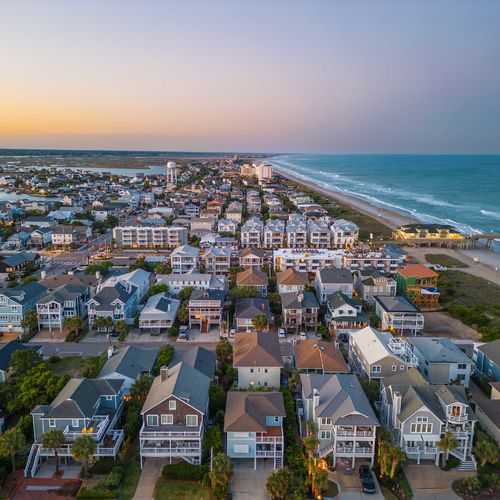




For many buyers in New Hanover and Brunswick counties, a condo feels like the “easy button.” You get the beach lifestyle without mowing a lawn or climbing on a roof. But in late 2025, that convenience hides financial landmines—ones that don’t show up on a friendly MLS listing.
Single-family homes have maintenance risks. Condos have association risks. And on the coast, those risks multiply because insurance volatility, salt air, and aging buildings collide.
Before falling in love with a Wrightsville Beach oceanfront condo or a Carolina Beach marina unit, here are the costs you must evaluate.
1. The “Special Assessment” Surprise
HOA dues are predictable. Special Assessments are not. They are one-time charges billed to every owner when the association’s budget can’t cover a major cost.
The Coastal Reality: Inland assessments often involve simple repairs. Coastal assessments involve:
- water intrusion,
- salt-related structural damage,
- insurance premium deficits.
2025/2026 Warning: After the June 2025 ~16% insurance rate hike for coastal territories, many HOAs instantly went into deficit. If the board didn’t plan for that increase, the shortfall gets pushed directly to owners.
Typical Hit: $2,000–$10,000 per unit for mid-size coastal associations.
2. The Reserve Study Loophole
Here’s the most dangerous flaw in NC condo law:
North Carolina does NOT require HOAs to conduct a Reserve Study.
A Reserve Study is a structural engineering audit that calculates the lifespan and replacement cost of major components like roofs, elevators, siding, stairs, and concrete slabs. It tells you how much money the HOA should have saved.
The Trap: Many older condos in Kure Beach, Surf City, and Carolina Beach skip Reserve Studies to keep dues low—and new buyers never know they’re walking into a severely underfunded association.
Your Rule: Never buy a condo without reviewing the most recent Reserve Study. If none exists, that’s a flashing red siren.
3. The “Capital Contribution” Fee
Most buyers don’t find out about this until the Closing Disclosure drops.
What It Is: A one-time “buy-in” fee charged by the HOA at closing, meant to boost reserve funds.
Typical Cost: Two to three months of HOA dues. Often $1,000–$2,500.
The Problem: It’s rarely (if ever) listed in the MLS. You need your agent to pull the community’s Resale Certificate early to get the real number.
4. The “Loss Assessment” Coverage Gap
Your HO-6 condo insurance does NOT cover you if the HOA hits every owner with a major assessment because:
- the master policy deductible is massive,
- the HOA gets sued,
- the clubhouse roof fails,
- a hurricane exhausts the association’s reserves.
Solution: Add Loss Assessment Coverage to your HO-6 policy.
Cost: About $20–$50/year.
Why it matters: Coastal master policies often have 5% wind/hail deductibles. A building valued at $10 million can trigger a six-figure deductible—passed down to the owners.
5. Dredging: The Hidden Waterfront Tax
If the condo includes a boat slip or sits on a community marina, you own a share of that basin.
The Problem: Coastal basins shoal and must be dredged every 3–5 years.
Dredging Cost: $10,000+ per owner is common, especially when EPA permits are required.
Your Question: “When was the last dredge, and is there an active permit for the next one?”
The Bottom Line
Condos can be amazing—but only if you understand what you’re buying into. You are not just buying a unit. You are buying a slice of a business with shared financial liabilities.
At Aspyre Realty Group, we treat condo purchases like forensic accounting. We review meeting minutes, examine reserve balances, and assess insurance structures—so you aren’t blindsided by a $7,000 assessment.
Check out this article next