


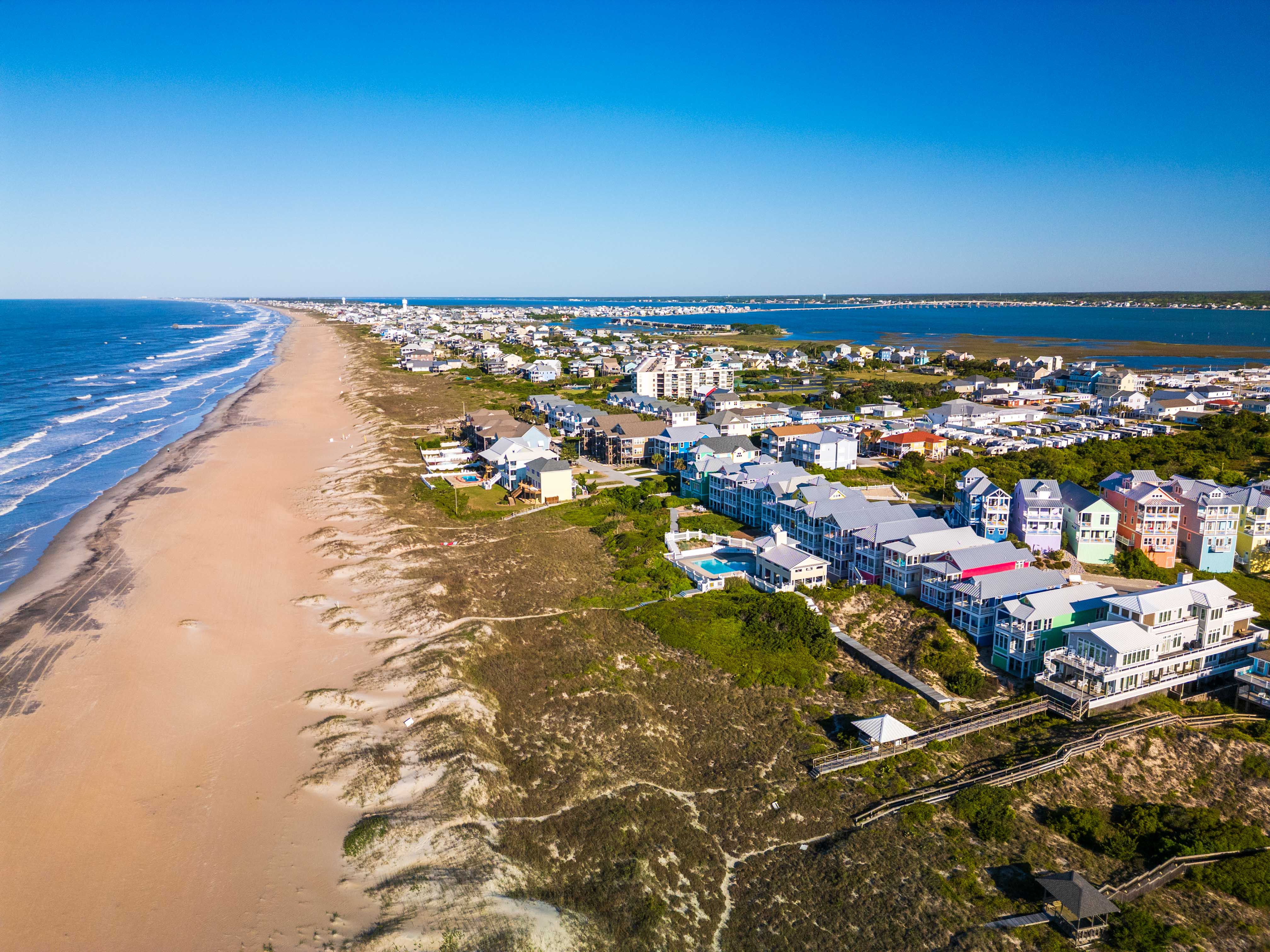
Owning a vacation home in Wrightsville Beach, Surf City, or Oak Island comes with a common social pressure: friends and extended family asking to use the property for a weekend. It seems harmless to say "yes," especially when no money changes hands.
However, in the eyes of North Carolina law and insurance adjusters, a "free" stay is legally complex. For second-home owners in New Hanover and Brunswick counties, blurring the line between a "social guest" and a "tenant" can expose you to significant liability gaps and even void your insurance coverage.
The "Reasonable Care" Trap
Many owners assume that because they aren't charging rent, they aren't liable if a friend gets hurt. This is false. North Carolina law creates a duty of reasonable care for all lawful visitors.
If a friend trips on a loose deck board in Hampstead or falls down a staircase in Ocean Isle, you can be sued for negligence.
The "Subrogation" Surprise: Even if your best friend swears they would never sue you, they may not have a choice. If they are injured and require $50,000 in medical care, their health insurance provider often has the right to sue your insurance provider to recoup costs. This is called subrogation. If your policy has a loophole, that bill could come directly to you.
The Danger of "Consideration"
The most common mistake we see in Onslow and Pender counties is owners accepting "just a little bit" of money to cover costs.
The Scenario: You let a coworker stay at your Topsail beach house. You don't charge rent, but you ask them to pay the $200 cleaning fee or cover the electric bill for the week.
The Legal Shift: In real estate law, this is called consideration. Once money or services (like painting a room in exchange for a stay) change hands, a guest can legally morph into a tenant.
The Consequence: Standard homeowners policies often have strict exclusions for business activities. If an insurer determines that the $200 cleaning fee constituted a rental arrangement, they may deny a liability claim entirely because you did not have a landlord or vacation rental endorsement.
Strategic Protection: The "Zero-Dollar" Rule
To protect your asset, you must be disciplined about how you classify guests.
Keep it 100% Free: If you let friends stay, do not accept cash, Venmo, or covering the utility bill. If they want to say thank you, let them buy you dinner off-premises. Keeping the transaction purely social helps maintain their status as a guest rather than a tenant.
The Umbrella Policy: If you own a second home in a coastal zone with high-risk amenities (pools, docks, boat lifts), a standard $300,000 liability limit is insufficient. An umbrella policy offers an additional $1 million+ in coverage for a relatively low annual cost.
Inspect Your "Attractive Nuisances": In coastal NC, salt air corrodes deck fasteners and railing lags rapidly. Reasonable care means you must regularly inspect these areas. If a railing fails because you ignored rust for three years, that is negligence.
Your Next Step
Owning a second home should be a joy, not a legal burden. The difference between a safe favor and a financial disaster is often just knowing where the legal lines are drawn.
At Aspyre Realty Group, we are experts in listening to your lifestyle goals and communicating those wants into homes that work for you. We help you understand not just the purchase price, but the operational realities of owning coastal real estate. Let’s sit down and review your current usage plan to ensure your assets are properly structured for both fun and protection.
Check out this article next