


For equestrian buyers in South Eastern North Carolina, the dream is vivid: a sprawling pasture with live oaks for shade and a short trailer ride to gallop on the beach. However, turning that dream into reality in Pender and Brunswick counties requires navigating a minefield of zoning laws, soil drainage issues, and seasonal regulations.
Finding a property where your horses will be as happy as you are involves looking beyond the barn and checking what lies beneath the grass.
Myth vs. Reality: The "High and Dry" Dilemma
In the coastal plain, "acreage" does not automatically equal "pasture."
Myth: "I can buy any large tract in Bolivia or Burgaw and clear it for horses."
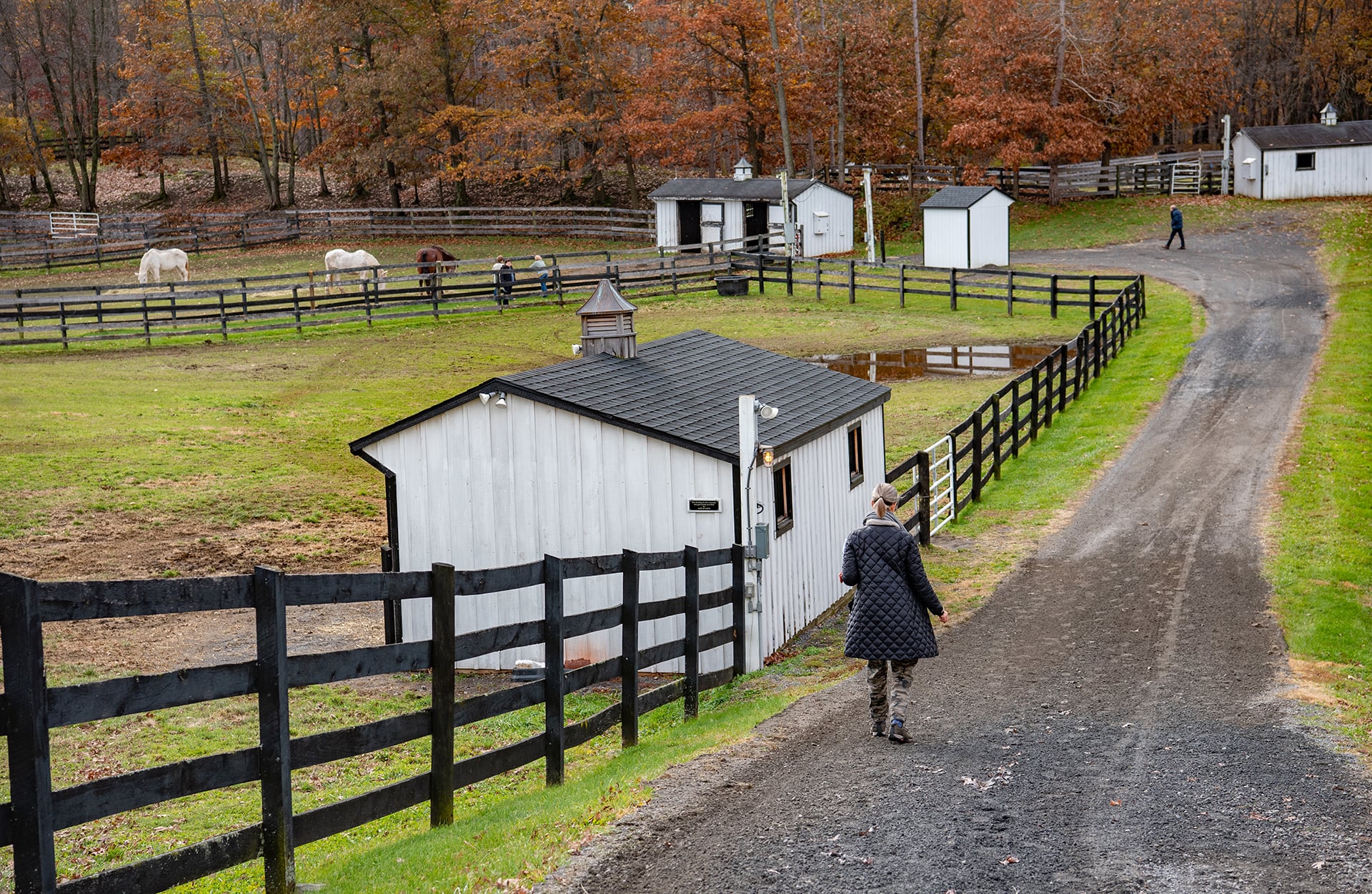
Reality: Much of the undeveloped land in our region is "pocosin" (wetland) or heavy clay that holds water like a bowl. Horses standing in wet mud for days develop hoof rot and thrush. You need to hunt specifically for "sandy loam" soil types (like the Pender Soil Series). These soils drain quickly after our frequent thunderstorms, keeping pastures stable and hooves dry.
The Insider Tip: Look for land in Rocky Point (Pender) or the Ash community (Brunswick). These areas sit on slightly higher ridges where the soil composition is historically better suited for grazing and agriculture.
The Logistics of "Beach Riding"
Many buyers move here specifically for the beach riding lifestyle, but they are often blindsided by the regulations.
The Seasonality Rule: You cannot ride on the beach in July. Popular spots like Freeman Park (Carolina Beach) or Emerald Isle (further north) strictly limit horse access to the "off-season"—typically October through March.
The Paperwork: It’s not just about showing up. You often need a daily permit and a negative Coggins test (proof of Equine Infectious Anemia vaccination) on hand to even unload your trailer.
The Trail Network: Since beach riding is seasonal, your property needs year-round riding utility. Look for communities near the Brunswick Nature Park or established private trail networks in Hampstead, so you aren't stuck riding in circles in your own paddock during the summer.
The Support Network: Feed, Vets, and Farriers
An equestrian estate is only as good as its support system. In New Hanover and its surrounding counties, the infrastructure is rural but robust if you know where to look.
The Hubs: Locals know that places like Scott’s Farm & Family (locations in Leland and Shallotte) are more than just stores—they are information hubs for hay sourcing and soil testing.
Vet Care: You aren't reliant on a single town vet. We are served by excellent mobile equine practices that cover the territory from Supply to Surf City, ensuring top-tier care right in your driveway.
Your Next Step
Buying horse property is perhaps the most complex transaction in residential real estate. You aren't just inspecting a house; you are inspecting soil drainage, barn integrity, and zoning setbacks for manure management. A mistake here isn't just an inconvenience; it’s a health risk for your animals.
We are experts in listening and communicating people's wants into homes that work for them—and their four-legged family members. Whether you need a turnkey training facility in Pender County or a private mini-farm in Brunswick, let Aspyre Realty Group guide you to the properties where your equestrian lifestyle can truly flourish.
Check out this article next