



In the excitement of buying a home in South Eastern North Carolina, many buyers look at the property lines on a map and assume that everything inside that box is theirs to control 100%.
The reality? Your land is likely crossed by invisible "highways" that allow others to enter, dig, or travel through your backyard. These are called easements, and in counties like New Hanover and Pender, ignoring them can lead to expensive legal battles or the sudden realization that you can't build the swimming pool you’ve been dreaming of.
The Basics: What is an Easement?
Simply put, an easement is a legal right for someone else—a neighbor, the government, or a utility company—to use a specific portion of your land for a specific purpose. You still "own" the land, but you cannot block their access.
The Three "Big Ones" in Coastal NC
1. Utility Easements (The Silent Deal Killer)
This is the most common type in Wilmington and Leland subdivisions.
The Reality: You might have a 10-foot easement running along your back fence line for Duke Energy or CFPUA (Cape Fear Public Utility Authority).
The Catch: You generally cannot build permanent structures here. We have seen buyers close on a home planning to install an in-ground pool, only to find out the utility easement cuts right through the only flat spot in the yard.
Insider Tip: Even if there is no physical wire or pipe now, if the easement exists, the utility company has the right to dig up your prize-winning azaleas to install one later.
2. Shared Driveways (Access Easements)
Common in rural Onslow and Brunswick counties, especially with large tracts of land that have been subdivided over time.
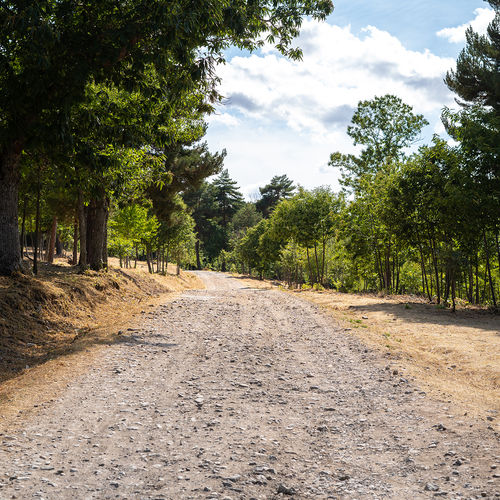
The Reality: You own the long gravel driveway, but your neighbor behind you has an "ingress/egress" easement to drive over it to get to their house.
The Catch: You cannot gate it off, and unless there is a maintenance agreement (as discussed in our previous post), disputes often arise over who pays to fill the potholes.
3. The Coastal Special: CAMA & Beach Access
If you are looking at oceanfront or second-row homes in Surf City, Oak Island, or Wrightsville Beach, you must understand CAMA (Coastal Area Management Act) access points.
The Reality: That path through the dunes on the side of "your" property might actually be a designated public beach access.
The Catch: You cannot block it, landscape over it, or restrict the public from using it. Look for the small blue and orange signs—these indicate state-sanctioned access that overrides your desire for privacy.
Strategic Advice: The Survey is Your Bible
A standard title search should find these, but the only way to "see" them is a professional survey.
Myth: "I can see the fence, so I know where the property ends."
Reality: Fences in older neighborhoods like Forest Hills or downtown Southport are notoriously inaccurate. A survey will draw the easements directly onto the map of the house, showing you exactly where you can and cannot build.
Your Next Step
Don't let a line on a paper dictate your future happiness. You need a team that reads the fine print before you sign the offer.
At Aspyre Realty Group, we are experts in listening to your vision—whether it's a backyard oasis or total privacy—and communicating that into homes that actually work for you. We help you identify these hidden restrictions before money changes hands. Let’s review your potential property survey together to ensure your dream home doesn't come with unwanted guests.
Check out this article next