



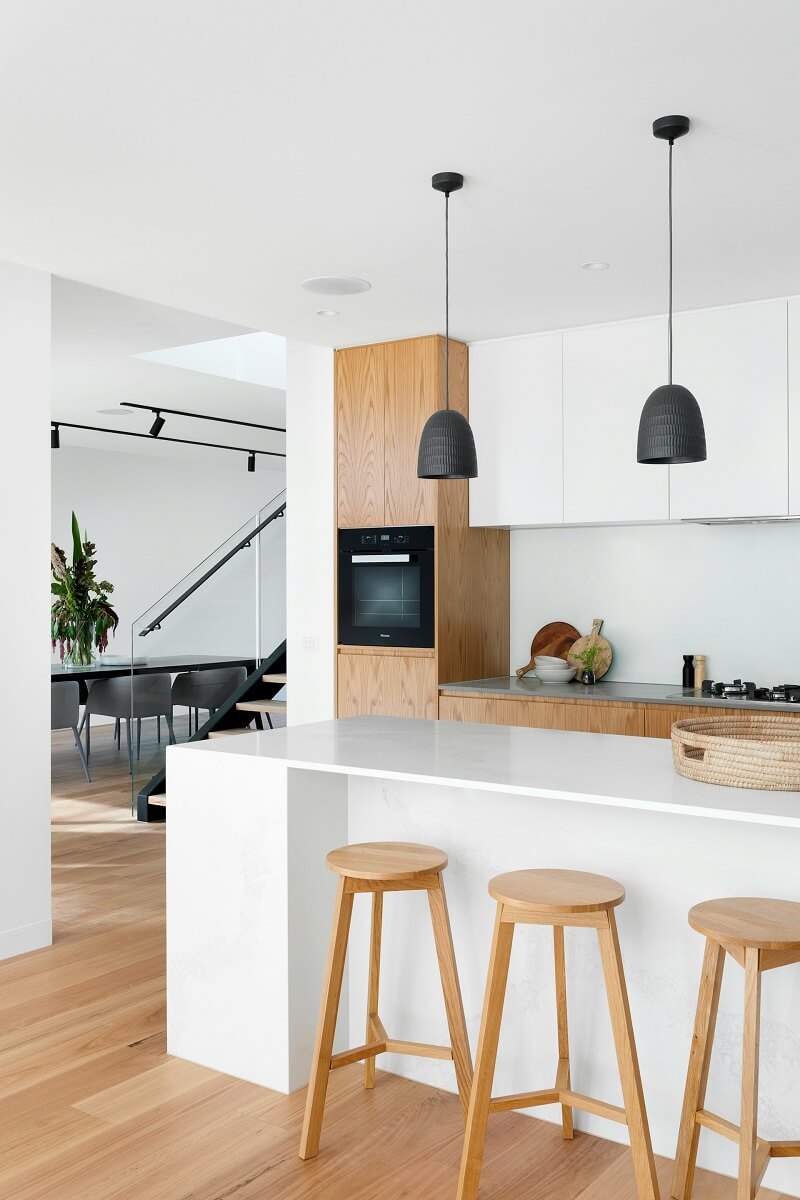
For many of our clients in New Hanover, Pender, and Brunswick counties, the dream of retiring to the coast comes with a specific mathematical problem:
You are moving from a 3,000-square-foot home with a basement to a 1,800-square-foot cottage on pilings.
The "Downsizing Dispute" is a rite of passage. It’s the argument over the oversized mahogany dining table that won't fit in a casual coastal dining room, or the boxes of holiday decor that have no place in a home with zero attic space.
Moving to the coast requires a lifestyle edit. To keep your sanity (and your closing date), you need a strategy that separates the "treasures" from the "anchors." Here is your guide to rightsizing your possessions for the Cape Fear lifestyle.
1. The "Coastal Casual" Reality Check
The first step is accepting that your furniture needs to change. The heavy, dark wood pieces that looked regal in a colonial home often feel suffocating in a breezy, light-filled coastal property.
The Climate Factor: Our humidity and salt air are tough on certain materials.
- Keep: Teak, acacia, glass, and performance fabrics that resist mildew and fading.
- Ditch: Heavy velvet, intricate wood carvings, and cheap metal patio pieces that will rust quickly.
The Aesthetic Shift: Coastal living is about airiness. If a piece of furniture blocks a sightline to the water or the marsh, it has to go. Swap the tall china cabinet for floating shelves or a low credenza.
2. The "No Basement" Challenge: Mastering Vertical Storage
In Wilmington and Topsail, basements are nearly nonexistent. You lose the "catch-all" zone many inland homes rely on.
The Solution: Think vertical and under-structure.
Ground Level Storage: If your new home is on pilings (common in Surf City or Oak Island), maximizing this area is critical.
- VE Zones: Limited to breakaway walls. Use weather-proof bins stored on elevated industrial shelving.
- AE Zones: You may enclose storage if built with flood-resistant materials and venting.
3. Where to Sell the "Good Stuff" (Local Resources)
You don’t have to discard valuable items. Coastal NC has an excellent consignment and estate sale ecosystem.
High-End Furniture & Antiques:
- Wilmington: The Ivy Cottage, South End Exchange, Home Again Fine Consignments.
- Brunswick County: Second Glance Luxury Consignment (OIB), Wicked Good Retro (Southport), Nell’s Fine Consignment (Calabash).
Estate Sales: Caring Transitions (Leland/Southport) and Magnolia Estate Sales can handle entire-home liquidation.
4. The "Donate" Strategy
For useful but non-luxury items, local charities are eager for donations.
- Southport–Oak Island Habitat ReStore: Offers furniture pickup.
- Vintage Values (Wilmington): Supports Domestic Violence Shelter & Services.
- Safe Haven Thrift (Hampstead): A strong local cause with steady demand.
5. The "One-Year" Rule for Coastal Toys
New coastal residents often overbuy—kayaks, paddleboards, surf rods, beach gear.
The Rule: Wait one year.
Why: Storage is limited, and you may discover your true coastal routine leans toward boating, golf, or walking trails instead of paddling.
Rent first. If you use it at least five times in a season, then buy it.
The Bottom Line
Downsizing isn't about losing things; it’s about gaining freedom. Every box you don’t move is one less item to insure, maintain, or haul during a hurricane evacuation.
At Aspyre Realty Group, we help clients visualize life in their new space. During Due Diligence, we can measure rooms and storage areas to tell you definitively: “The sectional fits—but the piano does not.”
Check out this article next