


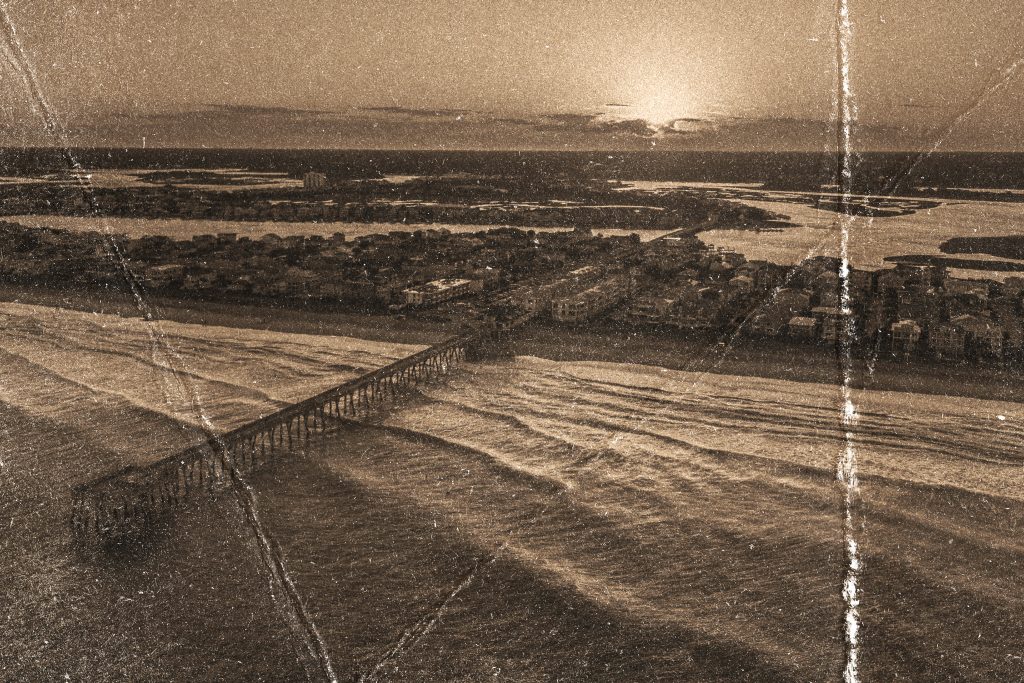
For residents of New Hanover and Brunswick counties, the Cape Fear River is a scenic backdrop for sunset cruises and waterfront dining. But 300 years ago, this same estuary was the "Wild West" of the Atlantic—a notorious hideout where the Golden Age of Piracy made its final, bloody stand.
When you look out at the water from Southport or Bald Head Island, you aren't just seeing a shipping channel; you are looking at the exact coordinates of a major naval battle that shaped American history.
The Geography of a Hideout
Why did pirates love the Cape Fear? The answer lies in the shoals. The mouth of the Cape Fear River (near modern-day Caswell Beach and Bald Head) was historically guarded by the treacherous Frying Pan Shoals. These shifting sandbars were a nightmare for the heavy, deep-draft warships of the British Royal Navy.
The Pirate Advantage: Smaller, nimble pirate sloops could navigate the shallow, twisting channels to hide upriver, while their pursuers would run aground.
The Careening Spot: Pirates used the quiet creeks off the main river—like the aptly named Bonnet’s Creek near Southport—to "careen" their ships (beach them at high tide to scrape barnacles off the hull).
The "Gentleman Pirate" and the Battle of the Sandbars
While Blackbeard (Edward Teach) famously frequented our coast—and even blockaded Charleston—the Cape Fear River belongs to the legend of Stede Bonnet. Known as the "Gentleman Pirate," Bonnet was a wealthy landowner from Barbados who bought his own ship (a rarity in piracy) to escape an unhappy marriage.
In September 1718, Bonnet was hiding his ship, the Royal James, inside the Cape Fear estuary, waiting out hurricane season. Colonel William Rhett of South Carolina tracked him down, leading to the Battle of Cape Fear River (also known as the Battle of the Sandbars).
The Fight: It wasn't a high-speed chase. Both the pirate ship and the pursuing naval vessels ran aground on the sandbars in the falling tide.
The Standoff: For six hours, the ships sat stuck in the mud, trading insults and cannon fire until the tide rose. Rhett’s ship floated free first, forcing Bonnet’s surrender.
Myth vs. Reality: Buried Treasure?
The Myth: "Blackbeard buried gold on Money Island near Wrightsville Beach."
The Reality: Pirates rarely buried treasure; they spent it as fast as they stole it. "Money Island" is likely named for the money cowries (shells) found there, or local folklore. The real treasure of the Cape Fear was its navigational secrecy. The ability to vanish into the marshes of Brunswick County was worth more than gold.
Your Next Step
Today, navigating the waters of South Eastern NC doesn't require a cutlass, but it does require a guide who knows the territory. Whether you are looking for a riverfront estate in Southport that overlooks Bonnet's old stomping grounds, or a vacation home on Bald Head Island near the site of the historic battle, history is everywhere you look.
We are experts in listening and communicating people's wants into homes that work for them—helping you navigate the shoals of the market to find your own safe harbor. Let Aspyre Realty Group be the captain of your next real estate adventure.
Check out this article next