



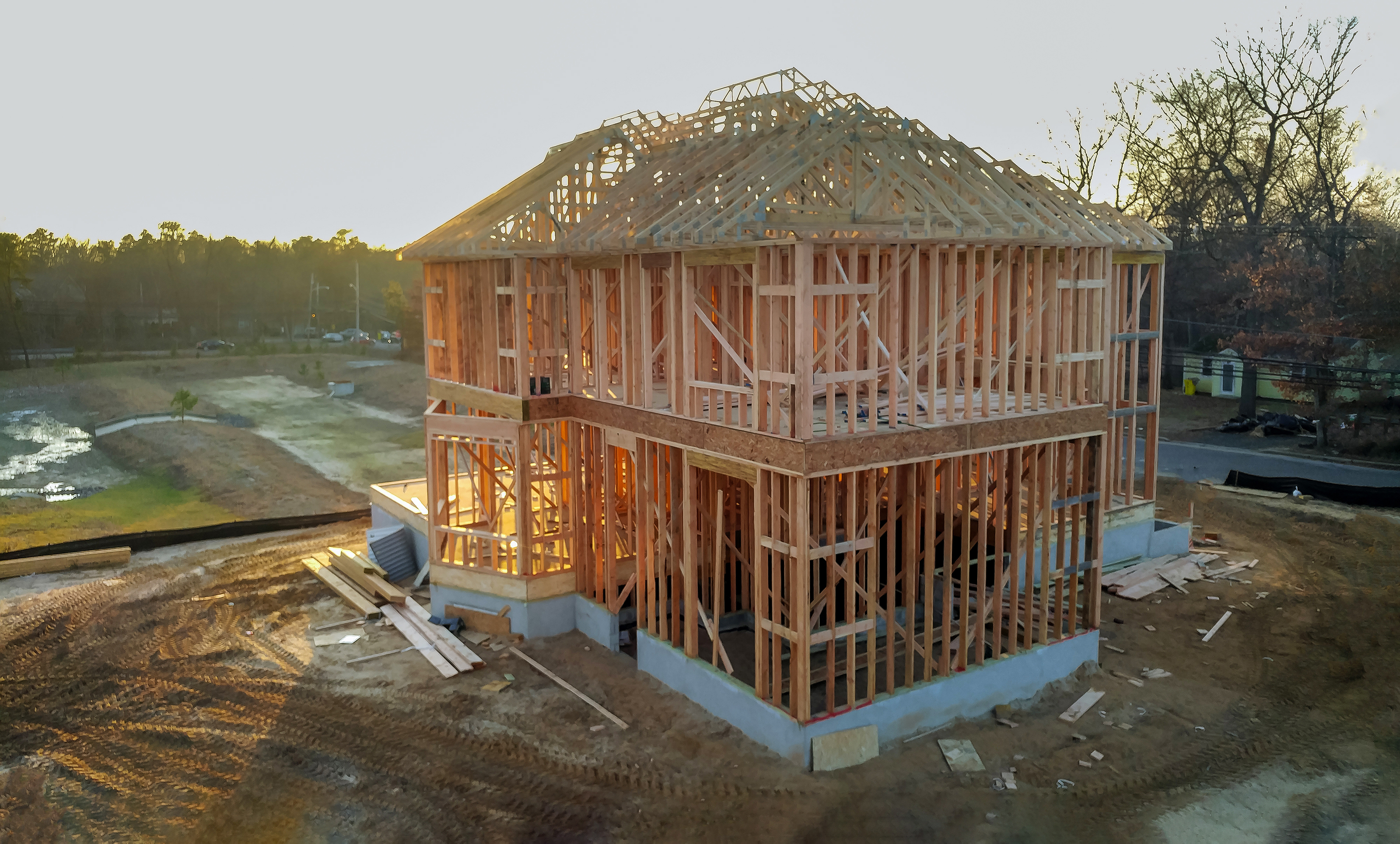
In the booming residential pockets of New Hanover, Pender, Onslow, and Brunswick counties, new construction is everywhere. From luxury builds in Wrightsville Beach to fast-growing subdivisions in Leland, buyers are racing to secure their piece of the coast. But a “move-in ready” home can carry a hidden financial risk that has nothing to do with the structure itself: a mechanics lien.
In North Carolina, Chapter 44A allows contractors, subcontractors, and material suppliers to file a lien if they are not paid for labor or materials provided to a property. The key danger for buyers is simple: you can end up dealing with the builder’s unpaid bills even if you paid the builder in full.
Mechanics Liens in NC: Why Buyers Can Get Caught
Mechanics liens exist to protect the people who improve real property. The problem is timing. By the time you close on a new home in Wilmington, Hampstead, Surf City, or Brunswick County, the crews who framed, roofed, poured concrete, and delivered materials may have already finished work weeks or months earlier.
If those vendors were not paid by the builder, they may still have lien rights that can cloud title, disrupt refinancing, or trigger expensive legal cleanup after closing.
The “Relation-Back” Doctrine
North Carolina follows a relation-back rule for lien priority. A subcontractor’s lien does not begin on the day it is recorded at the courthouse. It can relate back to the first date labor or materials were furnished to the site.
Example: a framing crew works on a Hampstead build in February and is not paid. They file a lien months later, after you have closed and moved in. Because their right relates back to February, it can create priority issues and a title problem that you did not cause, cannot see during showings, and did not budget for.
The Lien Agent System and LiensNC
North Carolina created the Lien Agent System to reduce “hidden” lien surprises. For many residential projects over a threshold cost, the owner (often the builder or developer) must appoint a Lien Agent through the LiensNC portal.
- What subcontractors must do: File a Notice to Lien Agent to preserve lien rights.
- What your closing attorney checks: Whether notices were filed on the project before deed recordation.
Practically, this matters because if a subcontractor did not properly preserve rights through the system before recordation, their ability to lien the property can be reduced or lost, depending on the facts and timing.
How New Construction Buyers Protect Themselves
Protecting yourself from builder debt requires proactive due diligence before final payment and before closing.
1) Demand Lien Waivers
Before final payment or closing on a custom build in Oak Island, require signed final lien waivers from the general contractor and the major subs and suppliers. These documents function like receipts and create enforceable proof that the parties identified have waived lien claims for work covered.
2) Scrutinize Your Title Insurance
Your owner’s title insurance policy is your main backstop. Confirm your policy includes mechanics lien coverage so you are protected if a subcontractor appears after closing claiming they were not paid for work performed during construction.
3) Treat “Notice to Lien Agent” as a Signal
If you see a Notice to Lien Agent posted on the permit board at a Topsail-area job site, assume at least one vendor is actively tracking payment rights. Make sure your closing attorney has that information and confirms portal status before you sign.
Your Next Step
Buying a newly constructed home should be a celebration, not a legal headache. Aspyre Realty Group works alongside experienced local closing attorneys to help you pressure-test lien risk, verify what matters in the LiensNC system, and close with the confidence that your coastal home comes with clear title and clean paperwork.
Check out this article next