



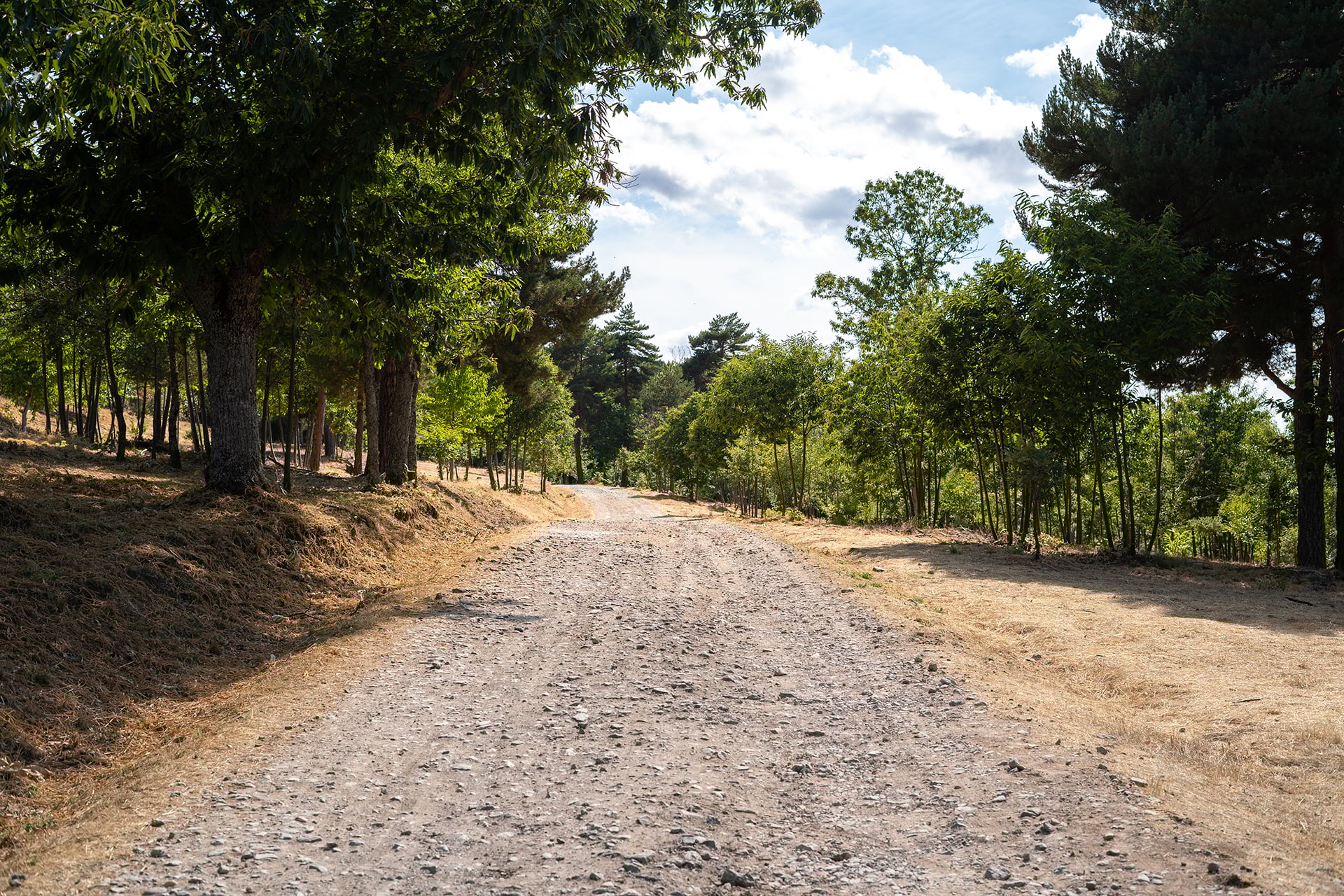
When touring properties in New Hanover, Pender, Onslow, and Brunswick counties, the focus is often on the curb appeal of the home rather than the curb itself. In North Carolina, the status of the road leading to that home is a critical material fact that must be disclosed. Whether you are looking at a secluded drive in Hampstead or a quiet cul-de-sac in Leland, understanding who is responsible for filling the next pothole matters to your long-term budget.
The Disclosure Requirement in North Carolina
In North Carolina, the Residential Property and Owners' Association Disclosure Statement (RPOADS) asks sellers to indicate whether the road serving the property is Public or Private. This is more than a label. Road status dictates who pays for repaving, drainage repairs, and structural maintenance.
Public Roads: State vs. Municipality
A Public road does not automatically mean it is maintained by the State of North Carolina. In Southeastern NC, responsibilities are often split:
- NCDOT maintained: Many major routes and secondary roads, especially in rural Brunswick and Pender County.
- Municipally maintained: Streets inside city limits such as Wilmington, Jacksonville, or Surf City, typically handled by local public works.
The Strategic Catch: “Public” Isn’t Always “Accepted”
Just because a road is open for public use does not mean it has been accepted for maintenance. In newer subdivisions across the Wilmington area and the Highway 17 corridor, roads may be publicly dedicated but not accepted by NCDOT or a municipality until build-out targets are met. During that gap, the developer or the homeowners may still be responsible for repairs.
Private Roads: The Maintenance Agreement Problem
If a road is Private, upkeep typically falls to the property owners who use it. This is common in waterfront communities near Topsail, rural acreage outside Burgaw, and small pockets across Brunswick County.
The biggest buyer risk is the absence of a formal Road Maintenance Agreement (RMA):
- What it is: A legally binding document recorded at the Register of Deeds that defines how costs are shared and enforced.
- Why lenders care: VA and FHA financing commonly require a recorded RMA for private-road properties. Without it, the loan can be denied even if the road looks perfect today.
Coastal Reality Check: Drainage and Storm Damage
Coastal weather, heavy rainfall, and hurricane surge can turn a gravel or sand road into a major expense fast. If you are considering a home on a private road in places like Hampstead, Sneads Ferry, Oak Island, or Leland, focus on the infrastructure, not just the surface.
- Inspect drainage: Identify culverts and ditches. If they are clogged, a private road can become a swamp and the bill gets split among neighbors.
- Verify the RMA: “We all just chip in” is not a plan. Confirm what is recorded, who pays what, and how collection is enforced.
- Check “state road” potential: If a private road was built to NCDOT standards, there may be a path to petition for acceptance, but it is usually slow and paperwork-heavy.
Your Next Step
Neighborhood infrastructure is as important as the floor plan. Aspyre Realty Group digs into local road records from Wilmington to Ocean Isle Beach so you understand maintenance liability, lending requirements, and future costs before you commit.
Check out this article next