



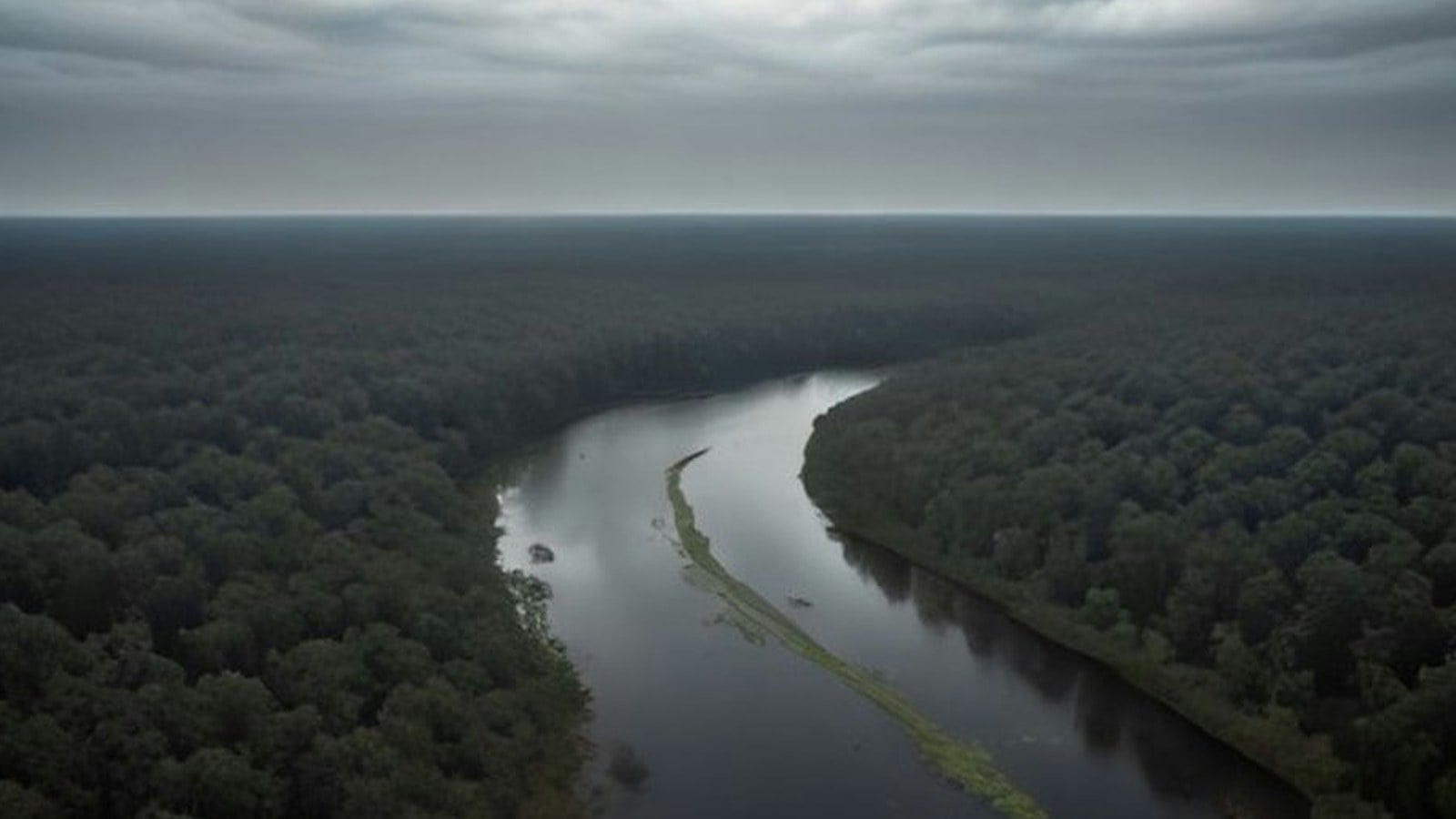
Flood risk is part of owning a home in the Lower Cape Fear, and the state now has a basin-wide plan for reducing it. On Nov. 10, 2026, the N.C. Department of Environmental Quality’s Flood Resiliency Blueprint program released its final Cape Fear River Basin Action Strategy. It identifies 166 prioritized actions to help communities in the basin reduce flood risk, and it singles out 44 as high priority. Here is what the plan is, what it isn’t, and how homeowners and buyers in Brunswick, New Hanover and Pender counties can use it.
What the Action Strategy Is
According to DEQ, the strategy is a framework to support flood resilience planning and decision-making across the Cape Fear River Basin. It draws on local input, existing flood plans, a basin-wide vulnerability assessment, a community capacity assessment and gap analysis. Local governments submitted Local Action Plans through DEQ’s online Flood Resiliency Blueprint tool, and the Cape Fear River Basin Advisory Group, made up of experts from state agencies, local and regional governments, nonprofits and universities, provided technical guidance.
“Flooding in the Cape Fear River Basin is getting more frequent and severe, putting lives, homes, businesses and critical infrastructure at risk,” DEQ Secretary Reid Wilson said in the release. “This Flood Resiliency Blueprint action strategy identifies cost-effective projects to reduce that flood risk and strengthen communities’ resilience throughout the Cape Fear River Basin.”
What Kinds of Projects Are on the List
DEQ says the 166 actions mix structural and non-structural approaches, including:
- Stormwater system improvements
- Transportation and roadway upgrades
- Protection for critical infrastructure
- Nature-based solutions
- Structure-level mitigation, such as elevating or floodproofing buildings in flood-prone areas
- Policy and planning actions
The 44 high-priority actions
After more evaluation and talks with local leaders, DEQ flagged 44 actions as recommended first steps, based on local buy-in, feasibility, capacity and potential benefit. They include floodplain and stream restoration, drainage and culvert improvements, roadway and critical infrastructure upgrades, floodproofing and elevation of critical facilities, and early flood warning systems. DEQ says the recommendations are meant to guide early investment while leaving communities room to adjust as funding and priorities change.
What It Is Not
The strategy is a planning and prioritization tool, not a funded construction schedule. Being on the list doesn’t mean a project is paid for or has a start date. For context, DEQ says it has awarded funding to 86 Blueprint projects across six river basins totaling $45 million. The Blueprint currently serves six of the state’s 17 river basins, and DEQ has already released strategies for the Neuse, Tar-Pamlico, Lumber and White Oak basins.
Why It Matters to Homeowners and Buyers
Infrastructure shapes day-to-day flood risk
Culverts, drainage ditches and low roads often decide whether a neighborhood floods in a heavy rain, and whether you can get in and out. Over time, local projects that come out of this strategy could affect drainage and access in specific places. If you’re shopping, ask about a street’s drainage history along with the flood zone.
Flood zones still come first
A home’s FEMA flood zone, elevation and insurance cost are still the most direct measures of risk for a particular property. Our flood zones buyer’s guide explains how to read them. Some coastal parts of the region drain to other basins, so it’s worth checking which basin and local plan apply to an address.
Local plans tie in
Towns have their own resilience efforts. Carolina Beach’s is one example, covered in Carolina Beach’s Flood Resilience Plan. The Blueprint tool lets communities update local flood plans with help from Blueprint staff, so expect local and state planning to keep evolving together.
How to Look Up Your Area
DEQ says all identified actions are stored in the Flood Resiliency Blueprint tool, which includes data-driven flood risk and vulnerability assessments. The strategy and supporting materials are linked from DEQ’s release. If you’re under contract on a home, you can check the tool during your due diligence period, along with the seller’s disclosure, the elevation certificate and insurance quotes.
FAQ: Cape Fear River Basin Action Strategy
When was the final strategy released?
DEQ announced it on Nov. 10, 2026.
How many actions does it include?
166 prioritized actions. DEQ recommends 44 of them for early consideration.
Does this mean projects are funded?
No. The strategy guides planning and investment. Funding for individual projects comes separately.
Where can I see projects near me?
In DEQ’s online Flood Resiliency Blueprint tool, which stores every identified action for the basin.
Buying or Selling Where Water Matters?
We help clients across Brunswick, New Hanover and Pender counties compare flood zones, drainage and insurance before they commit. Contact Aspyre Collective to talk through a property or neighborhood.