



Most mortgage rule changes happen quietly, in lender bulletins that homebuyers never see. But some of them end up shaping which homes you can finance, how your credit is scored, and what you sign at closing. On Nov. 4, 2026, Fannie Mae published one of those updates, and a few pieces of it are worth understanding if you’re shopping for a condo, a second home at the beach, or your first home anywhere in New Hanover, Brunswick, or Pender County.
What Fannie Mae Announced
Fannie Mae’s Selling Guide Announcement SEL-2026-10 (Nov. 4, 2026) updates the rulebook lenders follow when they make loans that Fannie Mae buys. Those conventional loans make up a large share of purchase mortgages, so the changes matter even if you’ve never heard of the Selling Guide. According to Fannie Mae, the November update:
- Expands housing options by allowing accessory dwelling units (ADUs) in eligible condo projects.
- Clarifies its owner-occupancy policy for principal residences and second homes.
- Reorganizes its rules for Community Seconds (down payment and closing cost help structured as a second loan) and for grants.
- Extends use of the VantageScore 4.0 credit score to manually underwritten loans and to loans run through Desktop Underwriter Version 12.1.
- Updates a pricing policy for lenders when certain loans pay off early.
Trade publication WRE News (Nov. 4, 2026) reported that lenders can use the condo ADU change right away. The last item, premium recapture, is a lender-side matter and shouldn’t change anything for you as a buyer.
Condos With ADUs: A New Financing Path
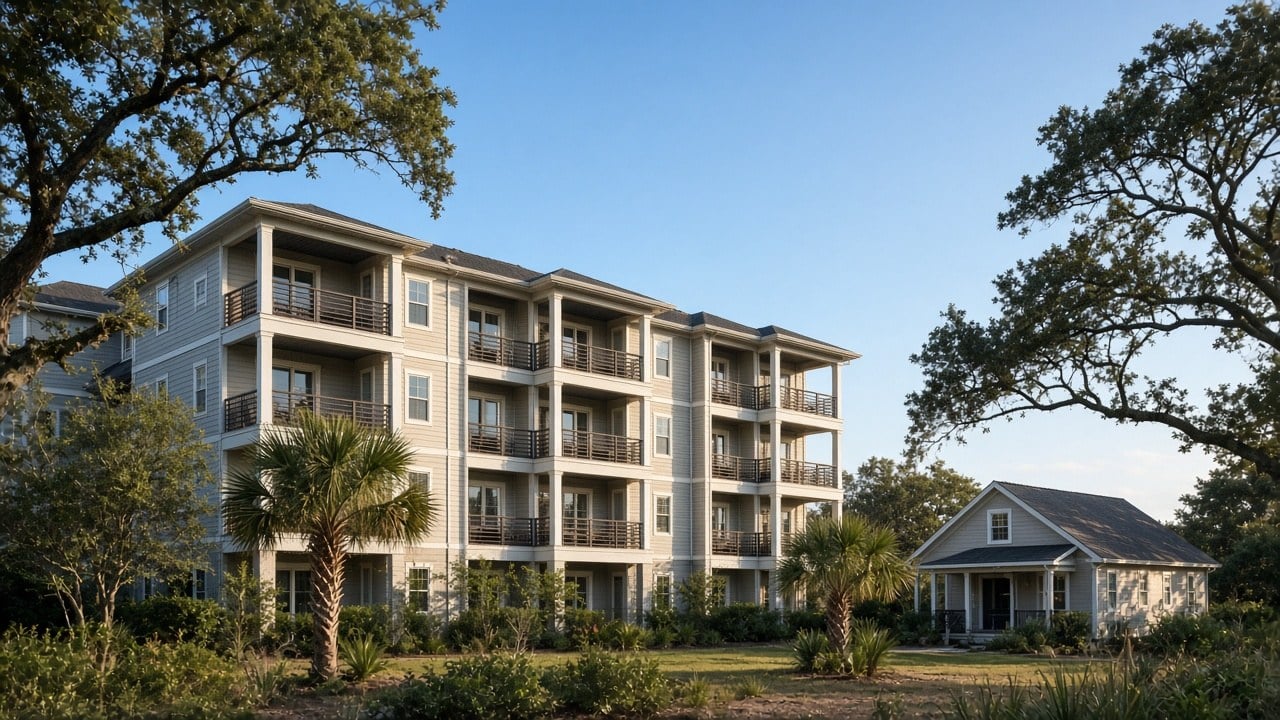
Financing a condo has always meant two reviews: one of you and one of the building. A condo project has to meet Fannie Mae’s eligibility standards before a lender can make a conventional loan there, and unusual features can complicate that review. Under the new policy, an ADU (a smaller, separate living space tied to a unit) no longer automatically rules out a condo project, as long as the project is otherwise eligible.
WRE News pointed out that this doesn’t mean every condo with an ADU will qualify. Project, property, and underwriting rules all still apply. Still, it’s useful around Wilmington, where we see a mix of older condo communities, converted buildings near downtown, and townhome-style projects in places like Monkey Junction and Ogden. If you’ve found a unit with a guest suite or a separate living space and your lender said it was a problem, it’s worth asking again now.
Second Homes and Occupancy: Read the Fine Print
Fannie Mae described its occupancy change as a clarification, written to match the language in standard mortgage documents and to reduce misunderstandings. It isn’t a loosening of the rules. That matters along the coast, where many buyers are looking at a cottage on Topsail Island, a condo at Carolina Beach, or a place on Oak Island or Ocean Isle that they’ll use part of the year.
A loan for a principal residence or a second home generally carries lower pricing than a loan for an investment property, and it comes with occupancy commitments you sign at closing. If your real plan is to rent the property most of the year, tell your lender up front so the loan is set up correctly. Getting the occupancy type wrong can cause serious problems later.
Down payment help structured as a second loan
Fannie Mae also clarified who can provide Community Seconds and what lenders have to check when a buyer uses one. If you’re a first-time buyer combining a conventional loan with local or state assistance, this is mostly behind-the-scenes work for your lender. Ask early whether the program you’re considering works with the loan you’re getting. Our guide to first-time buyer down payment help in the Wilmington area covers the local options.
VantageScore 4.0 Reaches More Loans
For years, conventional mortgages relied on classic FICO scores. Fannie Mae has been phasing in VantageScore 4.0, and this update builds that into the Selling Guide and extends it to manually underwritten loans and to Desktop Underwriter Version 12.1 casefiles. Separately, Fannie Mae’s Lender Letter LL-2026-09 revises the eligibility matrix for manually underwritten loans delivered on or after Feb. 22, 2027.
What this means in practice: depending on your lender and how your file is underwritten, a different credit score model could be part of your approval. Buyers with thin credit files, or with a history built mostly on things like rent and utility payments, are the ones most likely to notice a difference, though results vary from person to person. Ask your loan officer which score they’re pulling and whether another option could help your file.
What We’d Do Now
- Get pre-approved with a lender who knows condos. Ask them to check a specific project’s eligibility before you’re under contract, especially in older or mixed-use buildings.
- Be clear about how you’ll use a beach property. Second home and investment property are different loan types, priced differently.
- Ask about credit scoring. If your score sits near a pricing tier, find out whether VantageScore 4.0 is an option for your loan.
- Watch rates and budget conservatively. Freddie Mac’s Primary Mortgage Market Survey put the 30-year fixed average at 7.24% as of Oct. 29, 2026. The next weekly reading is due Thursday, Nov. 5.
Frequently Asked Questions
Does this mean any condo with an ADU can get a conventional loan now?
No. The condo project still has to meet Fannie Mae’s eligibility standards, and the property and borrower still have to qualify. The change removes one obstacle. It doesn’t guarantee approval.
Do these changes apply to FHA or VA loans?
No. The Selling Guide covers conventional loans sold to Fannie Mae. FHA and VA loans follow their own agency rules.
I’m buying a beach second home. Did the occupancy rules get stricter?
Fannie Mae calls the change a clarification meant to match the language in mortgage documents. The best protection is to be upfront with your lender about how you’ll use the home so the loan is set up the right way.
Will VantageScore 4.0 raise my score?
Not necessarily. Different models weigh credit history differently, so some borrowers score higher and some lower. Your lender can tell you which scores they use and how they affect your pricing.
Shopping for a condo, a beach getaway, or your first home in the Cape Fear region? We can connect you with lenders who know these rules and help you find properties that fit your financing. Contact Aspyre Collective to get started.