



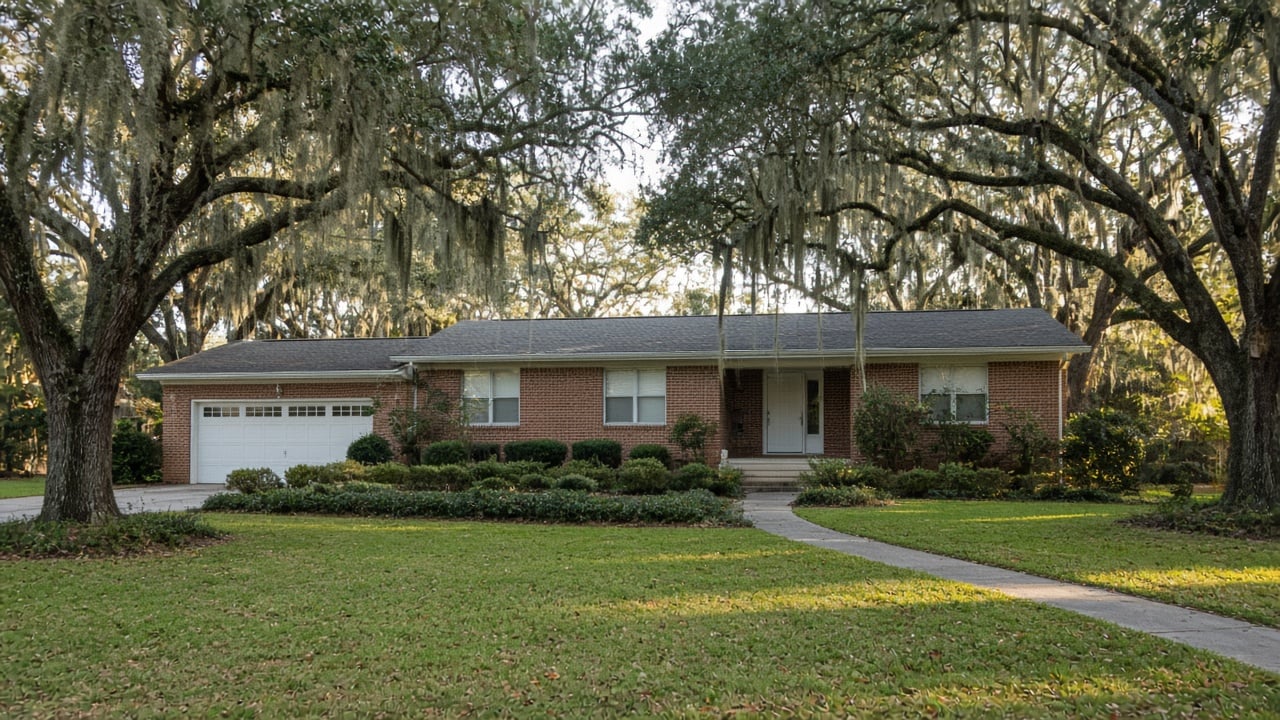
Inheriting a house usually arrives at the hardest possible moment. One week you are planning a service, and the next you are holding keys to a brick ranch in Shallotte or a cottage off the causeway in Oak Island, wondering what happens next. If the home is in Brunswick County and you are thinking about selling, this guide walks through the steps we see families work through most often, from the courthouse in Bolivia to the closing table.
Please note: this is general information, not legal or tax advice. Every estate is different, so plan to bring an estate attorney and a CPA into the conversation early.
Step 1: Open the Estate With the Clerk of Superior Court
In North Carolina, the Clerk of Superior Court serves as the judge of probate. For a loved one who lived in Brunswick County, that means the Estates Division at the Brunswick County Courthouse, 310 Government Center Drive NE in Bolivia.
According to the NC Judicial Branch estates guide, you will generally need the original will (if there is one), a certified death certificate, an application with a preliminary inventory of the decedent’s property, and the filing fee. Once the clerk approves the application, the court issues one of two documents:
- Letters Testamentary go to an executor named in a will.
- Letters of Administration go to an administrator when there is no will.
Either way, that person is called the personal representative, and those “letters” are what banks, title attorneys, and closing offices will ask to see. The AOC’s Estate Procedures pamphlet (AOC-E-850) also reminds families that clerk’s office staff cannot give legal advice, which is one more reason to have an attorney on your side.
Step 2: Understand Who Can Sign the Deed
This is where many inherited-home sales in Brunswick County get tangled, so it pays to understand two statutes.
Title passes to heirs, but the estate still matters
Under G.S. 28A-15-2, title to a decedent’s real property vests in the heirs at death, or in the devisees under a valid probated will. That does not mean the heirs can simply sell and move on. Under G.S. 28A-17-12, if the estate’s notice to creditors is first published or posted within two years of death, a sale by heirs before that notice is void as to creditors and the personal representative. A sale after the notice but before the final account is approved is also void as to them unless the personal representative joins in the deed.
The notice itself, under G.S. 28A-14-1, gives creditors at least three months from first publication or posting to present claims.
When the personal representative sells
G.S. 28A-15-1 says that if the personal representative needs to sell real estate to pay the estate’s debts and claims, a special proceeding before the clerk is generally required. The exception is when the will itself grants the power to sell real property. A general power of sale in the will is enough. Your attorney can tell you which path applies and how a title insurer will want the deed signed.
Step 3: Know Your Disclosure Obligations
North Carolina sellers normally complete the Residential Property and Owners’ Association Disclosure Statement. However, G.S. 47E-2 exempts “transfers by a fiduciary in the course of the administration of a decedent’s estate.” That exemption covers a sale by the personal representative. It does not necessarily cover heirs who sell in their own names.
Either way, your listing agent still has a duty to disclose material facts. The NC Real Estate Commission notes that some facts, such as whether a property is in a flood zone, are always material. For coastal Brunswick homes, it’s smart to check the address on the state’s Flood Risk Information System (FRIS) early so there are no surprises.
Step 4: Protect the House While the Estate Is Open
- Insurance: Call the existing carrier right away. Coverage on many homeowners policies can change once a home sits unoccupied, and a vacant beach-area house still needs wind and flood protection through hurricane season.
- Property taxes: Brunswick County tax bills keep coming. According to the Brunswick County Tax Office, 2026 taxes were due September 1, 2026, and can be paid without interest through January 5, 2027.
- Records: Pull the current deed through the Brunswick County Register of Deeds to confirm exactly how the home was titled, such as sole ownership, tenancy by the entirety, or survivorship.
- Upkeep: Keep utilities on, the yard mowed, and someone checking the property regularly.
Step 5: Plan for Taxes
North Carolina has no estate tax for deaths on or after January 1, 2013. G.S. 105-32.1 was repealed effective that date, and the state’s inheritance tax was repealed years earlier.
On the federal side, IRS Publication 551 explains that the basis of inherited property is generally its fair market value on the date of death, often called a “stepped-up” basis. IRS Publication 544 adds that inherited property is treated as held for more than one year. A date-of-death appraisal helps document that value. The Section 121 home-sale exclusion in IRS Publication 523 generally requires that you owned and lived in the home as your main home, so it usually won’t apply unless you moved in. Your CPA should confirm the details.
Frequently Asked Questions
Can we list the house before the estate is settled?
Often, yes. The key is making sure the right people sign at closing, which frequently includes the personal representative. Talk to your estate attorney before signing a listing agreement.
Do we have to fix everything before selling?
No. Many estates sell homes as-is. Pricing and presentation matter more than a long repair list, and a local agent can help you decide which small fixes are worth it.
What if one heir lives out of state?
That is very common in Brunswick County. Documents can usually be signed remotely or by mail, and the personal representative can handle much of the coordination.
Does the clerk’s office help with the sale?
The clerk oversees the estate and any required special proceedings, but cannot give legal advice or market the home.
Let’s Talk Through Your Situation
Selling a family home is about more than paperwork. We help families across Brunswick County, from Leland and Southport to Oak Island, Shallotte, and Sunset Beach, with pricing, preparation, vendor coordination for out-of-town heirs, and working alongside your attorney and CPA. When you’re ready, reach out to Aspyre Collective for a no-pressure conversation about your options.