



If you own a home in Carolina Heights, rent near the Cargo District, or have been eyeing a renovated bungalow in the Brooklyn Arts area, the City of Wilmington has a document worth knowing about. The Wilmington Greater Downtown Plan, adopted by City Council on June 16, 2026, sets the direction for the 18 neighborhoods that ring the downtown core. On October 28, 2026, the city announced that the plan received an engagement award from the North Carolina Chapter of the American Planning Association, which makes this a good moment to look at what the plan actually says and what it could mean for homeowners, buyers, and investors.
Here is our plain-English take as a local real estate team.
What the Greater Downtown Plan Is
According to the city’s Greater Downtown Plan page, it is a “Small Area Plan” covering the neighborhoods around downtown. A small area plan zooms in closer than the city’s overall Create Wilmington Comprehensive Plan and recommends specific policies, projects, and programs for that part of town.
The neighborhoods represented on the plan’s steering committee give a sense of the footprint: the Downtown Core, Historic Wilmington, Northside and Love Grove, Dry Pond and The Bottom, Southside, South Front and Greenfield, and Carolina Heights, Winoca Terrace, Carolina Place, Ardmore, and Delgado.
The city’s stated vision is a Greater Downtown that “honors its rich history while moving toward a more sustainable future” and is “a welcoming and affordable place to live, full of local character and culture, with growing opportunities for work and business – all within a walkable and charming urban setting.”
The Four Themes Behind the Plan
The plan is organized around four themes that came out of community input:
- Local character: stewarding unique architecture, culture, and sense of place.
- Economy: boosting economic opportunity and improving fiscal health.
- Small business: supporting local entrepreneurship and retail.
- Mobility: making it easier, safer, and more pleasant to get around.
The city says more than 6,300 residents weighed in through over 60 community events, open houses, focus groups, and surveys. In early rounds, residents asked for safer walking and biking, more green space, better public gathering spaces, and protection of the area’s historic character. The final chapter includes an implementation matrix with timeframes, cost estimates, and potential partners for each action.
What It Means for Homeowners
A plan guides decisions; it does not rezone your lot
A small area plan is a policy guide. Adopting it did not, by itself, change the zoning on any property. What it does is give City Council, the planning commission, and city staff a reference point when they weigh future rezonings, code changes, street projects, and spending. If you own in one of these neighborhoods, the plan is a preview of the direction the city intends to take, so it is worth skimming the sections that touch your street.
Character and walkability tend to support value
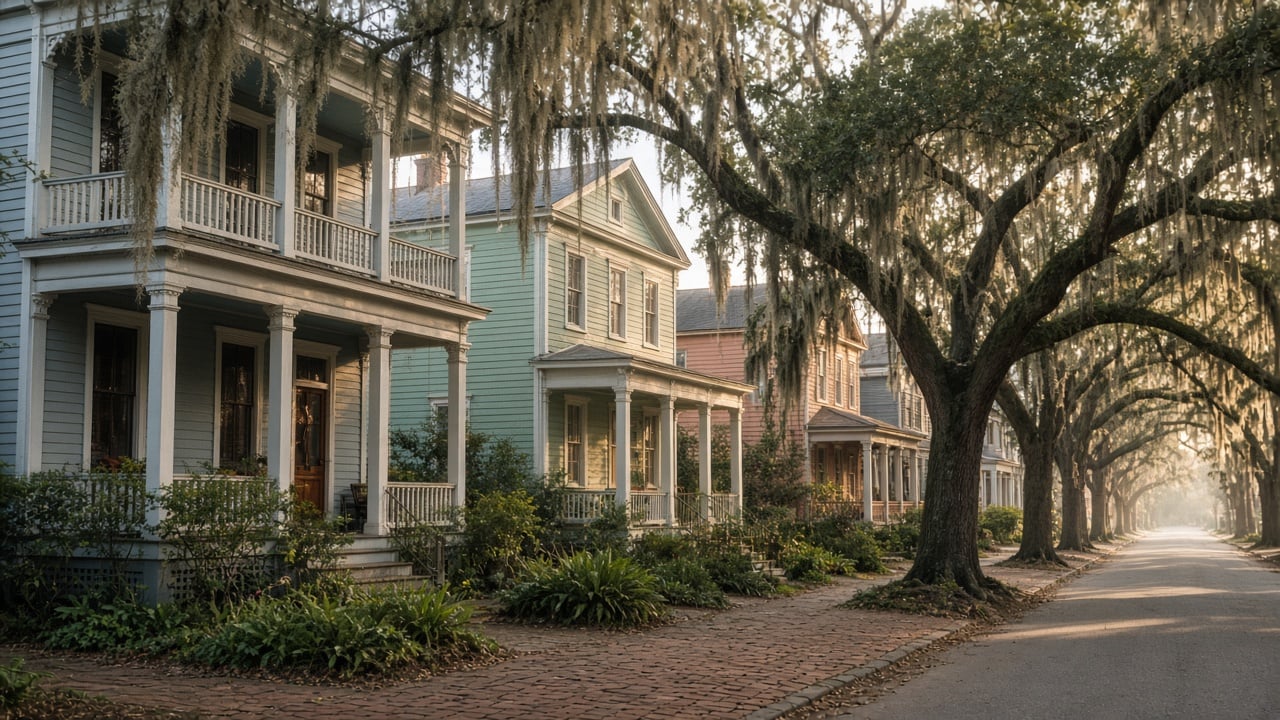
Much of what buyers love about in-town Wilmington, such as front porches, mature trees, historic architecture, and the ability to walk to dinner, lines up with the plan’s goals. Sidewalk, crossing, and streetscape improvements that make a neighborhood more pleasant usually help long-term desirability. We would not promise any specific effect on prices, but direction matters, and this one leans toward the things in-town buyers already pay for.
Expect more conversations about growth
The plan also talks about housing, small business, and economic opportunity, which means change. Some blocks may see infill, renovation, or new mixed-use projects over time. If you own near a commercial corridor or a large vacant parcel, keep an eye on city agendas so you are not surprised.
What It Means for Buyers and Investors
- Read the plan before you buy. The full document is linked on the city’s page. Look up the neighborhood you are considering and note any recommended projects nearby.
- Check zoning and historic district rules. Parts of greater downtown fall within historic districts with design review for exterior changes. Confirm the rules before you plan a renovation or addition.
- Think long term. Plans like this unfold over years. Buyers who value walkability and character can use the plan to judge where a neighborhood is headed, not just where it is today.
- Check flood exposure too. Some low-lying areas near the river see tidal flooding. A National Weather Service coastal flood advisory on October 30, 2026 specifically named downtown Wilmington, so review flood zone maps and insurance quotes as part of due diligence.
Frequently Asked Questions
When was the Greater Downtown Plan adopted?
Wilmington City Council adopted it on June 16, 2026, according to the city.
Does the plan change my property’s zoning?
No. It is a policy guide. Zoning changes still go through their own public process.
Which neighborhoods does it cover?
The 18 neighborhoods surrounding the downtown core, including areas such as Historic Wilmington, Northside, Dry Pond, Southside, South Front, and Carolina Heights. The city’s plan document has the full map.
Where can I read it?
The adopted plan and its chapters are posted on the City of Wilmington website.
Thinking About Buying or Selling Near Downtown?
In-town Wilmington is a block-by-block market. Two houses a few streets apart can differ a lot in historic rules, flood exposure, and what is planned nearby. We are happy to walk you through what the Greater Downtown Plan means for a specific home or neighborhood before you make a move.
Talk with Aspyre Collective about buying or selling in downtown Wilmington.