


Most people in the Wilmington area never think about where their tap water starts. For a large share of homes in New Hanover and Brunswick counties, it starts in the Cape Fear River, upstream of Wilmington, in a stretch of water held back by a century-old structure called Lock and Dam No. 1. That structure made local news this week, and it is worth a few minutes of your time whether you own a home here, are shopping for one, or are thinking about selling.
Here is what was announced, what it does and does not mean, and what we would keep an eye on as a local real estate team.
What Happened at Lock and Dam No. 1
On Oct. 30, 2026, WECT reported that the U.S. Army Corps of Engineers Wilmington District had started emergency repairs at Cape Fear River Lock and Dam No. 1. According to the Corps, inspectors confirmed that river currents had eroded a channel through the riverbed beneath the lock. Officials said that, if left alone, that erosion could undermine the riverbed supporting the structure and lead to settling or structural damage.
The Corps said it is working with a specialized internal maintenance and repair unit on a plan to stabilize the area. Once active work begins, the emergency repairs are expected to take about 30 days. After that, the Wilmington District will evaluate the results and decide whether more work is needed to permanently stabilize the structure. WWAY’s report added that nearby dock owners should keep taking standard precautions for routine river fluctuations, and the Corps asked the public to follow posted signs and give crews room to work.
Why This Dam Matters to Wilmington-Area Homeowners
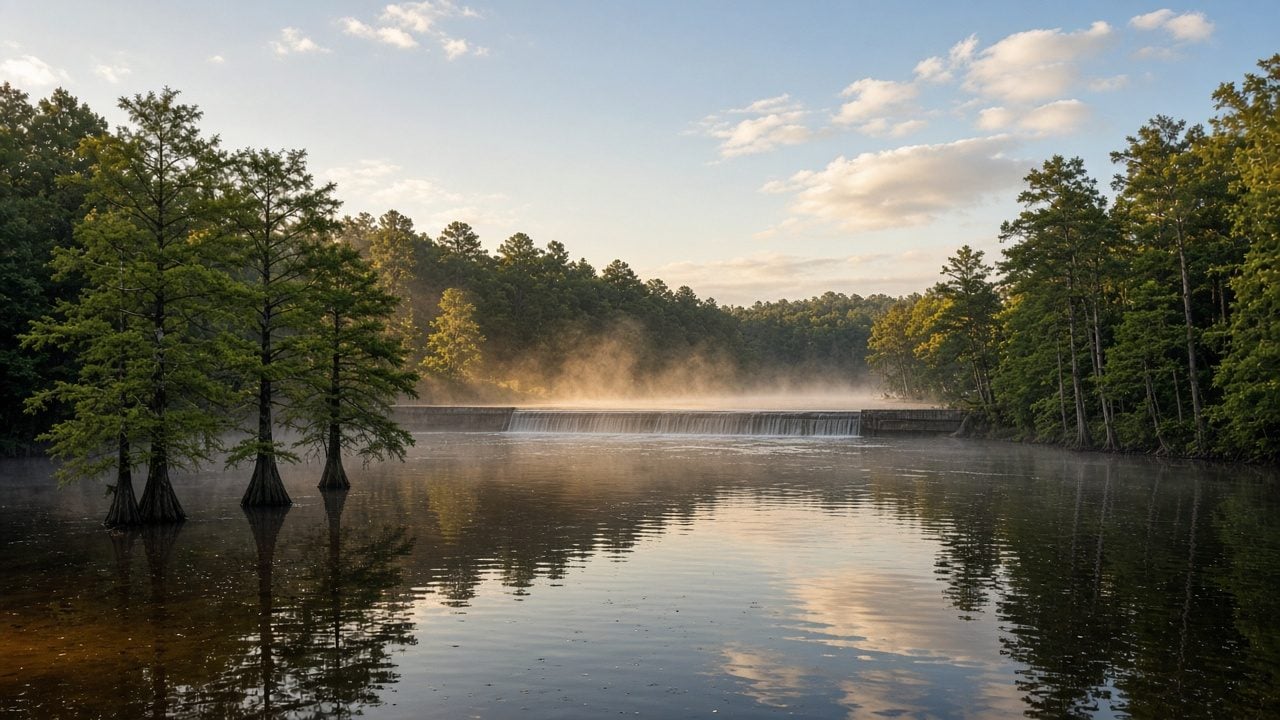
Lock and Dam No. 1 sits on the Cape Fear River near Riegelwood, upriver from Wilmington. It was built for river navigation more than 100 years ago, but today one of its most important side effects is the pool of fresh water it holds back. Just upstream, raw water intakes at Kings Bluff draw from that pool and send water to treatment plants that serve much of our region, including systems used by Cape Fear Public Utility Authority customers in New Hanover County and Brunswick County Public Utilities customers.
That is why local officials and water utilities have paid close attention to the long-term future of the dam for years.
What the Reports Did Not Say
It is important to be precise here. The reports this week described a repair to prevent future damage. They did not report any interruption to drinking water service, any change to water quality, or any action homeowners need to take. If your local utility issues guidance, follow it, but there is no reason to change how you use water at home based on this news.
What Brunswick County Is Already Doing About Water Backup
Brunswick County has been working on its own backup plan for some time. In January 2026, Coastal Review reported that county commissioners approved buying about 380 acres near the Northwest Water Treatment Plant in the Leland area for a future raw water reservoir. According to the county, that reservoir is meant to keep water flowing to the plant if the Kings Bluff raw water transmission system or pump station goes out of service, during a contaminant spill on the river, or during drought.
Pumps and pipes still need to be built before the reservoir can be used, so it is a long-term project. Still, for buyers looking at Leland, Winnabow, Southport, Oak Island, or the South Brunswick beaches, it is a sign the county is planning for exactly this kind of risk.
What This Means for Buyers
For most buyers, this news is not a reason to change plans. It is a reason to ask good questions about any home you are considering:
- Who provides the water? Homes in our area may be on CFPUA, Brunswick County Public Utilities, a town system, a private utility, or a private well. Your agent can help you confirm it before you make an offer.
- Is the home on sewer or septic? This matters for monthly costs, inspections, and future plans for the property.
- If it is on a well, plan on a water test during your due diligence period, especially for older wells in rural parts of Pender and Brunswick counties.
- For river or creek front homes near the upper Cape Fear, ask about the dock, permits, and how the owner has handled normal river level changes.
What This Means for Sellers
If you are selling this fall or winter, you do not need to address this news in your listing. North Carolina’s Residential Property and Owners’ Association Disclosure Statement does ask about the water supply and sewer system serving the home, so make sure you know which utility serves your property and have recent bills handy. Buyers appreciate clear, accurate answers, and it helps the deal move smoothly.
What We Will Be Watching
- When the Corps begins active repairs and whether it finishes on the roughly 30-day timeline.
- Whether the Corps decides more permanent stabilization work is needed after its evaluation.
- Any updates from CFPUA, Brunswick County Public Utilities, or the regional water authority about long-term plans for the river pool.
- Progress on Brunswick County’s raw water reservoir near Leland.
Frequently Asked Questions
Is my tap water affected right now?
The Oct. 30 reports did not mention any interruption to water service or change to water quality. Watch for notices from your own utility, which is the best source if anything changes.
How long will the repairs take?
The Corps said the emergency repairs are expected to take about 30 days once active work starts, followed by an evaluation of whether more work is needed.
Should this change whether I buy in New Hanover or Brunswick County?
For most buyers, no. It is a good reminder to confirm a home’s water and sewer service during your due diligence, which we recommend on every purchase anyway.
Does this affect homes on private wells?
Homes on private wells do not draw from the river intakes. Well owners should still test their water regularly and keep up with well maintenance.
Talk to a Local Team
Questions about water, sewer, or what news like this means for a specific neighborhood are part of buying and selling on the Cape Fear coast. We are happy to help you sort through it. Contact Aspyre Collective to talk through your plans in Wilmington, Leland, or anywhere in Brunswick, New Hanover, and Pender counties.