



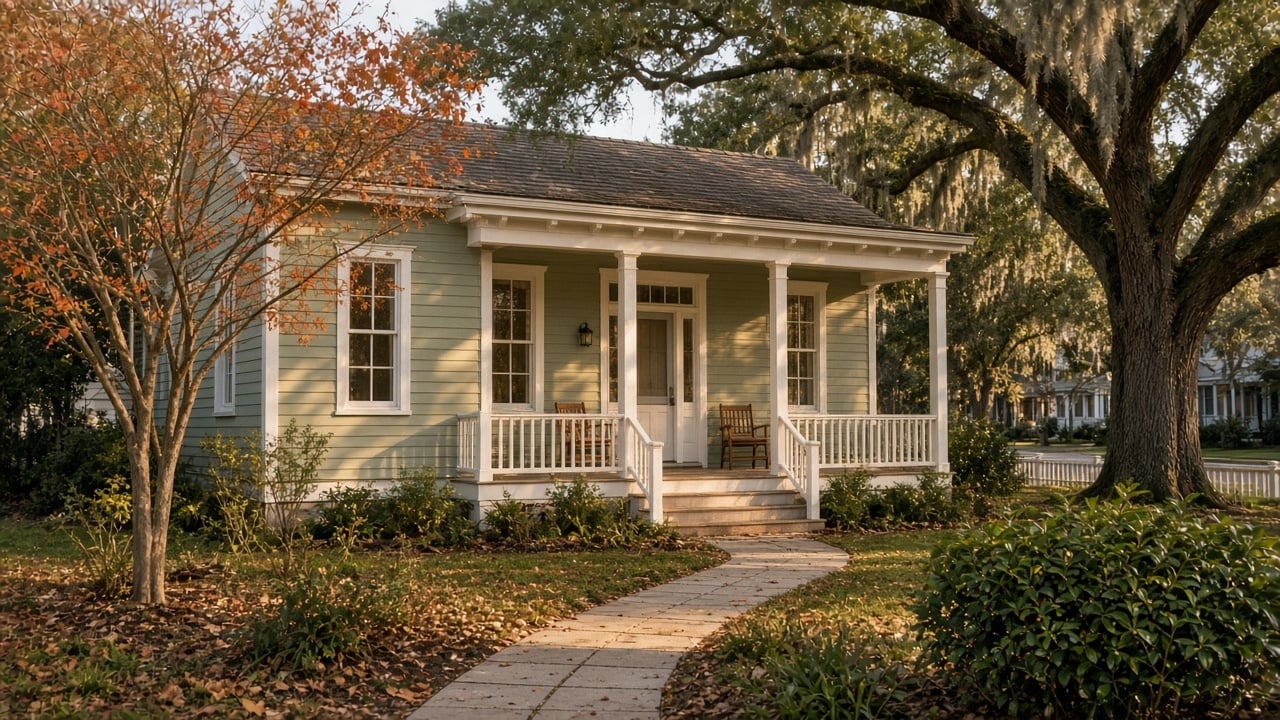
If you’ve been priced out of downtown Wilmington, there’s a homeownership option worth knowing about that most buyers never hear of: homes sold through the Cape Fear Community Land Trust. In mid-October, WECT (Oct. 13, 2026) and WWAY (Oct. 13, 2026) reported that the land trust and the nonprofit Cape Fear Collective put a fully rehabbed two-bedroom, one-bath home at 203 N. 11th St. on the market for $225,000, with a ribbon-cutting and open house on Oct. 16. That’s a price you rarely see near the Soda Pop District these days, and it comes with a different set of rules than a typical purchase.
Here’s how the model works, who qualifies, and what to weigh before you decide whether it’s the right path for you.
What Happened in October
According to WECT’s report, Cape Fear Collective bought the house in 2022 as one of roughly 100 downtown rental homes it acquired to rehabilitate. The nonprofit replaced the roof, HVAC, electrical, plumbing, insulation, windows, kitchen, bath, and flooring, using a loan from the City of Wilmington. The home is being sold in partnership with the Cape Fear Community Land Trust, and buyers must meet two conditions: they have to live in the home, and their household income has to be at or below 80% of HUD’s area median income for New Hanover County, adjusted for household size.
WHQR reported in May 2026 that more of Cape Fear Collective’s renovated homes would be coming available for sale or rent, with some sold through the land trust at prices well below comparable homes on the same block. So this likely isn’t a one-off.
How a Community Land Trust Home Works
With a land trust home, you buy the house, but the land trust keeps ownership of the land under it. According to the land trust’s profile, ownership is conveyed through a 99-year, renewable, inheritable ground lease. Because the land cost is taken out of the price, the house sells for less than it would on the open market.
The trade-off: limited appreciation
The lower price comes with a resale formula. In WHQR’s May 2026 reporting, the land trust’s executive director explained that owners can claim 25% of the appreciation added on top of their original purchase price when they sell. That keeps the home affordable for the next qualifying buyer, but it also means you won’t capture the full gain if downtown values keep climbing.
What you still get
- A home you own and can live in long term, with a lease that can be renewed and passed to heirs
- A monthly payment based on a lower purchase price
- Equity from paying down your mortgage, plus a share of appreciation
- A renovated house in a walkable, in-town neighborhood
Who Qualifies
The key test is income. HUD’s FY2026 income limits for the Wilmington, NC HUD Metro area, which covers New Hanover County, took effect May 1, 2026. The 80% “low income” limits in HUD’s published table are:
- 1 person: $61,150
- 2 people: $69,900
- 3 people: $78,650
- 4 people: $87,350
Those figures are a helpful starting point, but the land trust makes the final call on eligibility for each home, and its process may include a homebuyer education requirement and other steps. Check directly with the land trust before you assume you qualify or don’t.
Many buyers are surprised to learn they fit. A two-income household of teachers, nurses, or hospitality workers can fall under these limits, and those are exactly the people who’ve had the hardest time buying in town.
What to Think About Before You Apply
Financing
Not every lender handles ground-lease purchases, so ask early. You’ll want a lender who has worked with community land trust homes or is willing to review the lease terms. You can also pair a land trust purchase with down payment help in some cases; our earlier guide to first-time buyer down payment assistance in the Wilmington area covers the state programs.
Your long-term plans
If you see your first home mainly as an investment you’ll sell in a few years for a big gain, the resale formula may not fit. If you want stable, affordable ownership close to downtown jobs, restaurants, and the riverfront, it can be a strong fit.
Read the ground lease
The lease spells out resale terms, what improvements count, monthly lease fees if any, and rules for renting the home out. Have it reviewed by your closing attorney before you commit. In North Carolina, an attorney handles every closing, so make sure yours is comfortable with land trust deals.
Inspection still matters
A renovated home is a big advantage, but you should still get a full home inspection during your due diligence period, just as you would on any purchase.
Why This Matters for the Wider Market
Downtown and Northside Wilmington have seen fast price growth over the past several years, and the City of Wilmington’s own comprehensive plan names the lack of affordable housing for working residents as one of the region’s biggest challenges. Land trust homes won’t change the overall market, but they create a path to ownership for people who’d otherwise be stuck renting, and they keep a share of in-town homes affordable for the long run. For neighbors, renovated homes replacing rundown rentals can also lift a block.
FAQ
Do I own the home with a land trust?
Yes, you own the house. The land trust owns the land and leases it to you through a long-term, renewable, inheritable ground lease.
Can I sell a land trust home?
Yes, but the resale price follows a formula. Based on WHQR’s May 2026 reporting, sellers can claim 25% of the appreciation on top of their purchase price, and the home goes to another qualifying buyer.
Is 203 N. 11th St. still available?
It was listed in mid-October 2026, so check with the land trust or the listing agent for its current status and any upcoming homes.
Is this only for first-time buyers?
The published requirements for this home focus on income and living in the home. Ask the land trust about any other rules for a specific property.
Talk With a Local Team
Whether a land trust home, a down payment assistance program, or a traditional purchase is the best fit, we’ll help you compare the options honestly and find the right path into a home in the Wilmington area. Contact Aspyre Collective to talk through your options.