


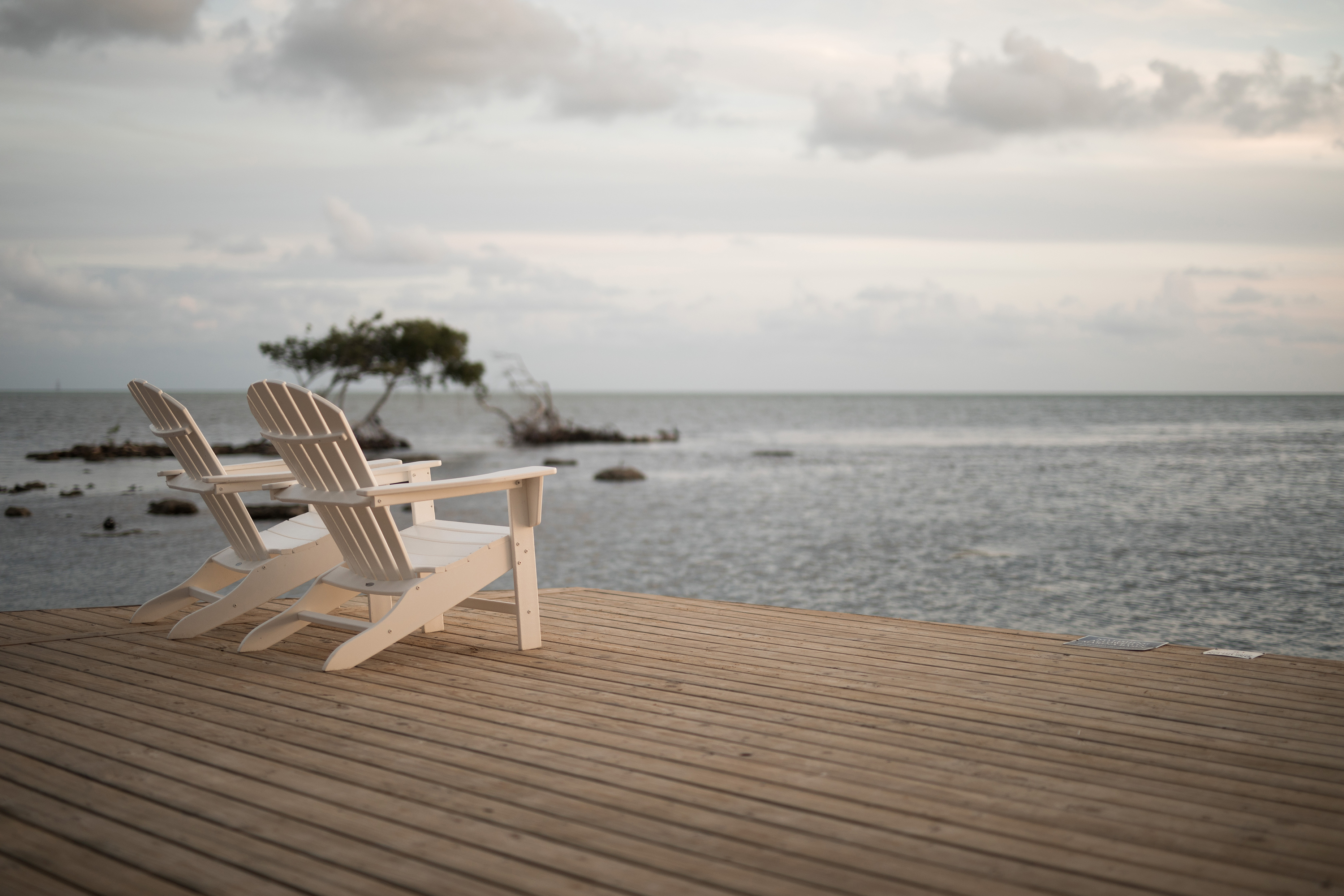
In the coastal enclaves of New Hanover and Brunswick counties, a deck is more than an architectural accessory; it is the centerpiece of the "salt life" lifestyle. Whether you are hosting a summer gathering in Wrightsville Beach or enjoying the breeze in Oak Island, your deck is an extension of your living space. However, the very elements that make our region beautiful—salt air, high humidity, and hurricane-force winds—are also a deck’s greatest enemies.
For buyers and sellers in Wilmington, Hampstead, and Surf City, understanding the structural integrity of a deck is a matter of both safety and significant financial consequence. A deck that isn't built to current coastal codes is a liability that can derail a home inspection or, worse, lead to catastrophic failure.
The Connection Point: Lag Bolts vs. Ledger Screws
The most common point of failure for decks in Southeastern North Carolina is the connection between the deck and the house. This is known as the ledger board. In older properties across Pender and Onslow counties, many decks were attached using only nails—a practice that is now a major code violation.
- Lag Bolts and Lateral Loads: Modern building codes require heavy-duty lag bolts or specialized structural screws to ensure the deck is physically "knitted" to the house frame.
- The "Pull-Away" Risk: During a hurricane or a high-capacity gathering, a deck subjected to "lateral loads" (the swaying motion of people or wind) can pull away from the siding if not properly bolted. In Topsail and Caswell Beach, inspectors look specifically for tension-tie connectors that anchor the deck joists directly into the interior floor joists of the home.
Flashing: The Silent Guardian Against Wood Rot
In our humid climate, moisture is the primary catalyst for structural decay. Flashing—the thin layer of metal or waterproof membrane installed behind the ledger board—is what prevents water from seeping into the house's wooden frame.
In many coastal homes, particularly those in Leland or Ocean Isle Beach, improper flashing leads to "silent rot." Water traps behind the siding, rotting the rim joist of the house while the deck looks perfectly fine on the surface. When evaluating a property, a strategic buyer should always look for visible flashing to ensure that the "envelope" of the home is protected from the relentless NC rain.
Corrosion-Resistant Hardware in the Salt Zone
In the Cape Fear region, the air itself is corrosive. Standard galvanized hardware that might last thirty years inland can fail in less than ten years in a beachfront environment like Wrightsville Beach.
- Stainless Steel is King: For properties within 3,000 feet of the ocean, 316-grade stainless steel fasteners are the gold standard.
- Hot-Dipped Galvanized: If not using stainless, all hardware must be G185 hot-dipped galvanized to withstand the chemical reaction caused by modern pressure-treated lumber and salt spray. Using the wrong "screws from the big-box store" can lead to "nail sickness," where the metal dissolves inside the wood, rendering the structure unstable.
A beautiful deck should provide peace of mind, not a hidden structural headache. Whether you are preparing to list your home or are performing due diligence on a new purchase, the details beneath the floorboards matter most.
At Aspyre Realty Group, we pride ourselves on being experts in listening and communicating people's wants into homes that work for them. We act as your strategic partner and guide, helping you identify the technical nuances—from ledger bolting to proper flashing—that ensure your coastal home is as safe as it is beautiful.
Check out this article next