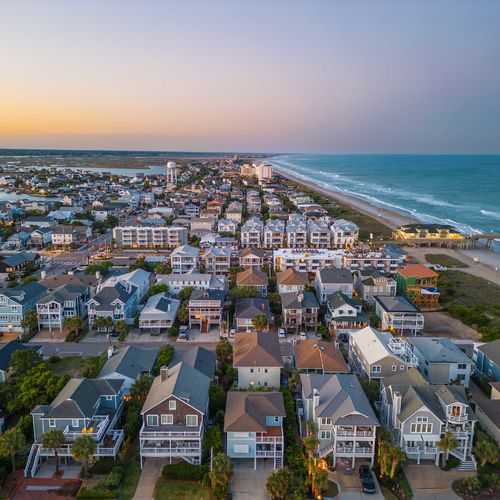




In the waterfront communities of Wilmington, Wrightsville Beach, and Southport, a private dock is the ultimate coastal luxury. Whether it is a simple fishing pier on the Intracoastal Waterway or a deep-water lift in Hampstead, buyers often assume that if a dock is attached to their land, they own it outright.
In New Hanover, Pender, Onslow, and Brunswick counties, the legal reality is more complex. You may own the wood, hardware, and pilings, but you do not own the water beneath them or the submerged land they occupy. Understanding the intersection of riparian rights and CAMA pier permits is the difference between a valuable amenity and a regulatory liability.
Riparian Rights: The Right to “Wharf Out”
North Carolina follows the riparian doctrine, granting owners of land bordering navigable water certain rights that run with the deed. These are not ownership rights to the water itself. They are a bundle of privileges tied to shoreline property.
The most important concept for dock owners is the right to wharf out, meaning the right to construct a pier from the high water mark toward the navigable channel. That right is limited by the public trust doctrine, which recognizes that the State holds submerged lands and public waters for the benefit of all citizens. Practically, you can build a dock (with approvals), but you cannot claim the water as private space or block lawful navigation around and under it.
Pier Permits: CAMA Is the Gatekeeper
Riparian rights explain why a shoreline owner can build. CAMA explains when and how they are allowed to build. In North Carolina’s coastal counties, development within an Area of Environmental Concern (AEC), which includes most shorelines in Southeastern NC, typically requires authorization through the Division of Coastal Management (DCM).
General Permits vs. Projects That Trigger More Review
Many standard private piers qualify under a general permit if they meet common dimensional rules and do not create navigation or environmental conflicts. When a dock is longer, wider, includes certain features, or creates potential impacts, review becomes more complicated and timing becomes less predictable.
The Adjacent Neighbor Rule and the Riparian Corridor
Permitting often requires notifying adjacent riparian owners. Your neighbors can object if your proposed structure interferes with their riparian corridor, the projected water access area extending from their property lines. A corridor dispute can stall approvals, force redesign, or create long-term conflict that reduces the dock’s usefulness.
The Maintenance and Transfer Trap
One of the most common problems in Brunswick and Onslow County transactions is the “orphan dock,” a structure built without a permit, expanded beyond the original authorization, or modified over time with features that were never approved.
- Permits are usually about construction: Once a dock is built under a valid authorization, it is generally treated as a lawful structure.
- Changes trigger new approvals: Adding a lift, expanding a platform, rebuilding sections, or adding features like a roofed structure can require a new permit even if the original pier was permitted years ago.
- Match the dock to the file: During due diligence, verify the dock’s current dimensions and features align with what DCM has on record. If a prior owner added unpermitted improvements, enforcement can land on the current owner after closing.
Strategic Advice for Waterfront Buyers
When purchasing a home with a dock in New Hanover or Brunswick County, your due diligence needs to extend beyond the shoreline.
- Confirm corridor alignment: Make sure the dock is centered within your water access and does not lean into a neighbor’s corridor.
- Verify insurance coverage: Many policies limit coverage for docks or treat them as low-limit “other structures.” Confirm wind and water damage treatment, especially in Wrightsville Beach exposure zones.
- Check usable water depth: A dock is only as good as the water beneath it. Verify mean low water depth and local tidal swings relative to your vessel.
Your Next Step
Owning waterfront property in Southeastern North Carolina includes rights and responsibilities that extend into the water. Aspyre Realty Group coordinates with closing attorneys, inspectors, and CAMA-facing resources to help you verify dock legality, reduce corridor risk, and protect long-term usability before you buy.
Check out this article next