



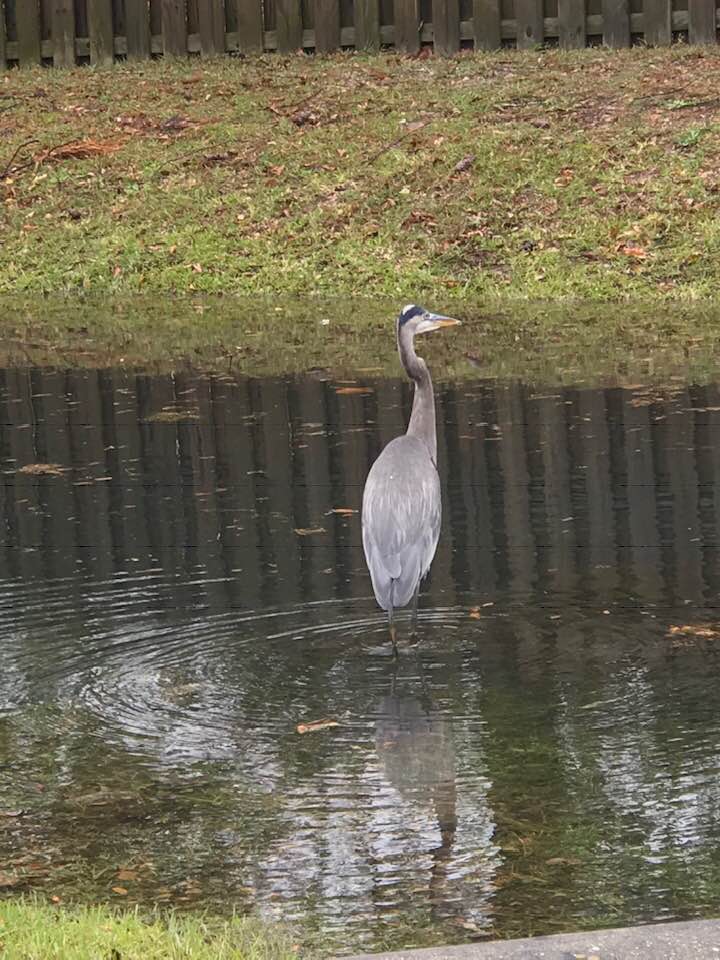
If you own property in Pender or Onslow counties, you are likely familiar with the "swamp yard" phenomenon. You buy a home with a flat, grassy backyard, but after a heavy August thunderstorm, it transforms into a mosquito-breeding wetland that takes days to drain.
In our region, where the water table is high and the topography is pancake-flat, fixing standing water is not just about digging a ditch. It requires a strategic blend of hardscaping and drainage engineering that respects both gravity and local regulations.
The Soil Reality: Sand vs. "Gumbo" Clay
The first mistake homeowners make is assuming all coastal soil drains the same.
Barrier Islands (Topsail, Oak Island): You likely have sandy soil. Water drains quickly unless the water table is saturated. Here, standing water usually means you have hit the saturation point of the aquifer itself.
Inland (Hampstead, Leland, Castle Hayne): You often encounter heavy clay or "gumbo" soil. In these areas, water sits on top because it physically cannot penetrate the dense earth. A simple French drain often fails here because the water never enters the pipe; it just sits on the surface.
Strategic Solutions: Beyond the French Drain
1. The "Impervious" Loophole: Permeable Pavers
If your backyard floods because you have too much concrete (patios, walkways), you are battling impervious surface limits.
The Strategy: Rip out the solid concrete slab and replace it with permeable pavers (PICP). These systems use layers of stone aggregate underneath the pavers to act as a massive underground reservoir. Rainwater falls through the cracks, is stored in the stone, and slowly dissipates.
Bonus: In towns with strict lot coverage limits like Wrightsville Beach, permeable pavers often do not count 100% toward your impervious limit, allowing you to expand your patio legally.
2. Dry Wells vs. Catch Basins
Catch Basins: Essential for those clay-heavy yards in Brunswick Forest. These are surface grates that "catch" the water and pipe it elsewhere.
Dry Wells: A large underground pit filled with gravel. These are effective in sandy soils but can be disastrous in high-water-table zones. If you dig a dry well in Surf City and hit groundwater at 3 feet, you have just created a permanent pond, not a drain.
The Regulatory Trap: Where Does the Water Go?
In NC, it is illegal to divert your stormwater onto your neighbor's property. You cannot just point a pipe at the fence line.
The CAMA Factor: If you are within an Area of Environmental Concern (AEC)—typically within 75 feet of the water—you cannot simply install new drainage pipes that dump into the marsh or sound without a permit. You could face fines from the Division of Coastal Management for altering runoff patterns into protected waters.
Your Next Step
Before you spend $5,000 on a drainage system that might just move the mud from one spot to another, you need to understand the hydrology of your specific lot.
At Aspyre Realty Group, we are experts in listening and communicating people's wants into homes that work for them. We can help you evaluate a property’s drainage potential before you buy, or connect you with trusted local engineers who can turn your swampy backyard into a usable outdoor oasis.
Check out this article next