


In New Hanover and Brunswick counties, a "coastal garden" is not a one-size-fits-all concept. The biology of a dune on Topsail Island is radically different from a marsh-front lot in Sneads Ferry or Hampstead.
For buyers and owners, understanding the distinction between "Oceanfront" and "Soundfront" gardening is not just about aesthetics—it is about erosion control, resilience during storm surges, and avoiding costly CAMA violations.
Zone 1: The Oceanfront (Wind & Spray)
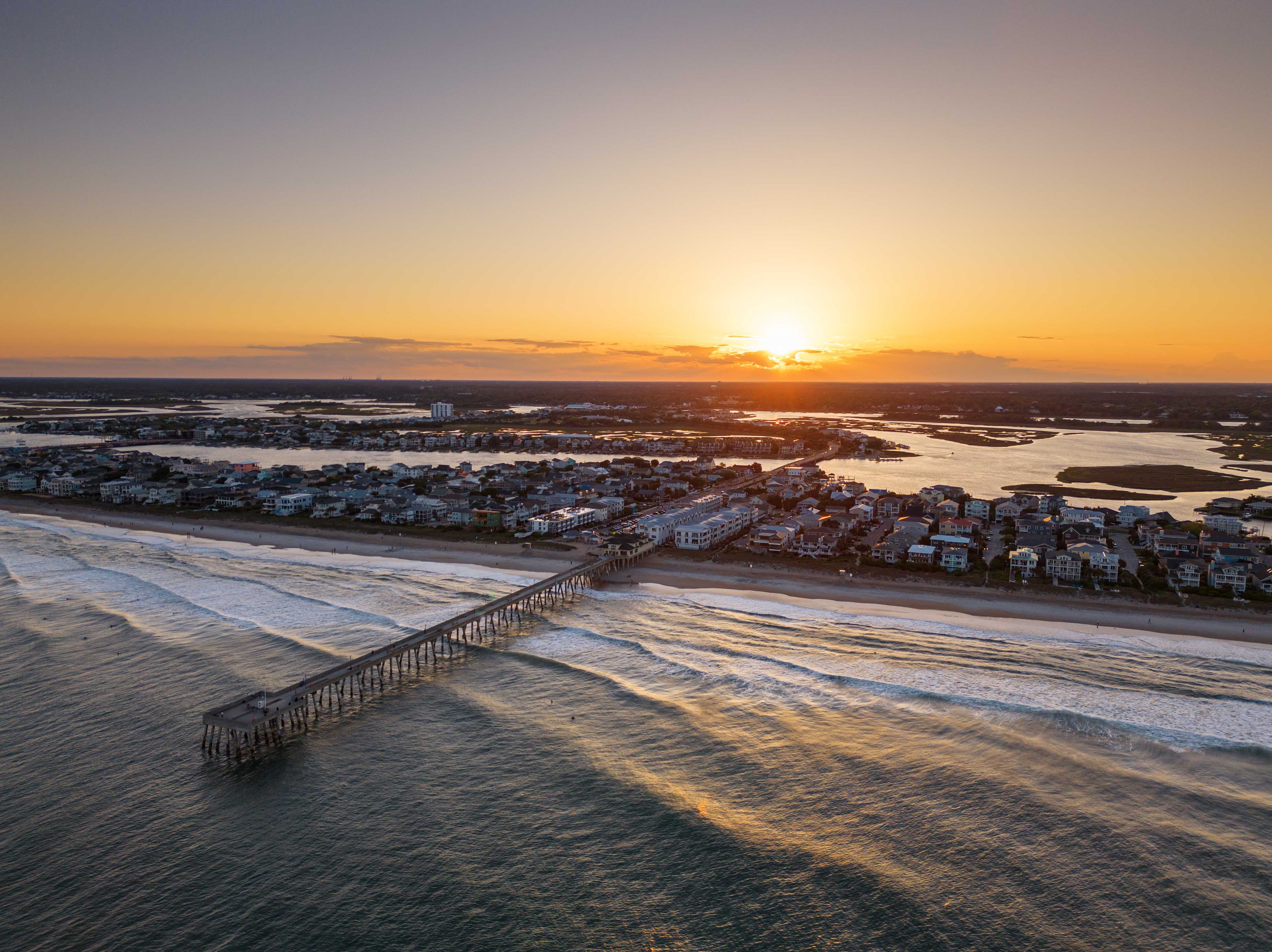
If your property faces the Atlantic in Wrightsville Beach or Oak Island, your plants are fighting two enemies: constant salt spray (which burns leaves) and sandy soil (which holds zero nutrients). The strategy here is dune stabilization.
The "Bulletproof" List:
Sea Oats (Uniola paniculata): The gold standard for dune retention. Their massive root systems hold the sand in place. Note: It is illegal to pick or remove sea oats in NC.
Pink Muhly Grass: Offers stunning fall color and thrives in poor, sandy soil.
Yaupon Holly: A native evergreen shrub that can be sculpted into hedges. It is practically immune to salt spray.
Gaillardia (Blanket Flower): A colorful perennial that reseeds itself and loves the abuse of the summer sun.
The "Insider" Warning: Beach Vitex
If you see a sprawling vine with purple flowers on a dune, do not plant it. This is Beach Vitex, an invasive species that is illegal to plant in many NC municipalities (including Bald Head Island and Kure Beach). Unlike native sea oats, its roots do not hold sand during storms, accelerating erosion and destroying sea turtle nesting habitats. Buying a home with Beach Vitex can mean inheriting a mandatory removal order.
Zone 2: The Soundfront (The "Wet Feet" Zone)
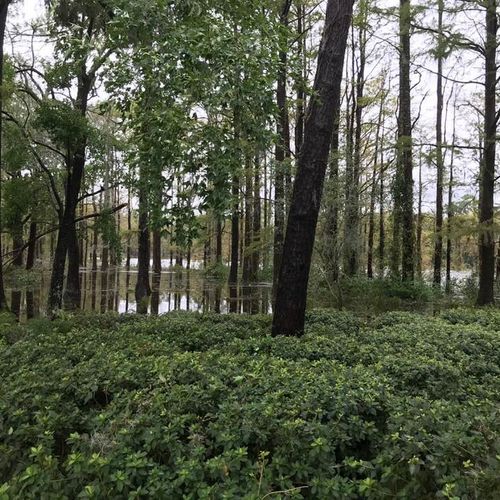
On the Intracoastal Waterway or tidal creeks in Pender and Onslow counties, the challenge is not spray; it is brackish inundation. Plants here must tolerate having "wet feet"—roots submerged in salty water during high tides or storms.
The Marsh Defenders:
Saltmeadow Cordgrass: Thrives in the intertidal zone and filters runoff.
Wax Myrtle: The workhorse of the coast. It tolerates salt spray and soggy soil, growing rapidly to provide privacy screens between neighbors.
Swamp Milkweed: Vital for monarchs and tolerant of wet, mucky soils found along the Cape Fear River.
Bald Cypress: Excellent for the water’s edge in lower salinity areas (like parts of the Northeast Cape Fear River), known for their stabilizing "knees."
The CAMA Reality Check
Before you landscape, you must respect the Coastal Area Management Act (CAMA).
The 30-Foot Buffer: In the 30-foot buffer zone along the water, you generally cannot install hardscaping (patios/walls) without a permit.
Vegetation Removal: While you can usually plant native species without a permit, removing vegetation in a CAMA zone often requires approval, as those plants are considered critical for shoreline stabilization.
Your Next Step
A dead garden is a bad investment, but an illegal one is worse. Whether you are trying to stabilize a dune or beautify a marsh view, you need a landscape plan that respects the biology and the law.
At Aspyre Realty Group, we are experts in listening and communicating your wants into homes that work for you. We can help you identify properties with mature, compliant landscaping or connect you with the environmental experts needed to restore a waterfront lot correctly.
Check out this article next