



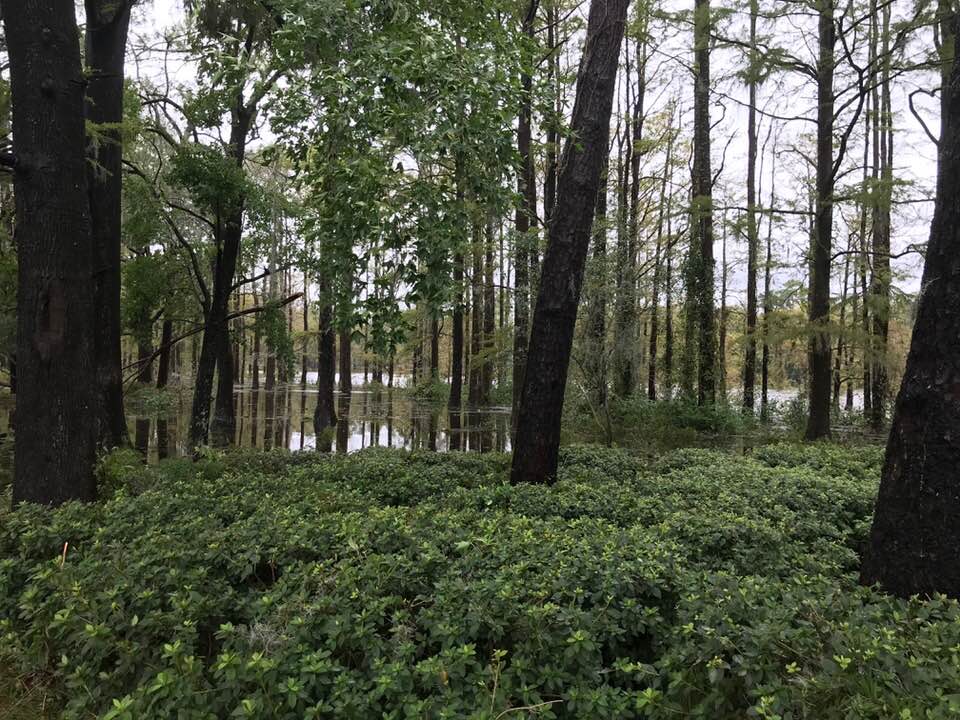
One of the primary draws of South Eastern North Carolina is the abundant nature. However, for homeowners in rapidly developing corridors like Hampstead (Pender County) and Leland (Brunswick County), nature often comes with a voracious appetite.
As subdivisions expand into what was previously timberland, the local white-tailed deer population is adapting by turning residential backyards into their personal buffets. For sellers trying to maintain curb appeal and investors aiming for low-maintenance rentals, choosing the wrong foliage can be an expensive mistake.
Here is the insider guide to landscaping that survives the local wildlife.
The "Salad Bar" Mistake
The most common error we see from clients relocating from urban areas is planting soft, lush foliage without checking the local "menu."
The Offenders: Hostas, Daylilies, and Indian Hawthorn are effectively deer candy. In rural-adjacent areas like Rocky Point or Bolivia, we have seen thousands of dollars of fresh landscaping stripped to the stem in a single night.
The Real Estate Impact: If you are listing a home, stripped shrubbery signals neglect to buyers. If you are an investor, replacing plants annually destroys your cash flow.
What Actually Survives (Native and Toxic)
To win this battle, you must select plants that deer find texturally unpleasant or toxic. Fortunately, many of these species are also drought-tolerant, making them perfect for our sandy soil.
Wax Myrtle: This is the gold standard for privacy screening in Onslow and Brunswick counties. It is a native evergreen that grows fast, handles salt spray, and deer generally ignore it because of the waxy leaf texture.
Lantana: A staple in coastal gardens from Surf City to Oak Island, Lantana offers brilliant color throughout the summer. It is highly deer-resistant because the leaves have a rough texture and a pungent scent when crushed.
Oleander: While you must be careful with pets (as it is toxic if ingested), deer instinctively avoid Oleander. It serves as an excellent, colorful boundary plant.
Herbs (Rosemary & Lavender): Deer rely heavily on their sense of smell. Highly aromatic plants like trailing rosemary—which thrives in our Zone 8a climate—act as a natural deterrent.
The Fence vs. HOA Reality
Many buyers assume the solution is simply to build a fence. However, this is where real estate due diligence is vital.
Master-Planned Communities: In many popular neighborhoods in Leland or Porter’s Neck, HOA covenants strictly regulate fence height and style. Often, only 4-foot black aluminum or vinyl is permitted.
The Jumping Reality: A healthy deer can clear a 4-foot fence from a standing start. If your HOA prohibits 6-foot privacy fences, your only line of defense is choosing the right plant species.
Your Next Step
A beautiful yard shouldn't require a monthly budget for replanting. Whether you are prepping a home for sale or planning your dream garden, you need to know which features add value and which ones become a liability.
At Aspyre Realty Group, we understand that a home is more than just the four walls; it is the land and lifestyle that comes with it. We are experts in listening and communicating people's wants into homes that work for them—helping you navigate HOA guidelines and environmental factors to find the perfect fit. Let’s connect to discuss which communities offer the balance of nature and control you are looking for.
Check out this article next