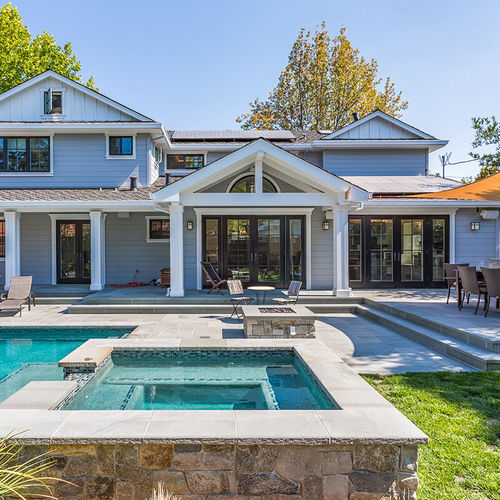




In the humid, bug-heavy climate of South Eastern North Carolina, outdoor living space is not a luxury—it is a requirement. However, for buyers and investors in Wilmington, Surf City, and Oak Island, the debate between a screened porch and a glass-enclosed sunroom is about more than just breeze vs. A/C. It is a strategic decision involving appraisal values, insurance premiums, and the "Yellow Reckoning" of spring.
Here is the insider reality of maximizing value in our coastal market.
The Appraisal Reality: Square Footage vs. Lifestyle Value
The most common question we get is, "Will this add square footage?"
The Sunroom: If the space is heated, cooled (tied to the main HVAC or a mini-split), and finished to the same quality as the main house, it generally counts as "livable square footage." This boosts your appraisal value significantly in high-dollar markets like Wrightsville Beach.
The Screened Porch: This does not count as heated square footage. However, do not underestimate its market value. In Brunswick County communities like St. James or Leland, a high-end screened porch with a cathedral ceiling is often more desirable to buyers than a sunroom because it offers the authentic "sea breeze" lifestyle without the "fishbowl" feeling of glass.
The "Yellow Reckoning" (Pollen Season)
The strategic difference often comes down to maintenance. In Pender and Onslow counties, the pine pollen season (typically March–April) coats everything in a thick yellow dust.
Myth: "Screened porches are low maintenance."
Reality: For two months a year, your screened porch furniture will be covered in pollen. Unless you install "Eze-Breeze" style vinyl windows (a popular hybrid solution in Hampstead), you will be cleaning cushions constantly. A sunroom protects your investment from this annual event.
The "Impervious Surface" Trap
This is the number one technical oversight for investors. In coastal zones, specifically those governed by CAMA (Coastal Area Management Act) regulations, your lot has a strict limit on "impervious surface" (often 25–30%).
The Trap: Many owners think a screened porch doesn't count because it has gaps. False. If it has a roof, it counts 100% against your impervious limit.
The Insider Nuance: However, CAMA often excludes screened porches from "Total Floor Area" calculations for density limits, whereas a sunroom (enclosed with glass) counts toward the total floor area. If your lot is maxed out on the allowable size of the structure, a screened porch might be your only legal option for expansion.
Wind and Insurance
In hurricane-prone areas like Topsail Island, glass is a liability. Converting a porch to a sunroom means installing impact-rated windows to meet code. This is expensive (often $1,000+ per window) but can lower insurance premiums compared to standard glass. Conversely, screened porches allow wind to pass through, reducing structural load, but the screens themselves are often the first casualty in a named storm.
Your Next Step
Deciding between screens and glass requires balancing your budget with complex zoning maps and lifestyle goals. You need a partner who can look at a survey and tell you if that "dream sunroom" will trigger a stormwater violation or if a screened porch is the smarter play for resale.
At Aspyre Realty Group, we don't just sell houses; we structure deals that fit your long-term vision. We are experts in listening and communicating people's wants into homes that work for them—whether that means soaking up the A/C in a sunroom or enjoying the salt air through the screens. Let’s connect to evaluate which option maximizes your property's potential.
Check out this article next