


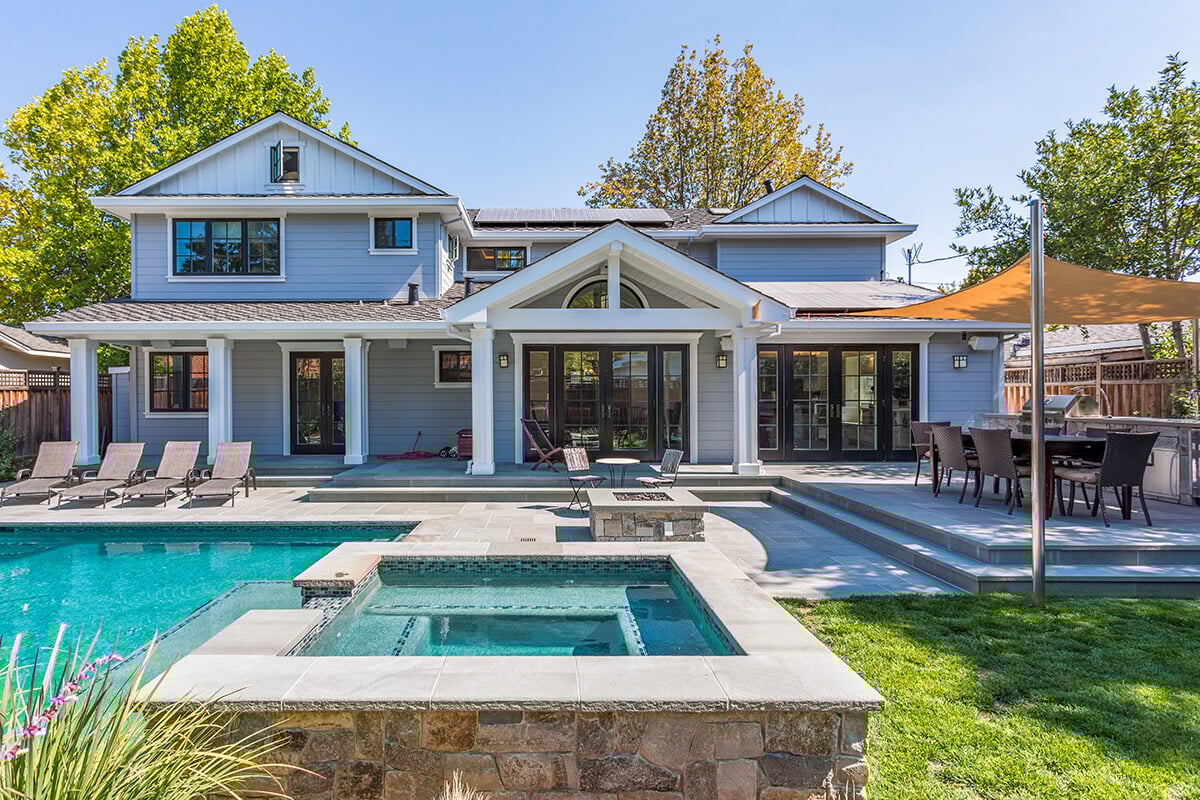
For many buyers in New Hanover and Brunswick counties, the dream of a coastal home includes a pool. But in 2026, installing one is no longer just about digging a hole and pouring concrete. It is a complex navigation of environmental zones, stormwater calculations, and strict setbacks.
Whether you are looking at a lot in Wrightsville Beach or an existing home in Hampstead, understanding the "invisible lines" on the property is just as important as the price tag. Here is the insider reality for the year ahead.
The "Impervious" Loophole You Need to Know
The biggest hurdle for coastal pool installation is the impervious surface limit. Most coastal municipalities (like Oak Island and Surf City) strictly limit the amount of your lot that can be covered by "built-upon area" to prevent runoff—often capping it around 30–40%.
The Myth: "I can’t fit a pool because I’m already at my lot coverage limit."
The Reality: In most NC jurisdictions (including Wilmington and Brunswick County), the water surface of the pool is considered pervious. State statute generally exempts the water area itself from built-upon calculations because rain falls into it.
The Catch: The concrete apron or pavers around the pool are impervious.
Strategic Advice: To squeeze a pool onto a tight lot in Carolina Beach, use a "minimalist" coping (edge) and surround the pool area with permeable pavers or turf rather than a massive concrete slab. This keeps you compliant with stormwater rules while still getting your pool.
Setbacks and the CAMA Line
In 2026, enforcement on setbacks is stricter than ever. You cannot simply squeeze a pool up to the fence line.
General Setbacks: Expect a mandatory 5–10 foot setback from side and rear property lines in most standard subdivisions (e.g., Pender County residential zones).
The CAMA Trap: If you are on the water (oceanfront, soundfront, or even a tidal creek), you are dealing with the Coastal Area Management Act (CAMA). There is a strict 30-foot buffer (often up to 75 feet) from the mean high water line where little to no permanent construction is allowed.
Note: While you might get a "CAMA Minor Permit" for a pool in some buffer zones, it often requires the pool to be "engineered" (anchored) to withstand flooding, significantly increasing costs.
The 2026 Cost Reality
The days of the $30,000 inground pool are gone. For 2026, specific coastal factors are driving prices:
- Base Costs: Expect a starting point of $65,000–$85,000 for a standard gunite or fiberglass pool in our region.
- The "Coastal Premium": High water tables in areas like Sneads Ferry or Figure Eight Island often require dewatering pumps during excavation, adding $2,000–$5,000 to the bill.
- Fencing: NC code requires a 4-foot barrier. In high-wind zones, you cannot just use cheap wood; you often need wind-rated aluminum or vinyl, which has seen material price hikes.
Your Next Step
Before you write an offer on a house assuming you can "just add a pool later," you need to verify the lot coverage and setbacks first. A standard MLS listing will not tell you if that backyard is actually buildable or if it is landlocked by impervious surface limits.
At Aspyre Realty Group, we are experts in listening and communicating your wants into homes that work for you. We can help you identify properties with the actual capacity for your dream pool, connecting you with local surveyors and pool builders who know the code inside and out.
Check out this article next