



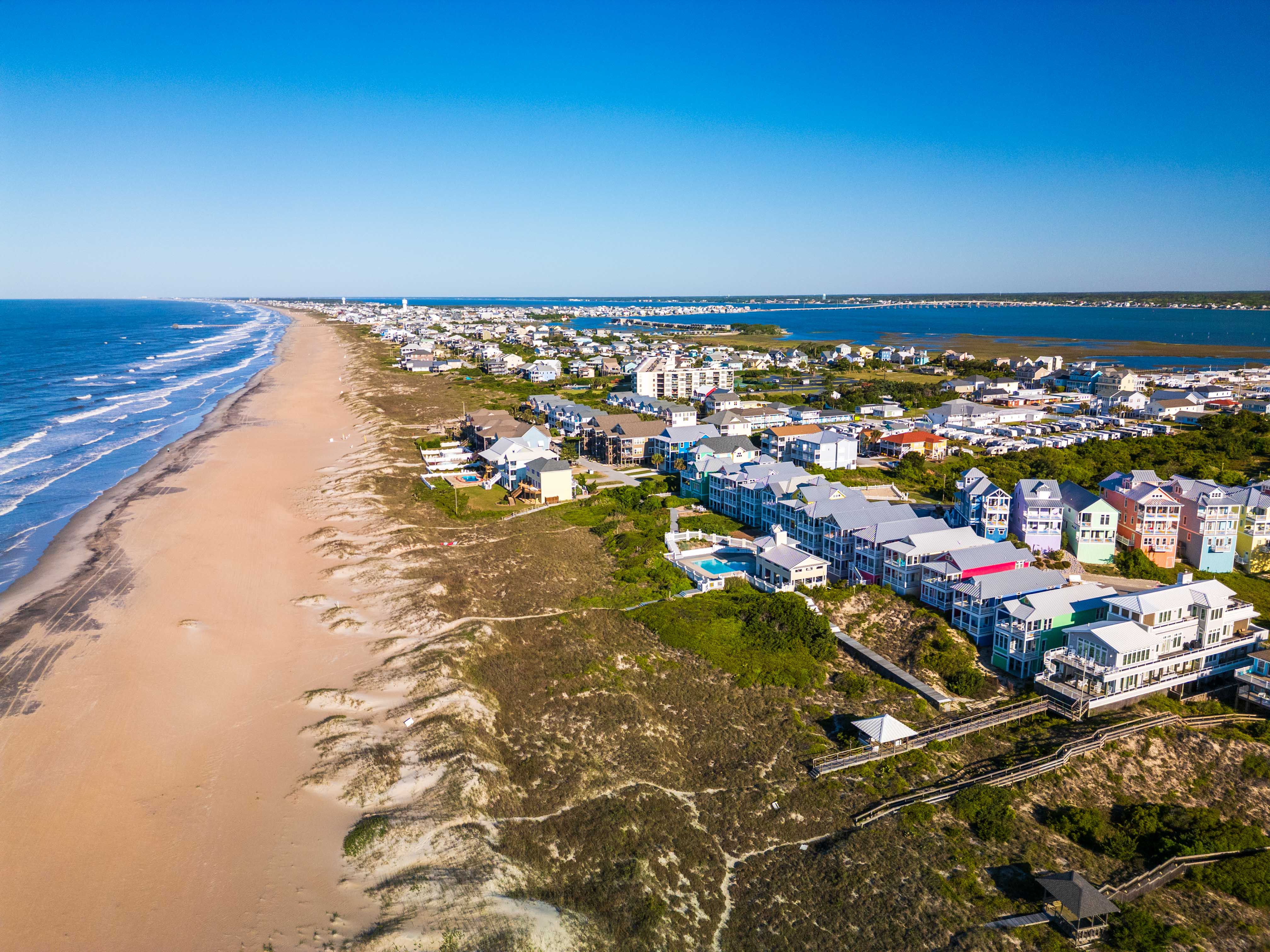
If you have driven through developments like Riverlights in Wilmington or sections of Brunswick Forest, you have likely noticed a distinct architectural shift. Wide front porches, sidewalks lined with trees, and garages tucked away in rear alleyways are becoming increasingly prominent. This is not just a stylistic choice; it is Neo-Traditional design (often called New Urbanism), and it is reshaping the real estate landscape in New Hanover and Brunswick counties.
For buyers and investors, understanding the mechanics of these front porch neighborhoods is critical to making a sound financial decision in our coastal market.
The Architecture of Connection
The defining feature of these homes is the de-emphasis of the automobile. By moving garages to the rear (accessed by alleyways), the front of the home is reclaimed for living space.
The Porch Culture: In the South, the porch is effectively an outdoor living room. In areas like Leland and Southport, this design encourages neighbor interaction and maximizes airflow—a historical necessity in our humid climate that has returned as a modern luxury.
Streetscapes: Without driveway cuts every fifty feet, on-street parking is safer, and sidewalks are uninterrupted, boosting the walkability score of the neighborhood.
Market Realities in New Hanover & Brunswick
While the aesthetic is charming, the financial and lifestyle implications are what truly matter to sellers and investors.
1. Density vs. Maintenance
Neo-traditional neighborhoods are typically higher density. The trade-off for a pristine, walkable community is often a smaller lot size. However, for many buyers moving to the coast, this is a strategic advantage. Smaller lots mean less yard maintenance, freeing up weekends for boating on the Intracoastal or visiting Wrightsville Beach.
2. Resale Value and Demand
Data suggests that homes in master-planned, neo-traditional communities in our region hold their value exceptionally well. The community feel is a tangible asset. Buyers are often willing to pay a premium per square foot for the lifestyle of walking to a community coffee shop or riverfront park, rather than just buying the house itself.
3. The Privacy Factor
This design style is not for everyone. If your priority is total seclusion or space to park a large boat trailer on your own property, a standard subdivision in Pender or Onslow might be a better fit than a neo-traditional hub in New Hanover.
Your Next Step
Navigating the differences between a standard subdivision and a neo-traditional community requires more than just browsing listings; it requires understanding how your daily life fits into the floor plan and the neighborhood dynamic.
Aspyre Realty Group does not just sell houses; we act as experts in listening and communicating your specific wants into homes that actually work for you. Whether you are looking for the social connectivity of a front-porch community or the privacy of a larger lot, we can guide you toward the investment that aligns with your goals.
Check out this article next